ByNabiya Naqvi
Sun , Nov 22 , 2026
Read Time: 5 Min
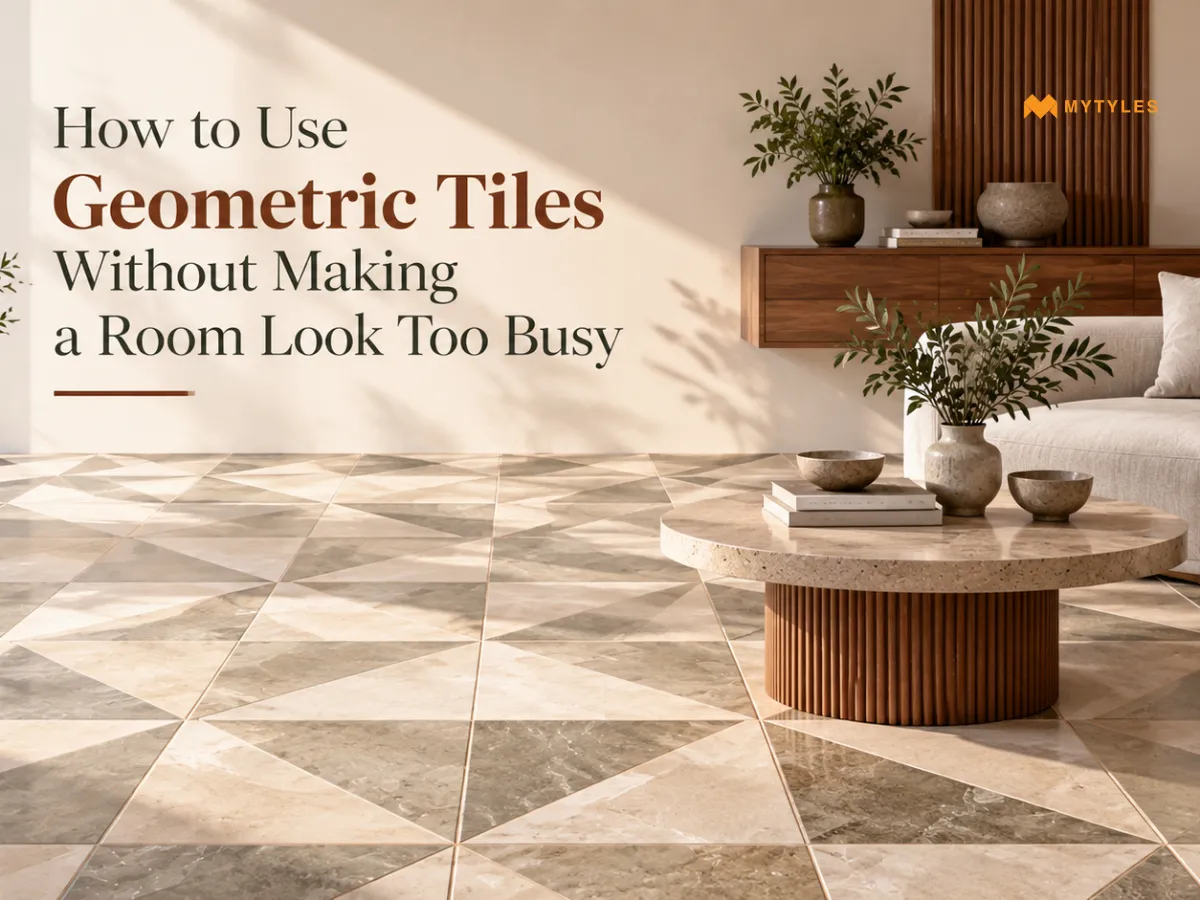
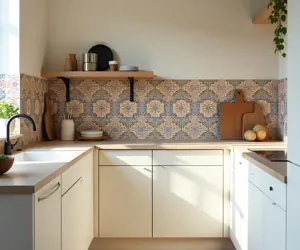
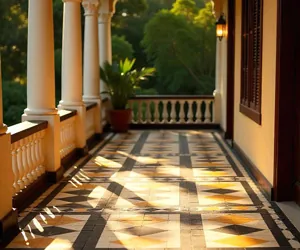
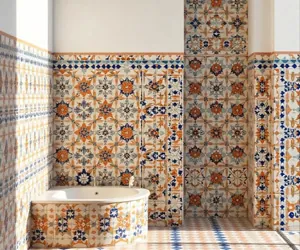
Geometric tiles are often thought to make a space look busy, but that assumption isn't always true. Too many patterns and contrasts can feel like chaos; however, the busiest designs can still create harmony and cohesion depending on placement, scale, contrast, and surrounding finishes. It’s important to proportionally balance the scale of patterns and the colour with the surrounding elements to create a timeless space that holds history, story and substance.
In this blog, you will understand why sometimes geometric patterns look busy and why sometimes they are not. Also, we'll explore what can make geometric tiles feel visually busy, how to use them in different rooms, and the common design mistakes worth considering before choosing a pattern.
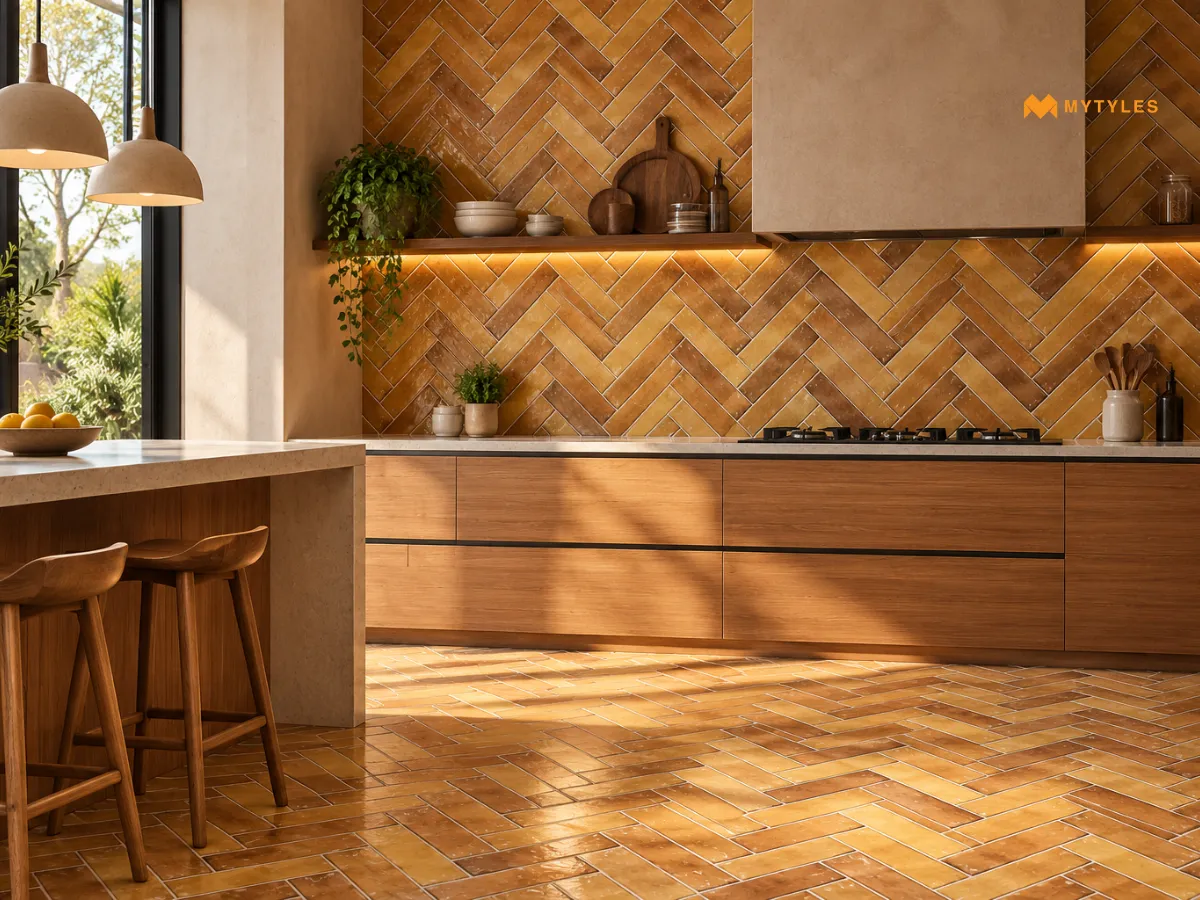
Geometric pattern tiles can enhance the space with their intricate design. But when a room has too many patterns and bold colour combinations, they start to compete for attention. That’s one reason the same tile pattern you loved in the showroom can feel overwhelming in a finished room. Here are the main factors to consider:
.webp)
Decorating a space with geometric tile designs is about finding the common ground. All elements of the space should be in harmony. Inviting interiors balance light, patterns, colours, and room layout to create a cohesive space.
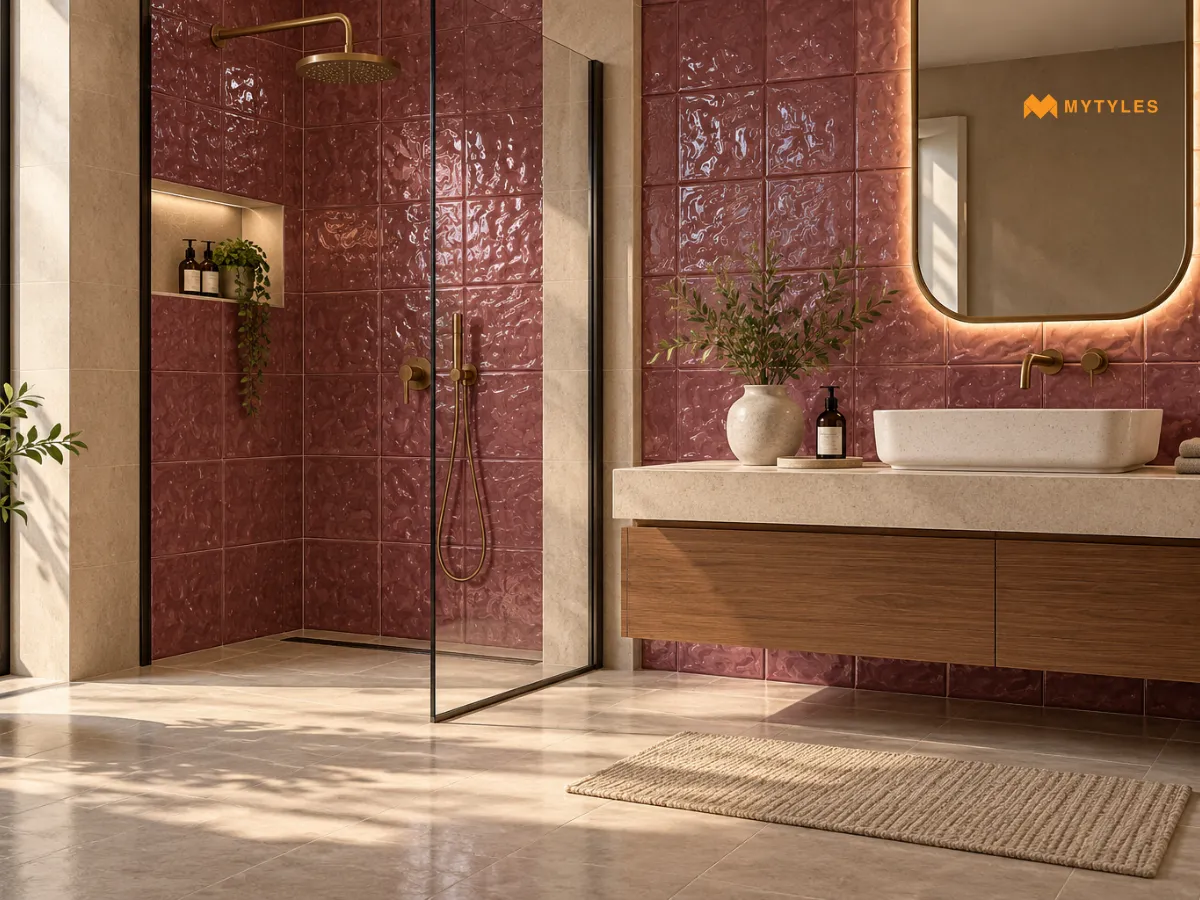
Tip: What to avoid: a near match that is not quite the same shade. A plain tile that is almost, but not exactly, the blue in a pink geometric tile pattern will look like a mistake rather than a deliberate pairing. Match it closely or choose a colour that is clearly different instead.
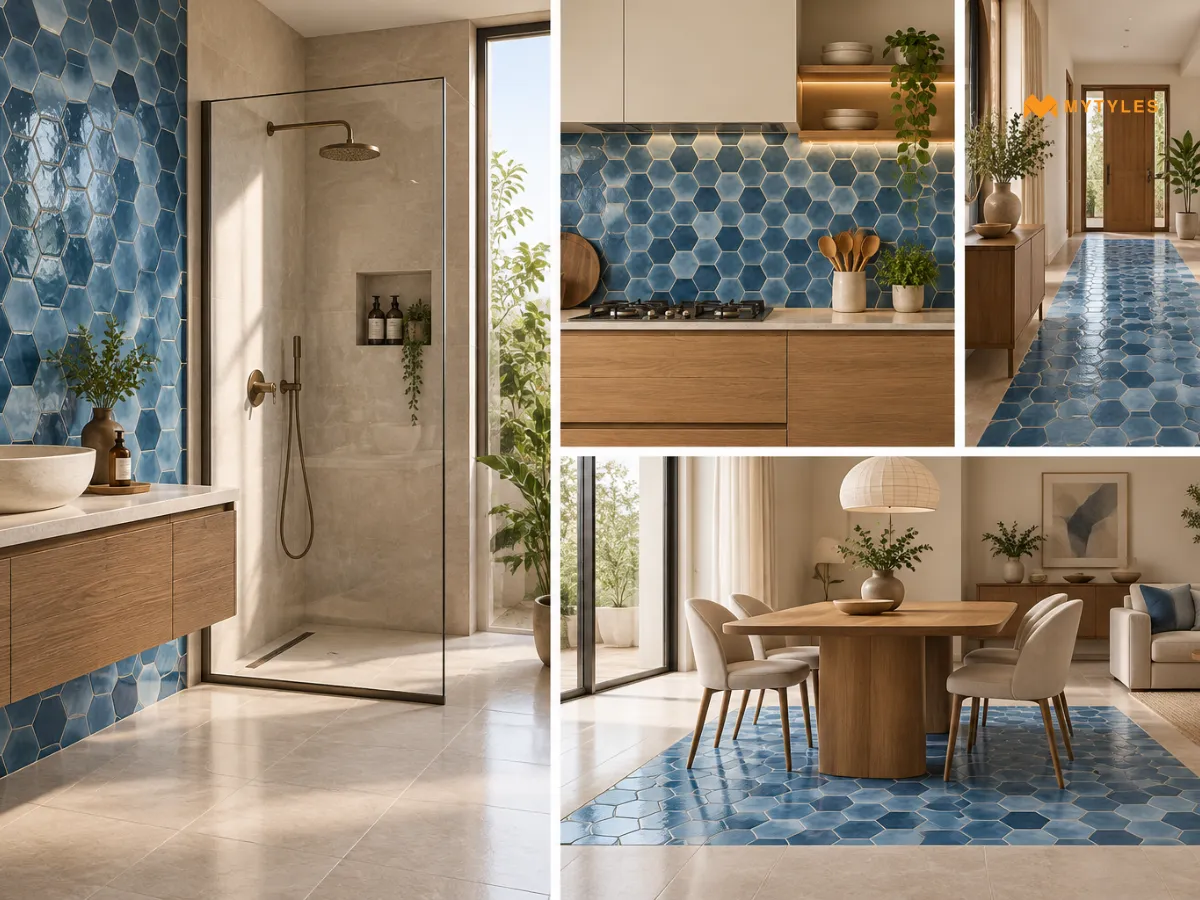
The same geometric pattern can feel very different from one room to another. The amount of visible surface, furniture, fixtures, lighting, and other finishes all change how the pattern is perceived. Here’s how to balance geometric tiles across different areas of the home.
Though a lot of ideas are discussed above, there are still some insights from the designers' perspective that will help you avoid the mistakes that can make the space look busy with geometric tiles.
When laying geometric tiles, make sure the tile's colours and patterns have a similar movement. A simple recipe for a room that looks less busy with geometric pattern tiles is to start with one surface and one design, rather than trying to solve the whole room at once. Choose the pattern you are drawn to, test it under the room’s actual lighting conditions, and you can keep everything else plain until that one surface has proved it works.
Once you have a surface and a scale in mind, browse the geometric tiles range at MyTyles and compare pattern size and contrast side by side before you order. You can also visit the MyTyles Experience Centre to see the exclusive collection of geometrical tiles in various designs, textures and colours.
Geometric tiles can be considered for floors and walls, but suitability depends on the individual product rather than the pattern alone. Geometric Victorian tiles, for example, may be available in different materials and formats. Check whether the selected product is specifically stated for the intended floor or wall application before deciding where to install it.
There is no single grout colour that works best with every geometric design. A grout colour close to the tile can make joints less visually prominent, while contrasting grout can emphasise individual geometric tile shapes. Consider the tile colours, pattern, joint appearance and overall interior, alongside any grout recommendations provided for the selected tile and installation.
Geometric tiles can be used in small rooms, but consider how the pattern appears across the available surface rather than judging one tile alone. Pink geometric tiles or other coloured designs may appear subtle or prominent depending on pattern scale, contrast, grout and surrounding finishes. Previewing several tiles together can provide a better sense of the finished composition.
Two geometric patterns can be used within the same interior, but their relationship needs consideration. For example, combining blue geometric tiles with another patterned surface introduces differences in shape, scale, colour and repetition. Comparing samples together can help determine whether the patterns feel visually connected or whether one should remain the more prominent element within the room.
Look at how much of the complete pattern will be visible once furniture, cabinetry and fixtures are in place. Larger motifs, including some windmill geometric tiles, may need several tiles to reveal the intended repeat. Preview multiple tiles across an area similar to the planned surface rather than deciding from a single tile or product image alone.
Installation requirements depend on the individual tile, layout and pattern rather than whether a tile is simply geometric or plain. With designs such as grey geometric tiles, alignment, pattern direction and visible cuts may require additional planning where motifs continue between tiles. Review the proposed layout and installation requirements with the installer before fixing the tiles.
Selected geometric tiles may be suitable for outdoor areas, but the geometric design itself does not determine exterior suitability. Colour choices such as blue geometric tiles or grey geometric tiles are primarily visual considerations. Check the individual product’s stated application and available performance information, along with the requirements of the intended outdoor installation, before making a selection.
Aditi Bardhan
₹148.00 / Sq.Ft
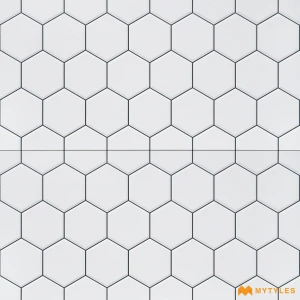
₹145.00 / Sq.Ft
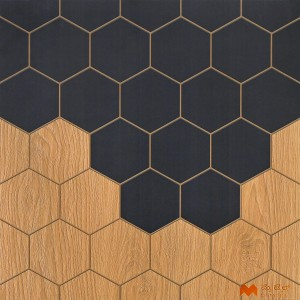
₹90.00 / Sq.Ft
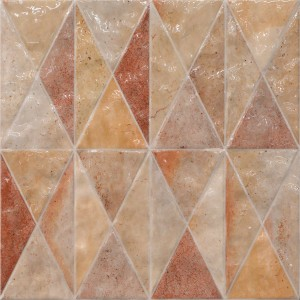
₹161.00 / Sq.Ft
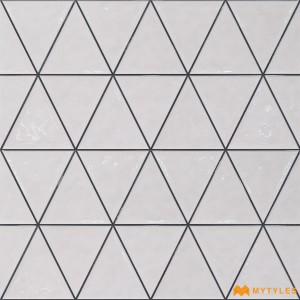
₹105.00 / Sq.Ft
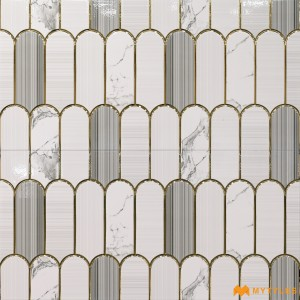
₹495.00 / Sq.Ft
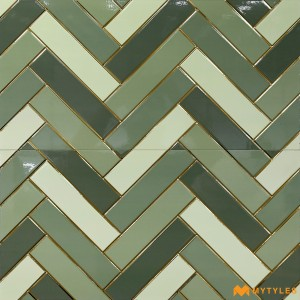
₹395.00 / Sq.Ft
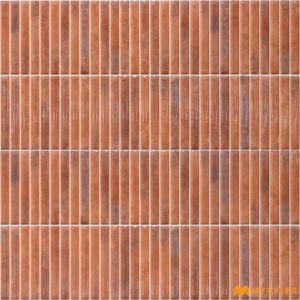
₹105.00 / Sq.Ft
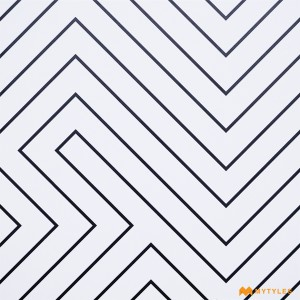
₹111.00 / Sq.Ft
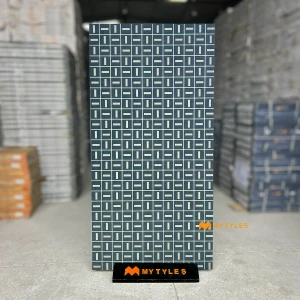
₹160.00 / Sq.Ft
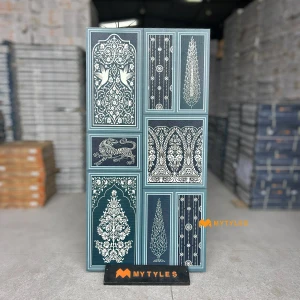
₹160.00 / Sq.Ft
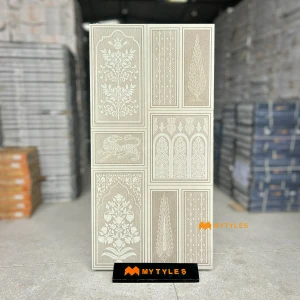
₹160.00 / Sq.Ft
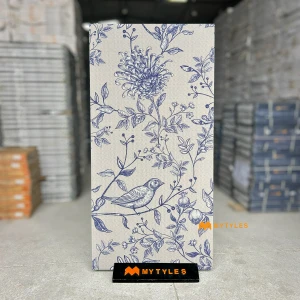
₹160.00 / Sq.Ft
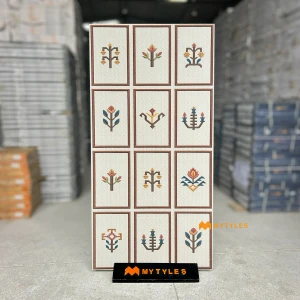
₹160.00 / Sq.Ft
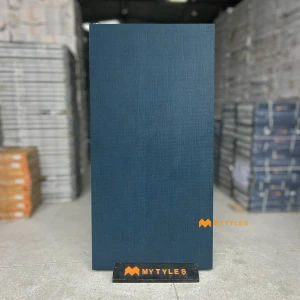
₹160.00 / Sq.Ft