.svg)


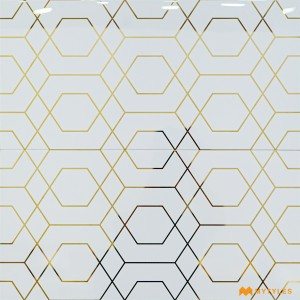

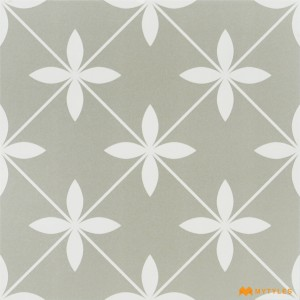
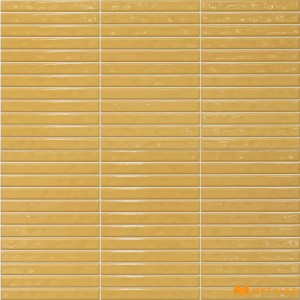
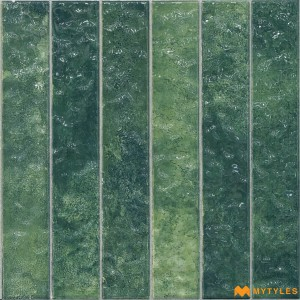
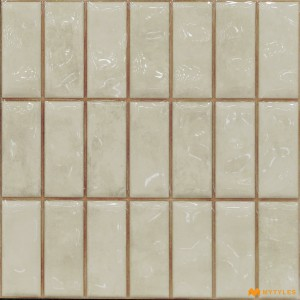
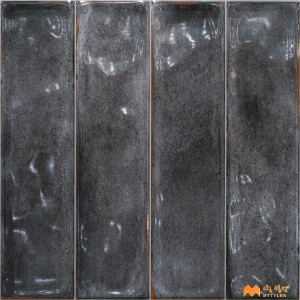
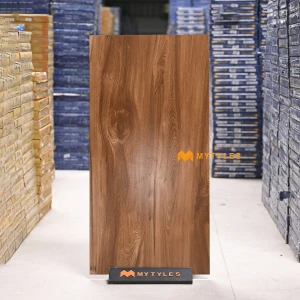
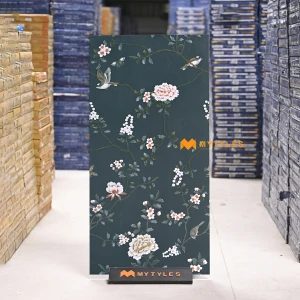
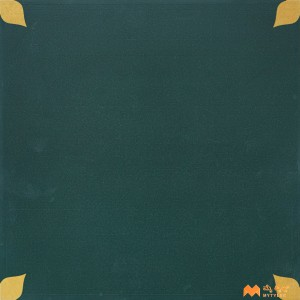
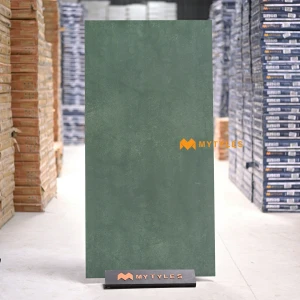
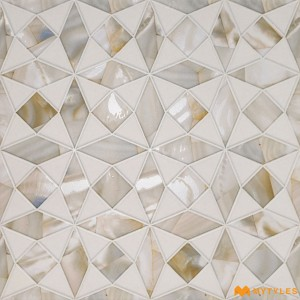
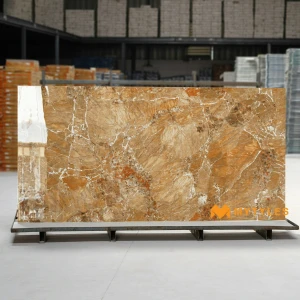
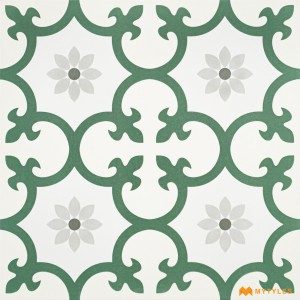
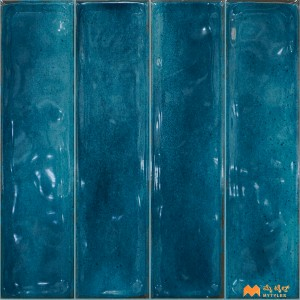
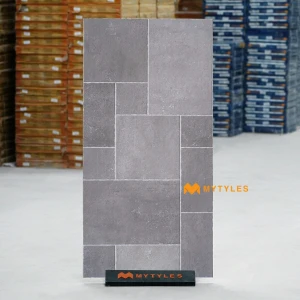
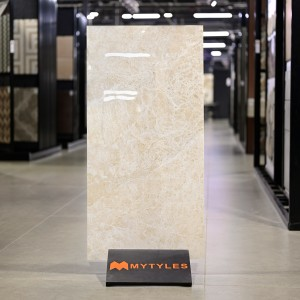
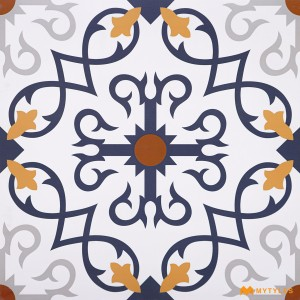
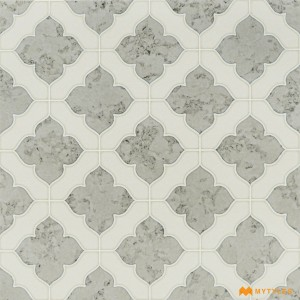
Buy Bathroom Tiles in India at MyTyles
Bathroom tiles need to work across very different surfaces: a floor that gets wet, walls exposed to steam and splashes, a shower zone that depends on drainage, and vanity areas that need regular cleaning. The right selection therefore depends on where the tile will be installed, not only on how the pattern looks. Compare floor or wall suitability, material, finish, surface texture, tile size, colour and current price before shortlisting a product. This category includes ceramic, porcelain and vitrified options across multiple bathroom tile designs, from simple neutral surfaces to marble-look, pattern and textured styles. For floors, check the product’s slip-resistance information and intended wet-area use. For walls, focus on finish, maintenance, and the visual scale of the design.
Choose Tiles for Bathroom Floors, Walls and Wet Areas
A bathroom works better when floor and wall requirements are treated separately. The dedicated bathroom floor tiles range should be used for products confirmed for floor application, while bathroom wall tiles can focus more on design, reflection, ease of wiping, and feature-wall use. A tile that is suitable for a wall should not automatically be assumed suitable for a wet floor.
For bathroom floors, look at the slip-resistance rating or other product-specific grip information, surface texture, drainage layout and ease of cleaning. Matt or textured surfaces may offer more grip than highly polished surfaces, but a matt finish does not automatically mean anti-skid. When comparing anti-skid bathroom tiles, check the product rating and intended use.
Shower tiles need additional planning because water stays concentrated in a smaller zone. Smaller formats, or ones planned around the drain, generally make slope formation easier to achieve, and the surface and joints should be suited to frequent water exposure. Tiles and grout are not a waterproofing system by themselves; the prepared base, waterproofing treatment, slope, drainage, adhesive, joints, and grout all contribute to the finished wet area.
Bathroom Tiles Design: Build the Look by Zone
Neutral wall bathroom tile designs can create a calm base in a larger space, while a shower wall, vanity backsplash, or niche can carry a stronger pattern, texture, or colour. This also makes it easier to combine bathroom tiles without repeating the same visual look on every surface.
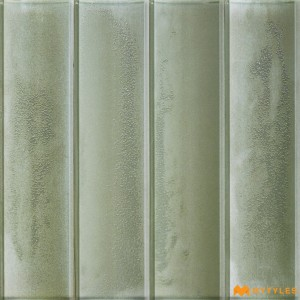
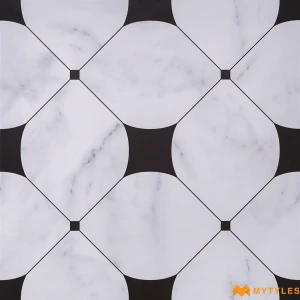
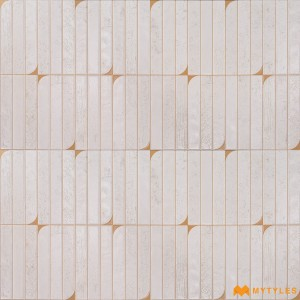
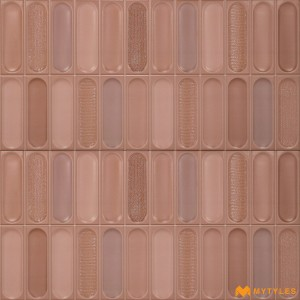
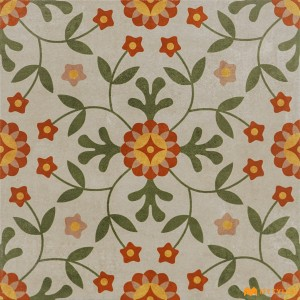
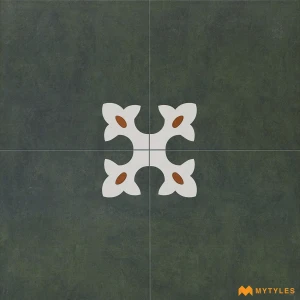
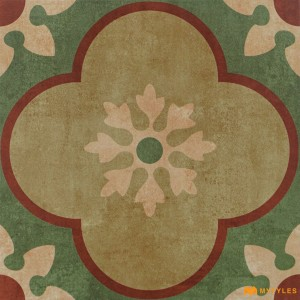
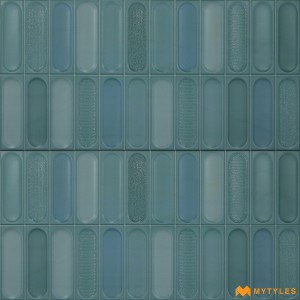
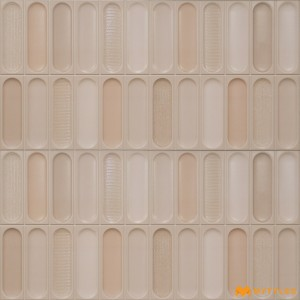
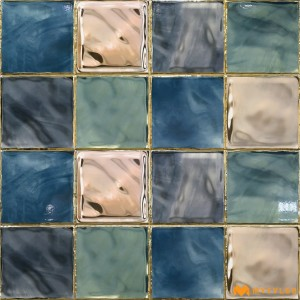
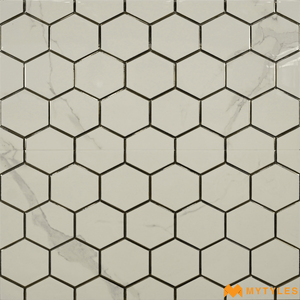
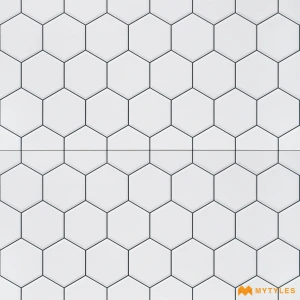
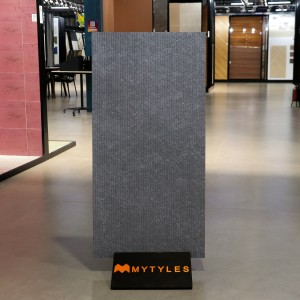
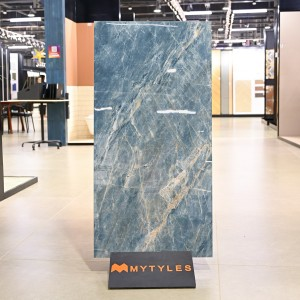
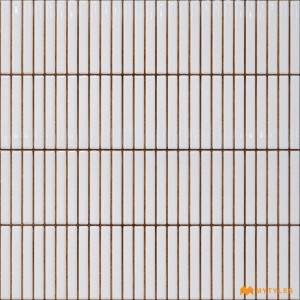
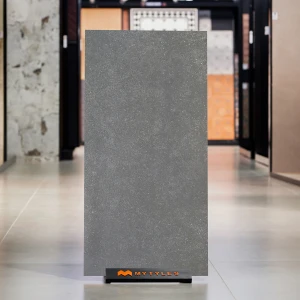
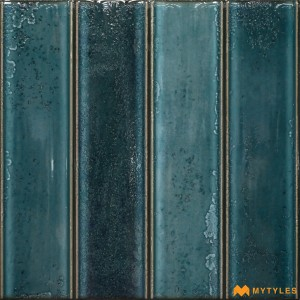
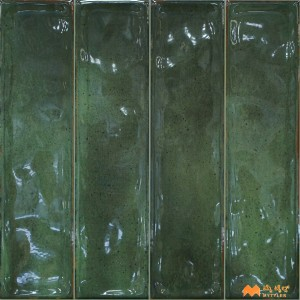
A modern bathroom tile design may use large marble-look panels, soft stone textures, grey or beige palettes, and restrained feature details. Classic bathroom tiles can include subway-style layouts, traditional patterns or familiar white-and-colour combinations. Mosaic, Moroccan, marble-look, textured and 3D bathroom tiles can be used as focused accents where the relevant product is suitable for the chosen application.
Bathroom Tile Materials
Material changes the tile body and can influence absorption, weight, strength and application suitability. Ceramic bathroom tiles are used on walls and selected floors where the individual product is rated for that use. A wall-grade ceramic product should not be installed on a floor as it may not offer the durability or surface grip required for everyday use.
Porcelain bathroom tiles have a dense body and are commonly considered for floors and walls. Thickness, surface characteristics, and exact composition tend to vary by product, which makes it worth checking individual specifications before choosing porcelain tiles for a bathroom.
Vitrified bathroom tiles are also dense and have low water absorption, but the tile should be used only when the individual product specification confirms it. Neither material name replaces the need to check floor rating, surface grip, and wet-area suitability.
Finishes for Bathroom Walls and Floors
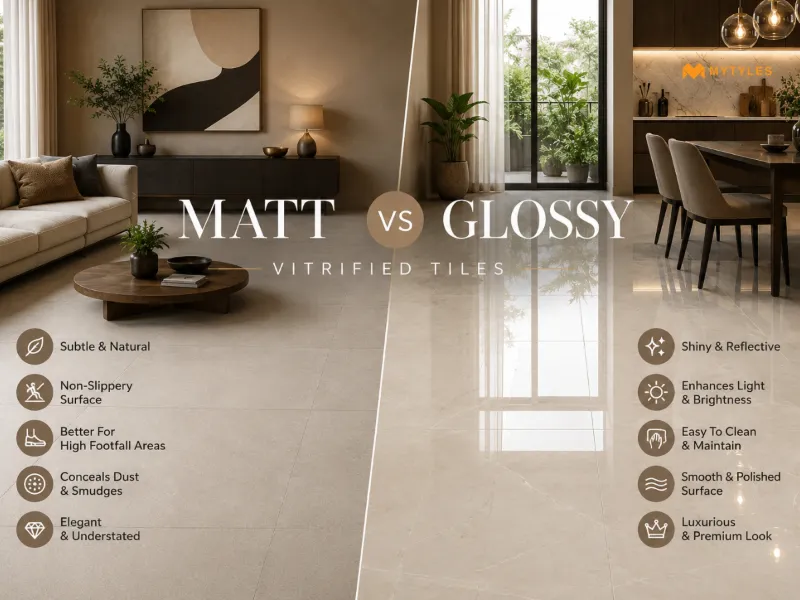
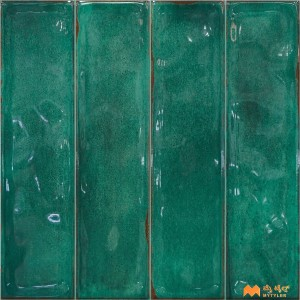
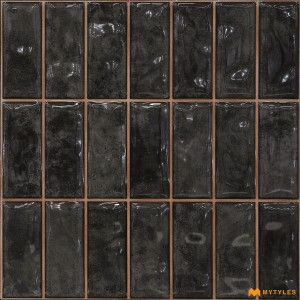
Finish affects reflection, surface feel, and cleaning behaviour. Matt bathroom tiles have a low-sheen surface that may feel smooth or slightly textured, depending on the product. Glossy bathroom tiles have a smoother surface feel with a more reflective appearance. Sugar, carving, satin, lappato and other finishes can have different levels of texture and sheen based on the individual tile.
Do not select a floor finish by appearance alone. Check the tile’s recommended application, slip-resistance information, surface characteristics and cleaning requirements, particularly for areas regularly exposed to water.
Bathroom Colours and Combinations
Colour affects both the mood of the room and how visible water marks, grout lines and everyday residue appear. White, ivory, cream, and beige may make a small bathroom appear more open, depending on the finish and lighting. Grey can be paired with stone- or cement-inspired surfaces, while black may be used across a selected wall, niche, or floor area for contrast.
For a bathroom tile combination, consider the floor and wall colours together with the vanity, sanitaryware and fixtures. For example, lighter wall tiles can be paired with a darker floor, while patterned or coloured tiles can be limited to a niche or selected wall area. Before finalising the combination, compare the tile samples in the actual bathroom lighting.
Bathroom Tile Sizes
Tile size should match the room dimensions, number of cuts, drainage points, and the condition of the base. Smaller formats (200x200 mm) can be used around shower drains and corners. Larger tiles (800x3000 mm) create fewer grout joints and a more continuous appearance, but they need a sufficiently flat base, suitable adhesive coverage, careful handling, joint planning and lippage control. Use the size table below as a reference to the current category data and confirm the exact product dimensions before ordering.
Size in mm | Size in inches | Size in feet |
|---|---|---|
200x200 mm | 8x8 inches | 0.67x0.67 feet |
300x300 mm | 12x12 inches | 1x1 feet |
400x400 mm | 16x16 inches | 1.33x1.33 feet |
300x600 mm | 12x24 inches | 1x2 feet |
600x600 mm | 24x24 inches | 2x2 feet |
300x1200 mm | 12x48 inches | 1x4 feet |
600x1200 mm | 24x48 inches | 2x4 feet |
800x1600 mm | 30x66 inches | 2.5x5.5 feet |
1200x1800 mm | 48x72 inches | 4x6 feet |
800x3000 mm | 30x120 inches | 2.5x10 feet |
Note: Sizes shown are reference dimensions. Actual product dimensions can vary slightly. Check the product pages before ordering. You can also use the MyTyles tile calculator for estimating the number of tiles required.
Bathroom Tiles Price Guide
Bathroom tile prices vary with material, size, finish, and design. Listed prices in the table range from ₹48 per sq ft to ₹17,360 per set across ceramic, porcelain, and vitrified materials.
Tile Type | Indicative Price | Selected Set Pricing |
|---|---|---|
Vitrified Bathroom Tile | From ₹63 per sq ft | Up to ₹17,360 per set |
Porcelain Bathroom Tile | ₹48 - ₹717 per sq ft | - |
Ceramic Bathroom Tile | ₹65 - ₹830 per sq ft | - |
Note: Prices are indicative; confirm the current price and unit on the individual product page.
How to Choose the Right Bathroom Tiles
Start with the application. Confirm whether the product is suitable for the floor, wall or both. For a wet floor, prioritise slip-resistance information, surface texture and drainage. For walls, compare finish, ease of cleaning and how the design scale fits the available wall area. In shower zones, plan the tile together with waterproofing, slope, drain location, grout joints and the installation system.
Next, match size and design to the layout. Large formats can reduce grout lines, but compact bathrooms may still need more cuts around fixtures and corners. Compare samples in the room’s actual light where possible, and review how the wall and floor colours work together. Use the MyTyles tile calculator for an initial quantity estimate, then include extra tiles for cutting and future repair based on the installer’s advice.
Explore Bathroom Tiles At MyTyles
Compare bathroom tiles by material, colour, design, finish, size, application, and price. Review the product specifications carefully to confirm whether a tile is intended for floors, walls, wet areas, or selected shower zones. Current prices, dimensions, availability, and application details can be checked on the individual product pages. You can also visit the MyTyles experience centre to view selected tiles in person and compare how different colours, textures, and finishes appear under actual lighting. Once you have shortlisted a product, use the tile calculator to estimate the required quantity.