5 products
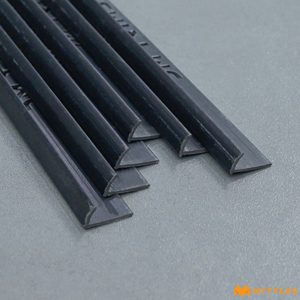
Black Tile Beading
8 Feet | Matt
₹115/Piece
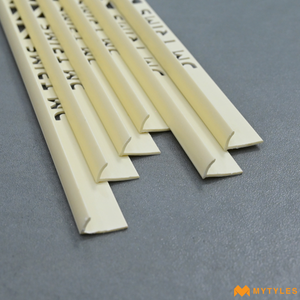
Ivory Tile Beading
8 Feet | Matt
₹115/Piece
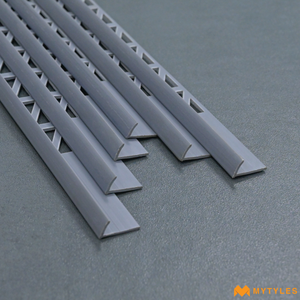
Grey Tile Beading
8 Feet | Matt
₹115/Piece
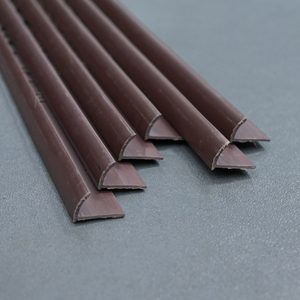
Brown Tile Beading
8 Feet | Matt
₹115/Piece
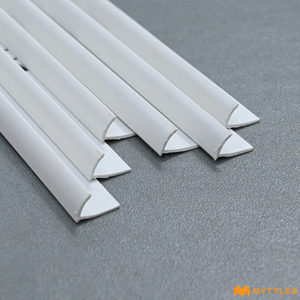
White Tile Beading
8 Feet | Matt
₹115/Piece


Clean edges, smooth corners, and a well-defined frame can add to even the simplest tile design. That is where tile beading steps in. At MyTyles, we see it as a design tool that frames, defines, and boosts tiles. Edges that might otherwise go unnoticed become subtle highlights, adding precision to backsplashes, splendor to ledges, and definition to corners.
The right beading not only completes a look but also protects your investment while amplifying the style you have carefully curated. With a wide range of materials, shapes, and finishes available, this can help you create smooth transitions, bold outlines, or simply a seamless visual flow. Explore how this often-overlooked addition can bring both polish and purpose to your interiors!
It might seem like a minor detail, but it plays a major role in both the appearance and durability of your tiled spaces. It frames the edges, strengthens corners, and strengthens the overall finish with a clean, professional look. More than just a protective trim, it helps unify the design while preventing common wear and tear. With a wide selection of profiles and materials, it also provides creative styling opportunities. The impact is subtle but transformative. Let’s look at key reasons why it deserves a place in your next tiling project.
Tile edges are vulnerable to impact, especially at corners and borders. Tile corner bead acts as a shield, absorbing pressure and preventing chips, cracks, and long-term wear. This feature is especially important in high-traffic areas, stair risers, or exposed ledges. By covering raw tile cuts, beading extends the life of your tiles while maintaining a flawless finish that stays intact even with daily use.
Tile edge beading brings visual clarity to tiled spaces. It defines edges, corners, and transitions with a polished look that grout lines alone can’t achieve. A well-chosen trim can either seamlessly blend with the tiles for a minimalist appearance or provide a beautiful contrast that frames the layout. No matter the design style, modern, rustic, or luxurious, beading adds structure and style to the final look.
Tile edge trim helps bridge the gap in spaces where tile meets other materials like wood, carpet, or painted walls. It creates a smooth, professional transition that prevents uneven finishes or visible cuts. Profiles like T-shape and ramp trims are especially effective for floor-level transitions, making sure safety while keeping the design cohesive. These small touches make a space look deliberate and well-planned.
Beading of tiles isn't just about utility; it is a design opportunity. With a wide range of materials, colors, and profiles available, it lets you personalise your space down to the edges. Think matte black trims framing subway tiles or brass accents adding warmth to marble. Even unconventional touches like using bold-colored PVC trims can make the edges part of your design story.
In moisture-prone areas like kitchens, bathrooms, or balconies, this plays a subtle but crucial role. By sealing off exposed edges and corners, it reduces the risk of water seeping behind tiles. This prevents mold, stains, and structural damage. This is particularly useful around shower niches, sinks, and countertop edges where splashes are frequent. It is a smart way to protect your walls while keeping them stylish.
Knowing where to place these can make a big difference in the final look and durability of your project. Corner reinforcement, surface transitions, backsplash edges, stair fronts, and many more uses can benefit from this finishing touch. Each area brings its design challenge, and the right trim helps solve it while amplifying the visual appeal. Let’s walk through the most common and impactful spaces where beadings can transform basic tiling into a complete, refined surface.
When two tiled walls meet, especially at inside corners, finishing with tile trim ensures a smooth, sealed junction. It eliminates the need for excessive grout and prevents unsightly cracks over time. The result is a clean edge that looks intentional, not patched together. This application is ideal for bathroom and kitchen walls, giving the space a tidy, finished appearance while protecting the joint from wear and moisture build-up.
Transitioning from tiled walls to floors can be tricky without the right edge detailing. Using metal tile as trim corners in these zones helps protect both vertical and horizontal tiles while giving the base a neat, structured look. These trims also act as a visual break, offering depth and dimension to the tiled surface. For wet areas like showers, this approach adds a functional layer that resists impact, water damage, and cleaning-related wear.
Sharp tile edges are prone to chipping, especially at corners. Tile corner bead profiles are designed to wrap around these angles, providing added strength and safety. The exterior corner of a kitchen wall or the edge of a column can be detailed with this trim, which adds definition and durability. The smooth curve or crisp edge of the bead turns an otherwise vulnerable point into a clean, intentional part of the overall design.
For tiled counters and steps, exposed edges often catch wear first. Aluminium beading is an excellent solution here, offering a sleek finish with long-lasting durability. It guards the edges against chipping and adds to the geometry of stair treads or counters. With various finishes, like matte silver and brushed tones, it blends effortlessly with different tile styles, creating a strong visual outline while protecting your surfaces from constant foot or object traffic.
Water-prone areas like shower niches demand extra attention at the edges. Bathroom tile beading provides both a decorative outline and essential sealing against moisture seepage. These trims prevent water from settling into tile joints and give recessed spaces a defined frame. You can also mix materials like brushed steel or PVC for contrast or harmony with surrounding tiles. This allows both function and aesthetics to work hand in hand in your bathroom design.
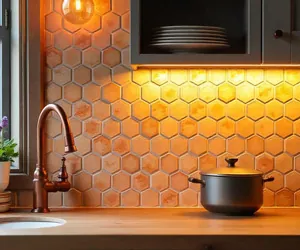
Backsplashes and counters often end mid-wall or meet surfaces like paint or plaster. In such areas, golden beading for tiles can add a premium finish while covering sharp tile cuts. The reflective accent frames the backsplash with beauty and improves even the most minimal tile layout. Apart from visual appeal, this type of beading protects against water splashes and grease buildup, especially behind sinks or cooking zones where tiles meet open space.
Skirting tiles often require a clean finish at their ends, and PVC beading for tiles provides an excellent solution for achieving this. Lightweight and cost-effective, these trims neatly seal the top edge of skirting tiles without drawing too much attention. Available in various shades, they help maintain visual consistency across large areas. For DIY or residential projects, PVC trims offer an easy-to-install solution that balances design with practicality at floor level.
Tile beadings are available in different sizes to match varying tile thicknesses and edge requirements. Selecting the right fit is essential for a flush finish that looks intentional and performs well over time. MyTyles offers a diverse range of sizes suited for skirting trims, corner beads, countertop edges, and more. To help simplify your decision, we’ve put together a size guide that outlines our most commonly available dimensions. Refer to the table below to find the best match for your tile type and layout.
Tile Beading in Feet | Tile Beading in Inches | Tile Beading in MM |
8 | 96 | 2400 |
Note: These sizes are standard and can change as per the design of the tile or your custom preferences. For more specific sizes, visit the respective product pages or contact MyTyles’ customer care.
Not all beads are created equal, as different profiles serve different purposes. Some offer sleek, modern lines, while others deliver soft curves or structural support. The shape of the trim you choose can subtly shift the look and feel of your space. Understanding these profiles makes it easier to select the right one for every surface, from walls and stairs to skirtings and ledges. Let’s take a closer look at the key types of corner bead profiles and where they shine.
L-shaped beading is one of the most versatile options for tiled edges. With its clean right-angle profile, it’s ideal for finishing exposed corners on walls, countertops, and step faces. It offers a minimalist, geometric finish while covering sharp tile cuts effectively. This profile also reinforces the edge against damage in high-contact areas. For modern interiors that prioritise clean lines, L-shaped trims are smart, subtle design upgrades!
Where two tiles meet at the same level, especially across different surfaces, tile trim in a T-profile creates a seamless bridge. It is most commonly used in floor transitions, acting as a neat divider that also prevents edge chipping. The top of the T stays visible, giving a sleek border, while the stem fits snugly between tiles. It is a small detail that makes multi-material layouts look clean and connected.
A tile corner bead with a rounded or quarter-round profile softens sharp edges and introduces a gentle curve to corners. It is ideal for shower walls, bathtub surrounds, or spaces designed with safety in mind. Besides adding a tactile, child-friendly surface, it brings a classic charm that contrasts well with square-edged tiles. This profile is perfect for creating smooth visual flow in both traditional and contemporary designs!
Box trims or block-style profiles deliver maximum structure to exposed tile edges. Often crafted from metal beading, these profiles wrap around the tile for robust protection, making them ideal for stair fronts, wall edges, and commercial settings. Their square form offers sharp definition and can double as a subtle frame. Choose this when you need durable trim that still keeps your edges visually sharp and clean!
Skirting beadings provide a polished finish where floor tiles meet the wall or other surfaces. Profiles like gold beading for tiles can add a hint of luxury, while more neutral tones create quiet visual transitions. These trims protect the base of walls from mop marks, water splashes, and everyday scuffs. They are especially effective in bathrooms, kitchens, and hallways. They are ideal for those looking to blend protection with style in floor-level detailing. Explore trims that bring structure and personality to every edge!
This isn’t one-size-fits-all—its material makes a big difference. Whether you're aiming for durability, visual harmony, or affordability, there’s a trim type that suits your needs. Aluminium, stainless steel, PVC, brass, and ceramic options all serve specific purposes, depending on the space and tile style. Understanding what each material offers helps ensure your project stays protected and looks polished. Let’s break down the most popular beading materials and where they work best.
Aluminium beading is a top choice for sleek, modern spaces. It is lightweight, rust-resistant, and easy to work with. This makes it perfect for bathrooms, kitchens, and wall trims. Available in multiple finishes, aluminium tile trim offers clean lines without overwhelming the design. This trim is ideal when you need durability and a minimal profile that pairs effortlessly with ceramic, stone, or porcelain tiles in both residential and commercial settings!
Known for its strength and high-end aesthetic, stainless steel beading for tiles adds a crisp, polished edge that resists corrosion and impact. Its chic finish complements contemporary interiors and industrial-style spaces, especially in wet zones like showers or kitchen backsplashes. This material is also easy to clean, making it both practical and visually sharp. Choose stainless steel when you need longevity and a trim that maintains its beauty over time!
Though not a metal, PVC is a go-to solution for budget-conscious projects. It is lightweight and simple to cut, and it comes in a wide range of colors for design flexibility. While not ideal for heavy-duty areas, it works well in dry zones or as a temporary finish. PVC trims, when carefully installed, offer a clean edge that safeguards tile corners at a significantly lower cost compared to metal beading alternatives!
Brass beading for tiles delivers timeless charm with its warm, golden hue. It is often used in upscale homes, boutiques, or feature areas where detail matters. Apart from its decorative value, brass offers solid strength and natural resistance to wear. Over time, it develops a patina that improves its vintage appeal. It is the perfect choice when you're aiming for richness, contrast, or a luxurious finishing touch!
For a seamless, tile-matched finish, ceramic tile beading is the ideal option. These trims are often part of tile collections, resulting in a perfect color and texture match. They are ideal for wall edges, backsplashes, and decorative borders that require visual continuity. Although ceramic beading is more delicate than metal or brass, it provides a classic, uninterrupted finish. Explore material-matched options to complete your design with a cohesive, professional look!
Beading of tiles is available in a wide price range, depending on the material, size, and finish. An affordable PVC trim, a high-quality brass or stainless steel alternative, or something in between, there is a beading solution out there for every project and every style. At MyTyles, we offer transparent pricing across all types to help you plan confidently. Check the table below for a detailed look at the current prices of our most popular beadings.
Tile Beading Types | Price Range (per piece) |
Beading | ₹100 |
Note: These prices are only estimates and may be changed at any time. Please visit the actual product pages on our website for exact and current prices, or feel free to reach out to the MyTyles customer service team directly for personalised guidance.
A well-chosen beading can elevate your space, while the wrong one might disrupt the entire finish. From tile thickness to placement and material, several factors go into finding the perfect trim. Whether you're designing a minimalist bathroom or a bold kitchen backsplash, understanding what to look for is crucial. The tips below offer a simple guide to help you make informed decisions when selecting tile trims for any space.
Here are a few of the best-selling tile beads for your home at Mytyles:
Product name | Price |
| Tiles Corner Beading Ivory (8 Feet Length, PVC, Matt) | ₹100/Piece |
| Tiles Corner Beading Black (8 Feet Length, PVC, Matt) | ₹100/Piece |
| Tiles Corner Beading WHITE (8 Feet Length, PVC, Matt) | ₹100/Piece |
| Tiles Corner Beading Grey (8 Feet Length, PVC, Matt) | ₹100/Piece |
| Tiles Corner Beading Brown (8 Feet Length, PVC, Matt) | ₹100/Piece |


Tile Calculator
Find out exactly how many tiles you need—Effortlessly!
Latest Blogs By MyTyles