ByBiren Agrawalla
Thu , Aug 06 , 2026
Read Time: 5 Min
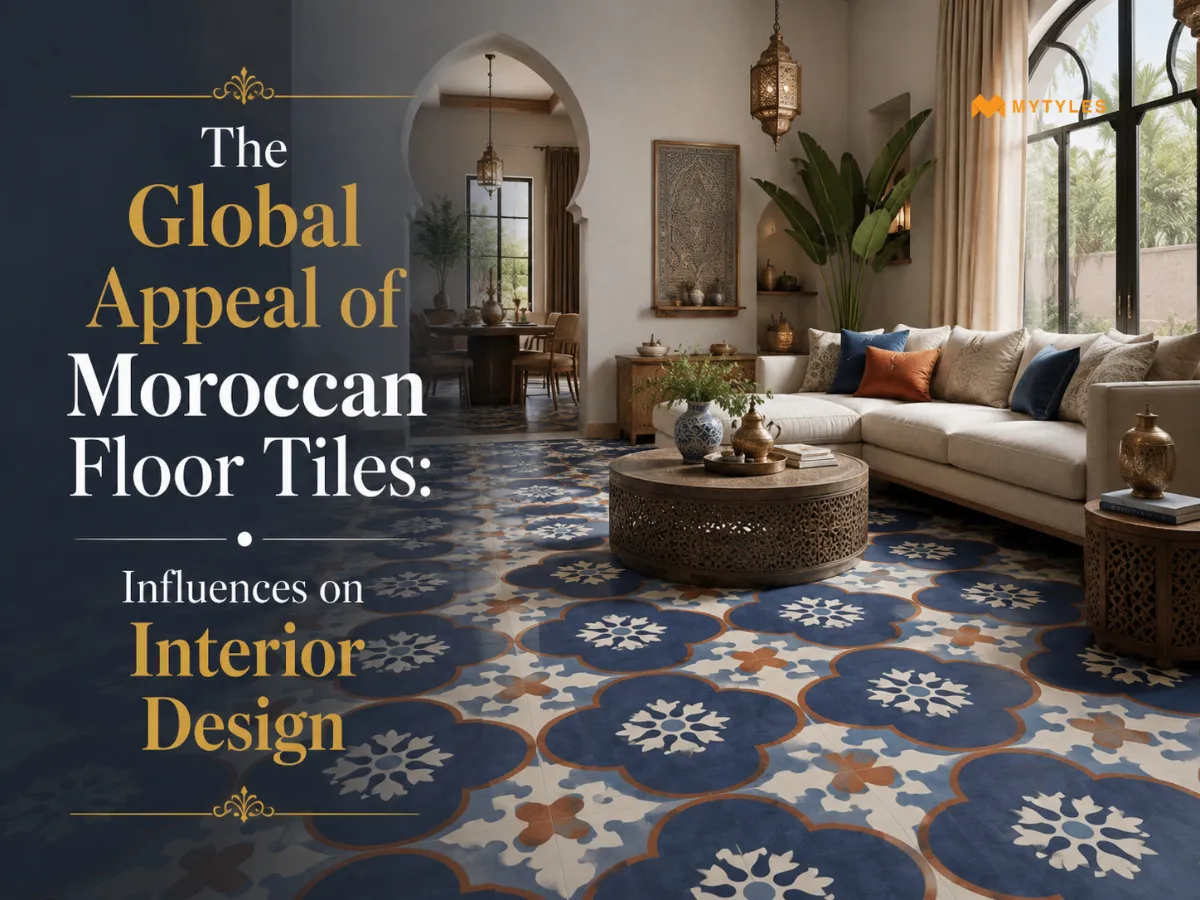
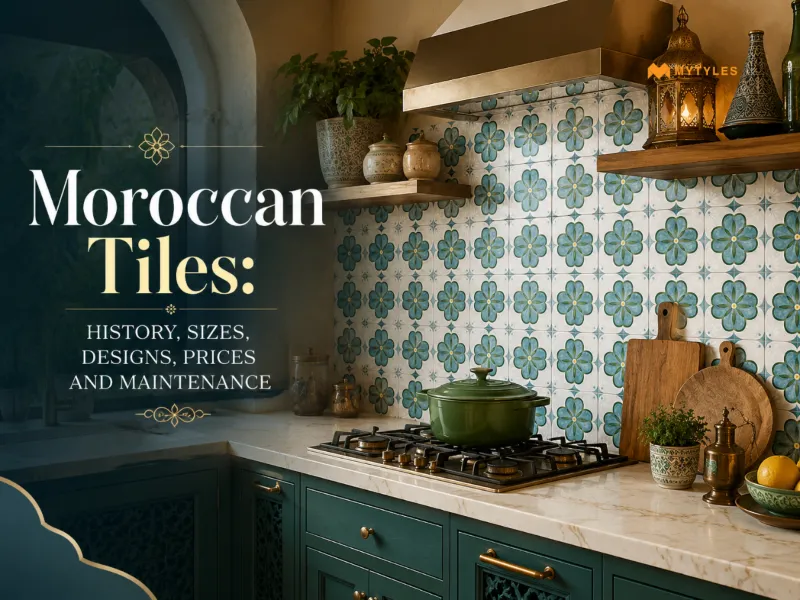
Walk into a room lined with Moroccan floor tiles, and it’s hard not to pause for a moment. From the narrow streets of Marrakech to the bustling cities of the world, Moroccan tiles have woven a narrative of tradition, artistry, and global unity, leaving an indelible mark on the floors of homes and the landscape of interior design. Originating from the diverse and vibrant culture of Morocco, these tiles have made a remarkable journey from the narrow alleyways of Marrakech to adorning the floors of homes and commercial spaces on nearly every continent. In this blog, we’ll explore how Moroccan tiles influence global interior design, the craftsmanship behind their enduring appeal, and why they continue to inspire designers and homeowners worldwide.
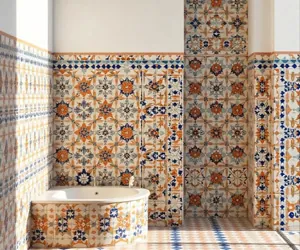
Moroccan tiles, known as Zellige, carry the warmth of human touch in every piece. Each tile begins as natural clay, hand-kneaded and sun-dried by local artisans. Once hardened, the clay is carefully shaped into small squares, glazed with vibrant mineral pigments, and fired in traditional kilns fueled by olive wood. The result is a stunning mosaic of colors, deep blues, earthy greens, and soft whites, each slightly varied, each beautifully imperfect.
Moroccan tiles are more than just crafts; they are a way to keep culture alive. Their geometric patterns, which are based on Islamic art, talk about balance and unity. They are timeless because they combine ancient symbols with modern design, making them fit in kitchens, courtyards, and living rooms all over the world. Every tile tells a story of patience, heritage, and art. It reminds us that real design is made, not manufactured.
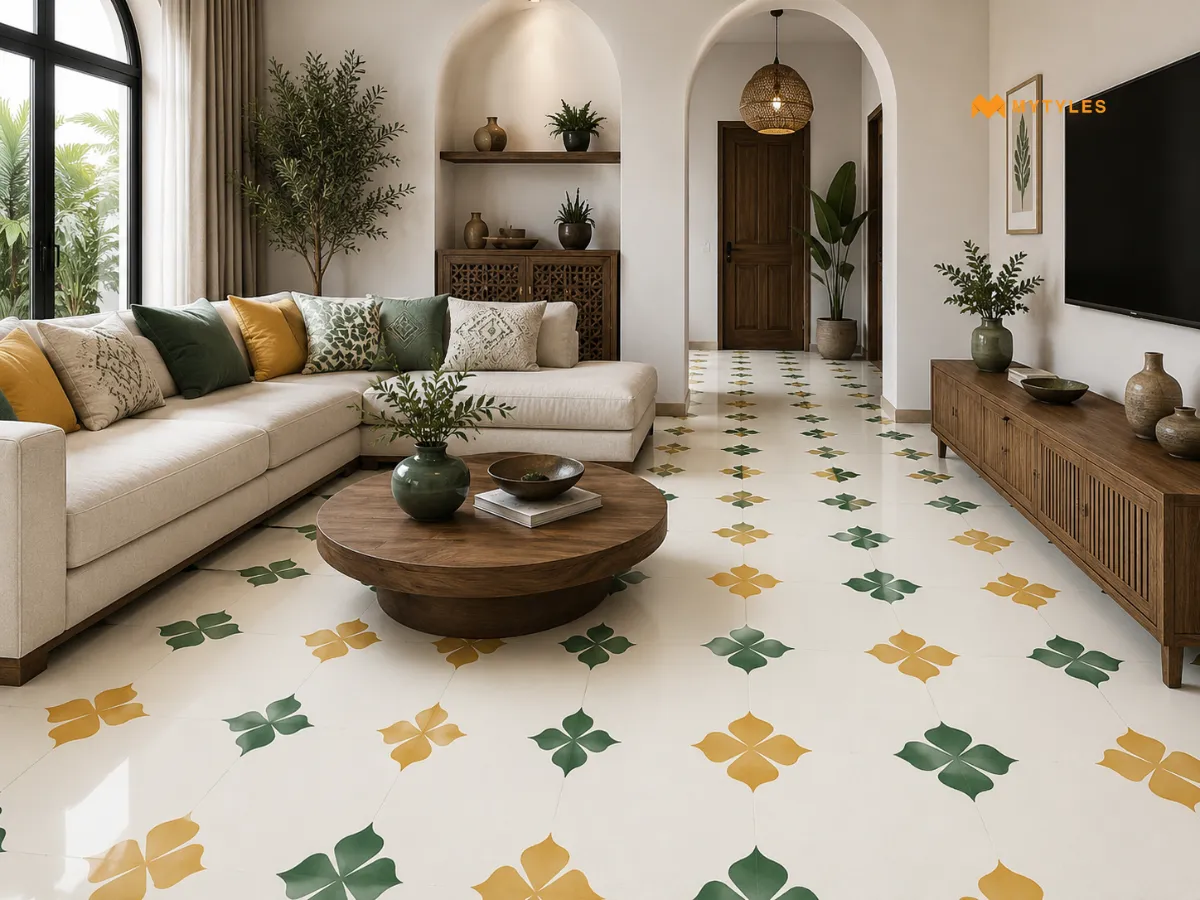
Moroccan tiles have transcended borders, finding their place in homes and commercial spaces across the world. Their global appeal lies in how effortlessly they blend with modern design sensibilities, bridging cultures through creativity. Let’s explore how this North African artistry has reshaped international interiors.
Moroccan tiles first came to Europe in the 19th century when traders and travelers brought them back from Morocco. In southern Spain, where Andalusian architecture has tiles with similar patterns, the Spanish-Moorish influence is very strong.
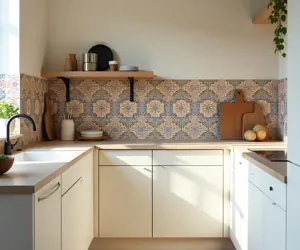
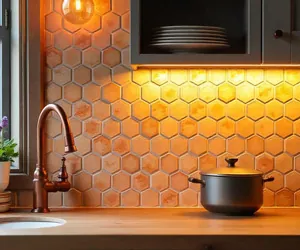
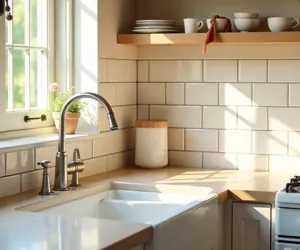
Designers often use Moroccan tiles as statement floors or backsplashes in modern European homes. This adds warmth and authenticity to minimalist spaces. For example, a plain white kitchen looks great with blue-and-white Moroccan patterns on the backsplash or under the island. They add a lived-in charm that feels both worldly and cozy, which is something Europeans have always loved.
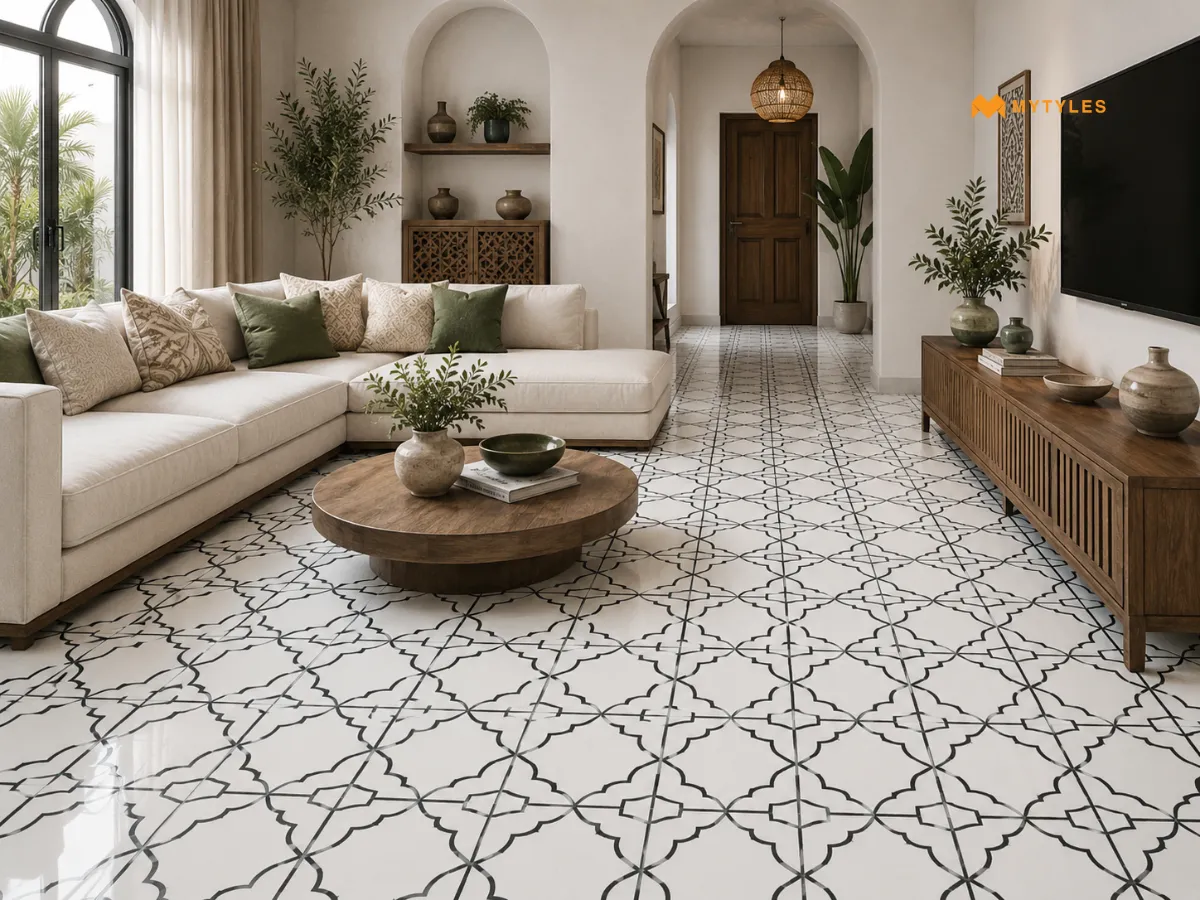
During the Bohemian design movement, which values individuality and global influences, Moroccan tiles became very popular across the Atlantic. People in the U.S. use Moroccan tiles to add personality to plain rooms, turning a boring bathroom or hallway into an art gallery.
Moroccan tiles are often found in Mediterranean or Spanish Colonial homes in California, where rustic textures meet modern architecture. They add a touch of old-world romance to a relaxed style.
The American trend is toward mixed patterns and subtle color contrasts. It celebrates imperfection, with each tile being a little different, hand-glazed, and full of character.
In the Middle East and South Asia, Moroccan tiles resonate deeply due to their shared Islamic art heritage. Indian designers often pair Moroccan-style floor tiles with carved wood furniture, brass accents, and patterned textiles, creating a vibrant yet cohesive aesthetic.
The region’s design language already embraces geometry, color, and craftsmanship, making Moroccan motifs a natural fit. Many luxury villas and boutique hotels in Dubai, Jaipur, and Goa now feature Moroccan-inspired courtyards and spa-like bathrooms that echo the charm of riads in Marrakech.
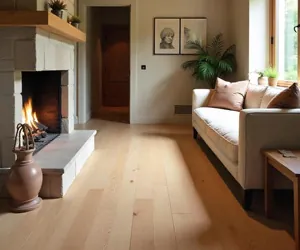
Scandinavian minimalism and Moroccan art have come together in a way that is surprising. This design mix uses Moroccan tiles sparingly, usually as a small wall inset or floor feature, to add warmth to simple, neutral spaces.
A white Scandinavian kitchen with a patterned Moroccan tile floor is an example of visual balance: clean lines meet intricate craftsmanship. The result is welcoming without being too much, which is a great example of design harmony.
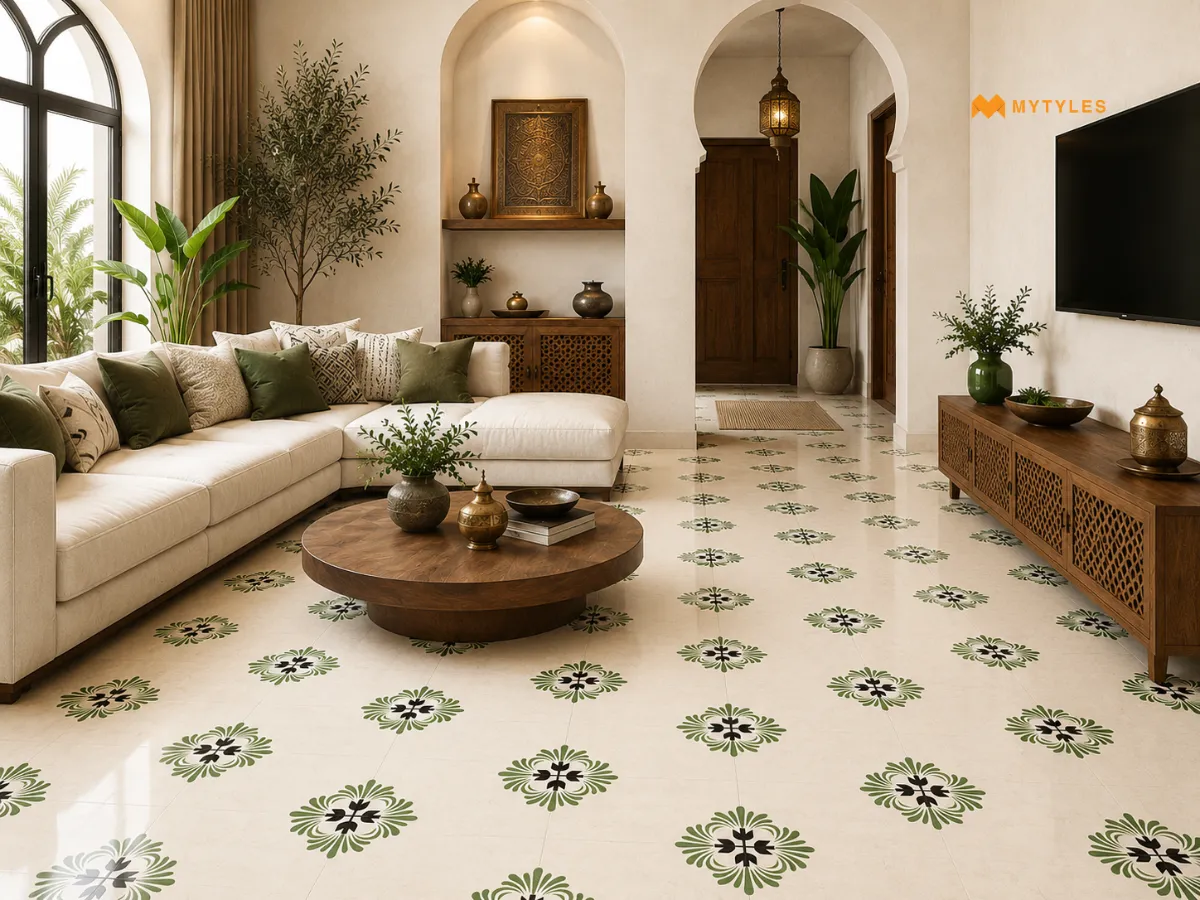
The beauty of Moroccan tiles lies not just in their appearance but in the values they carry, craftsmanship, imperfection, and individuality. Each tile is slightly different, reminding us that human hands made it, not machines. Let’s look at the deeper reasons behind their continued popularity.
Moroccan tiles look great in almost any style, whether it's rustic, modern, bohemian, industrial, or traditional. The colors and patterns work well with both warm and cool tones, so they are easy to add to new or remodelled spaces. They can also go on walls. Designers now use them on walls, stair risers, tabletops, and fireplaces, which makes every corner a place to start a conversation.
Geometry is at the heart of Moroccan design. It is both complex and balanced. Patterns made up of stars, interlocking polygons, and arabesque curves catch the eye and calm the mind. These patterns are more than just decoration; they stand for spiritual order and unity, which are ideas that are very important in Islamic design. When used with bright, earthy colors like cobalt blue, emerald green, saffron, and terracotta, Moroccan tiles bring life to modern spaces and break up the monotony of minimalism.
As the world moves toward sustainability, handcrafted Moroccan tiles have gained even more admiration. Many are made using natural clay and lead-free glazes, with minimal industrial waste.
Consumers and designers who value eco-conscious craftsmanship often prefer Moroccan tiles over synthetic alternatives, appreciating both their environmental and cultural authenticity.
In the era of social media and travel, interior design has become more global than ever. Homeowners want spaces that reflect cultural diversity and personal stories. Moroccan tiles perfectly fit this narrative. They allow people to bring a piece of travel and tradition into their own homes, a subtle nod to distant places that feel personal and authentic.
The global appeal of Moroccan floor tiles lies in their ability to bridge cultures, fusing history with innovation, and tradition with modernity. Their geometry inspires calm, their color energizes, and their craftsmanship connects generations. They’ve become a universal design language, one that speaks of heritage, warmth, and authenticity. At MyTyles, you’ll find a curated range of Moroccan-inspired tiles that blend timeless artistry with modern performance. Each tile is crafted to elevate your interiors with color, texture, and meaning.
Moroccan floor tiles combine geometric patterns, handcrafted character, rich color, and cultural storytelling in a way that suits many interior styles. Their designs can feel traditional, bohemian, Mediterranean, eclectic, or surprisingly modern depending on the surrounding décor. This versatility allows homeowners and designers worldwide to create distinctive floors that remain expressive without relying on short-lived trends.
Moroccan patterns have encouraged designers to use repeated geometry, contrasting borders, symmetrical layouts, and decorative flooring as central design features. Today, these influences appear in kitchens, bathrooms, cafés, courtyards, and living spaces across different countries. Modern interpretations often simplify traditional motifs or use neutral colors, making the style easier to combine with contemporary furniture and architecture.
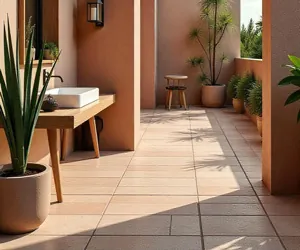
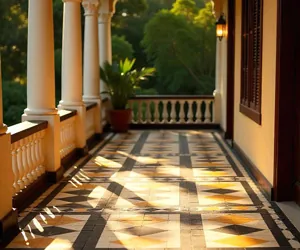
Moroccan floor tiles can enhance entrance foyers, kitchens, bathrooms, dining rooms, balconies, courtyards, and selected living room sections. Their detailed patterns work especially well where the floor can act as a focal point. In larger homes, they can define functional zones without walls, while in compact spaces, a controlled pattern can add personality without occupying space.
Yes, Moroccan tiles can complement contemporary interiors when paired with clean-lined furniture, plain walls, simple cabinetry, and restrained accessories. Choose a pattern containing colors already present in the room for better continuity. Black-and-white, beige, grey, or muted blue designs offer a modern effect, while brighter combinations create a bolder and more energetic interior focal point.
Let the patterned floor remain the main visual feature by keeping walls, upholstery, curtains, and large furniture relatively simple. Repeat one or two tile colors through cushions, artwork, or cabinetry for a coordinated appearance. Avoid combining several unrelated prints in small rooms, as excessive pattern can make the interior feel crowded and reduce the floor’s impact.
Maintenance depends on the tile material and finish. Glazed ceramic or porcelain Moroccan tiles are generally easier to clean than porous cement or natural stone options, which may require sealing. Sweep regularly, use a mild tile-safe cleaner, wipe spills promptly, and avoid harsh acids. Keep grout joints clean and reseal surfaces when recommended by the manufacturer.
Check the material, tile size, thickness, water absorption, slip resistance, color variation, pattern repeat, finish, and recommended application. Lay several samples together to understand how the design connects across joints. Measure carefully, order extra tiles for cuts and repairs, verify the batch number, and choose an installer experienced in aligning detailed geometric patterns correctly onsite.
03 Nov, 2026
Kanchan Devi Agarwal
31 May, 2026
Aditi Bardhan
₹24,500.00 / Piece
₹24,500.00 / Piece
₹24,500.00 / Piece
₹24,500.00 / Piece
₹24,500.00 / Piece

₹24,500.00 / Piece
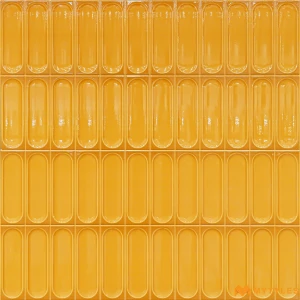
₹115.00 / Sq.Ft
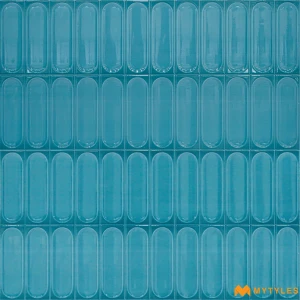
₹115.00 / Sq.Ft
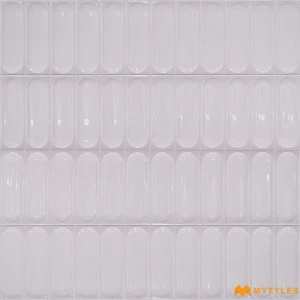
₹115.00 / Sq.Ft
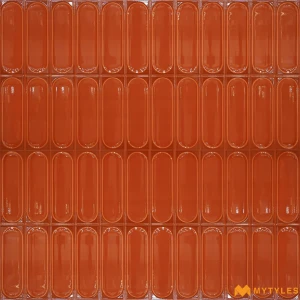
₹115.00 / Sq.Ft
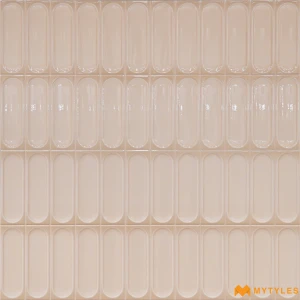
₹115.00 / Sq.Ft
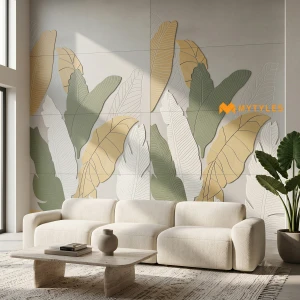
₹95,000.00 / Set
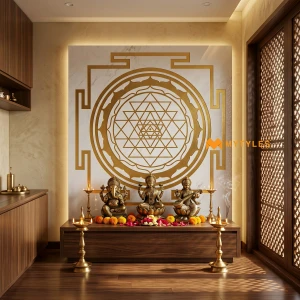
₹52,000.00 / Piece
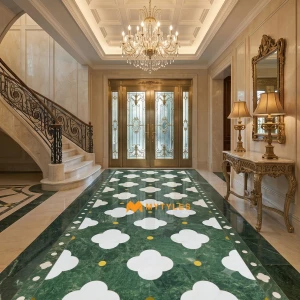
₹80,000.00 / Set
₹95.00 / Sq.Ft
₹90.00 / Sq.Ft
₹90.00 / Sq.Ft

₹90.00 / Sq.Ft
₹90.00 / Sq.Ft
₹90.00 / Sq.Ft
₹95.00 / Sq.Ft
₹95.00 / Sq.Ft
₹95.00 / Sq.Ft
₹95.00 / Sq.Ft
₹95.00 / Sq.Ft
₹76.00 / Sq.Ft