ByKanchan Devi Agarwal
Tue , Nov 03 , 2026
Read Time: 5 Min
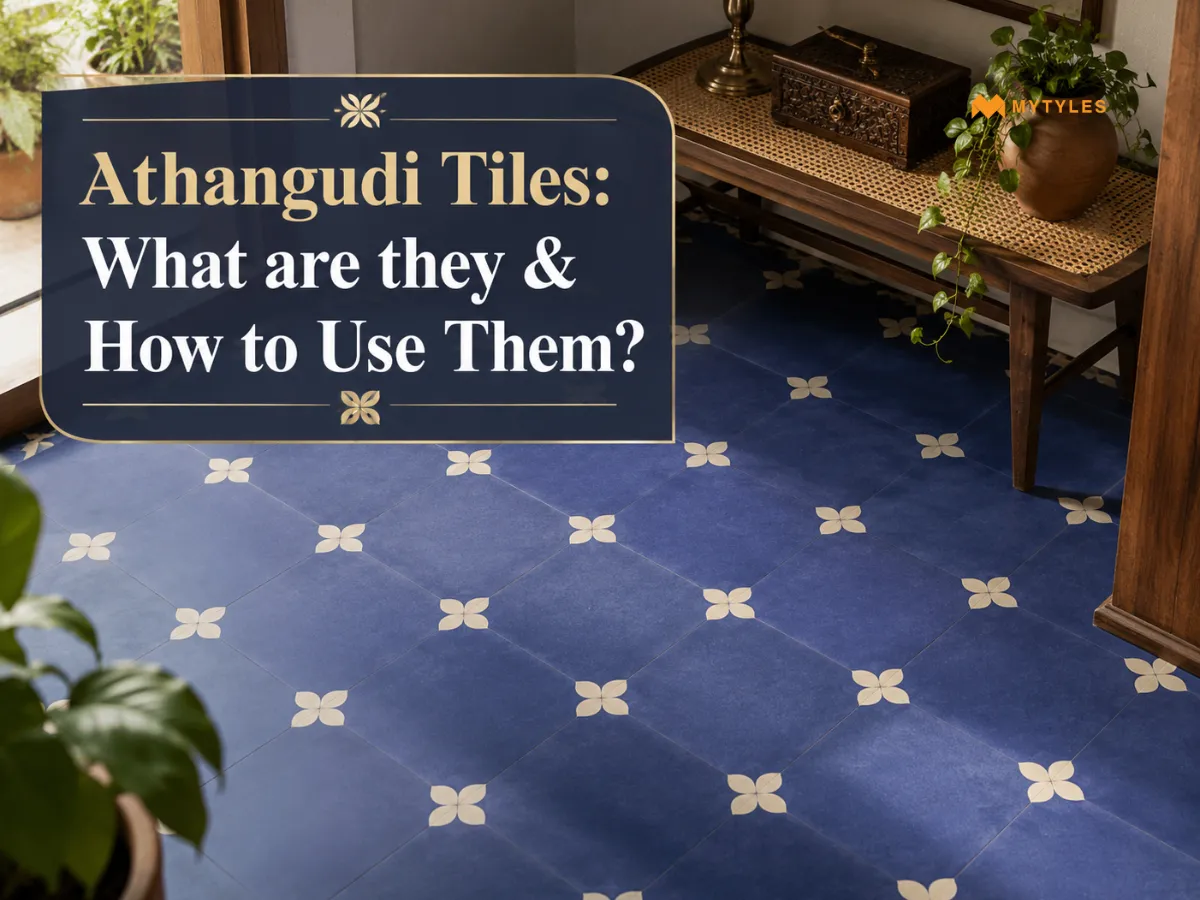
If your idea of beautiful flooring includes handcrafted artistry and timeless design, Athangudi tiles deserve a closer look. Originating in the historic Chettinad region of Tamil Nadu, these handmade cement tiles are celebrated for their bold colors, intricate patterns, and natural shine. Every tile is poured into a glass mold, layered with pigments, and dried under sunlight. No machines, no chemicals, just pure craftsmanship.
The result is an eco-friendly flooring material that feels as elegant in modern apartments as it does in heritage homes. In this guide, we’ll uncover the story behind Athangudi tiles, their traditional making technique, and creative ways to style them across living rooms, courtyards, and more for an authentic yet modern appeal.
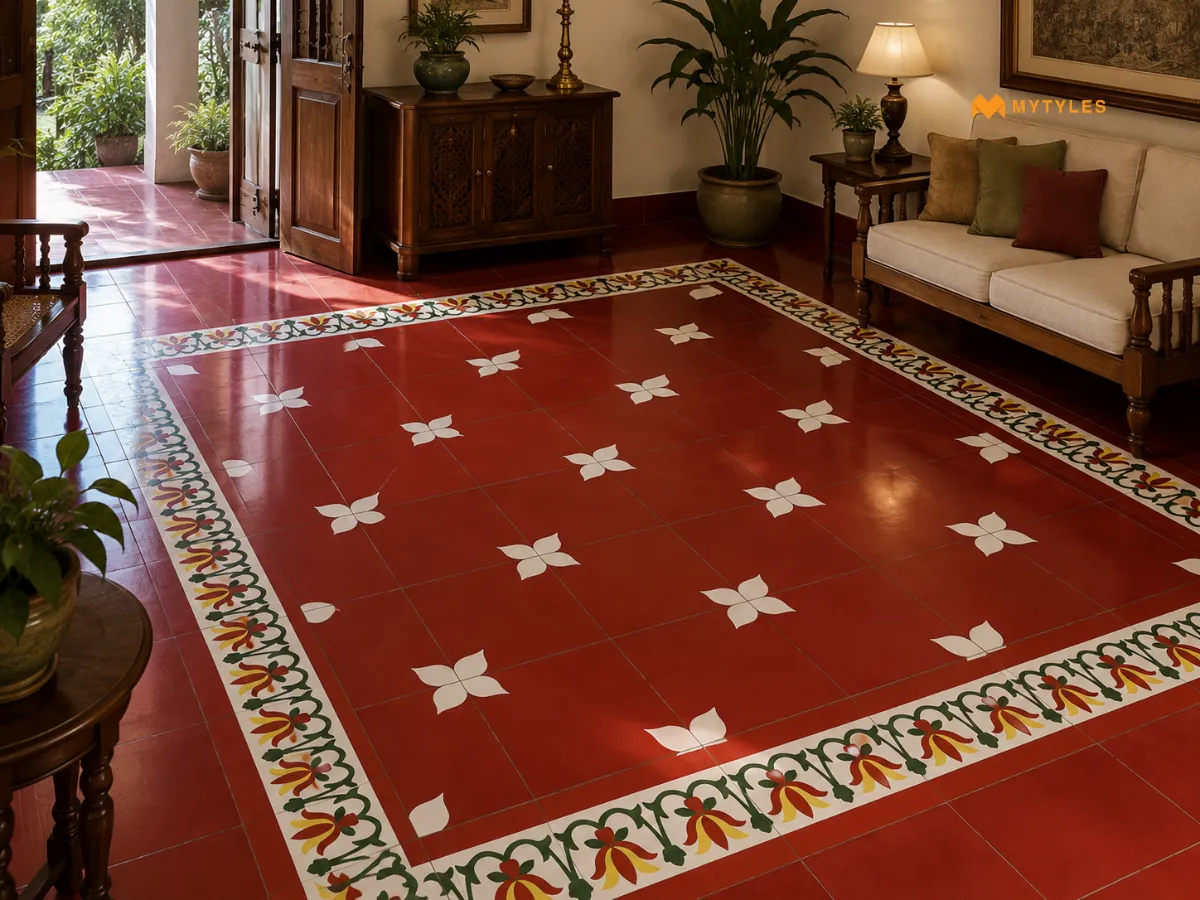
Athangudi tiles, also known as Chettinad handmade tiles, are handcrafted cement tiles originating from the small village of Athangudi in Tamil Nadu’s Chettinad region. Unlike factory-made options, these tiles are made by hand, each piece molded, colored, and sun-dried to perfection. They’re not baked in kilns like ceramic or vitrified tiles; instead, they’re set using a glass mold and a mixture of cement, sand, and natural oxides. The result is a glossy surface with intricate designs and long-lasting color that doesn’t fade easily. These tiles are an example of how traditional craftsmanship and sustainable materials can come together to create something visually stunning and durable.
The process of making Athangudi tiles is a beautiful mix of art and precision. Every tile passes through careful hands, ensuring no two pieces are ever identical. Here’s a glimpse of how they come to life:
Artisans create a stencil on stiff paper with intricate motifs such as florals, geometrics, or peacocks. A glass or metal frame, typically 8x8 or 10x10 inches, defines the tile size. The stencil guides the precise placement of colored cement to form the patterns.
A smooth iron or wooden table is dusted with dry sand to prevent sticking, and the metal frame is placed on it to form the mold.
White cement is mixed with liquid color pigments, red, green, blue, yellow, or black oxides, and these vibrant pastes are carefully poured into the stencil sections to create the design. Precision ensures colors do not bleed, and the layer sets for 10–15 minutes.
Once partially set, the stencil is removed. A dry mix of grey cement and sand is spread evenly as the middle layer for structural strength. A wet slurry of cement, sand, and baby jelly is then poured as the base, reaching a thickness of 1–1.5 inches. The frame is lifted, and the tile remains on the table.
After an initial setting of 30 minutes, tiles are lifted and submerged in water tanks for 10–14 days of slow hydration curing. This natural process strengthens the cement and locks in the colors.
Following curing, tiles are sun-dried and polished with linseed oil and coarse stone to achieve a glossy, glass-like sheen, no baking or chemicals are involved.
The entire process, from mixing to polishing, takes 15–20 days per batch. Skilled craftsmen produce 100–200 tiles daily. Waste sand is reused, and water is recycled, making the method fully sustainable and zero-energy.
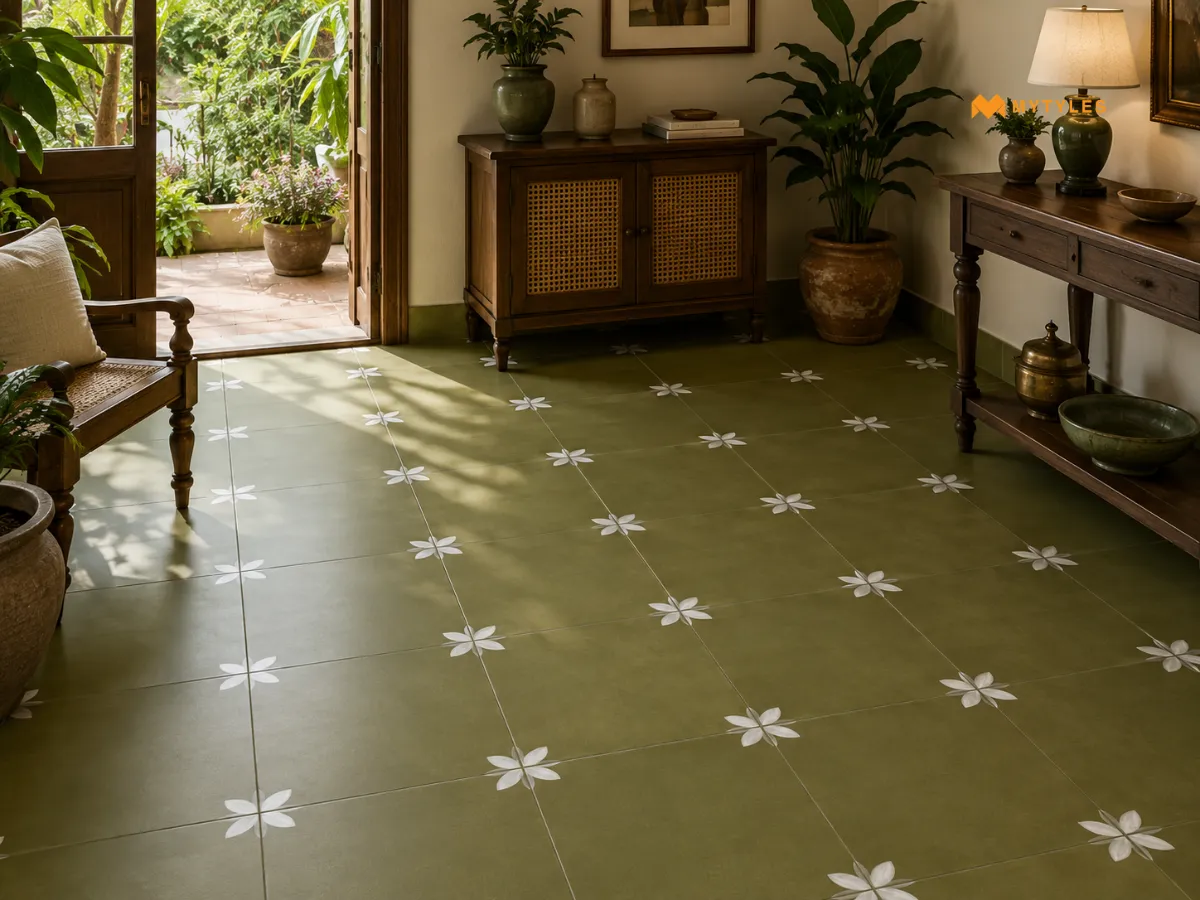
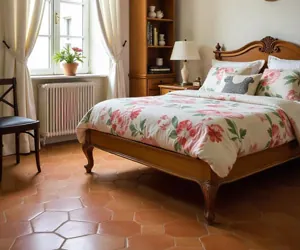
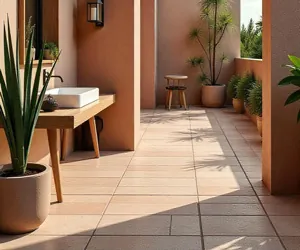
Versatility is one of the biggest strengths of Athangudi tiles. Their color richness and natural shine can uplift any corner of your home. Here are some creative ideas to incorporate them:
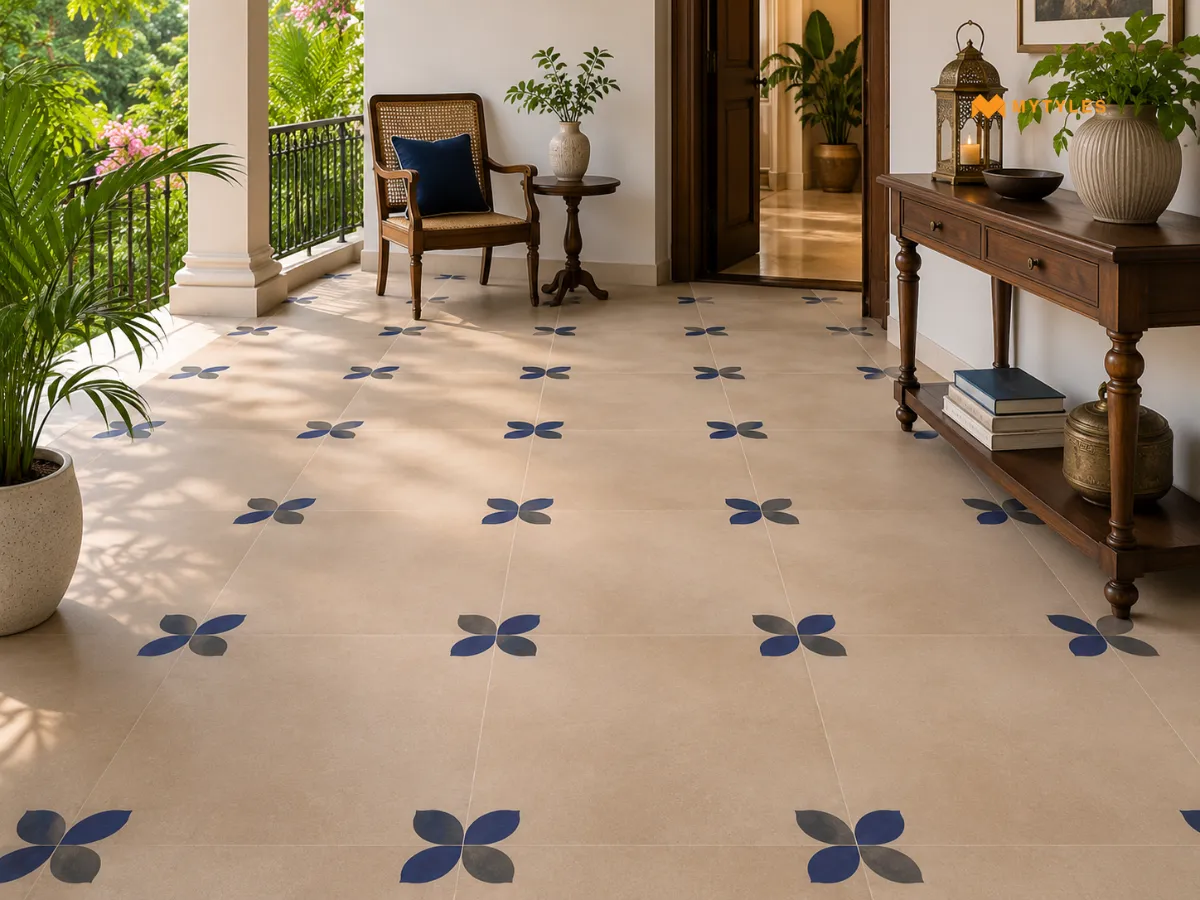
One of the most fascinating aspects of Athangudi tiles is their incredible design diversity. Each pattern tells a story, carrying artistic influences that range from traditional Indian motifs to mid-century European sensibilities. Here are some of the most admired design styles you’ll find in this timeless craft:
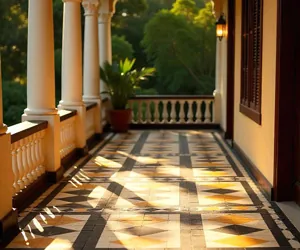
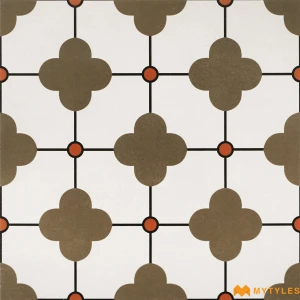
Checkered Athangudi tiles feature either thin trims or solid block shades that create a distinctive, balanced contrast. Their glossy, speckled texture adds a sophisticated finish to both indoor and outdoor areas. These checkered patterns pair beautifully with mid-century or Indo-western interiors, giving spaces a grounded yet elegant appearance.
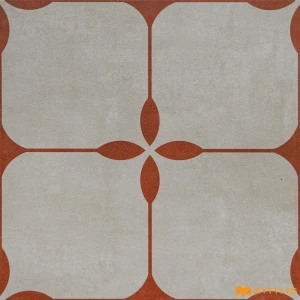
Annapakshi tiles are recognised for their graceful composition of square floor tiles bordered with arched rectangular trims in contrasting hues. When laid together, they form a carpet-like layout that feels both traditional and artistic, ideal for living rooms, verandas, and courtyards that celebrate Indian heritage and design symmetry.
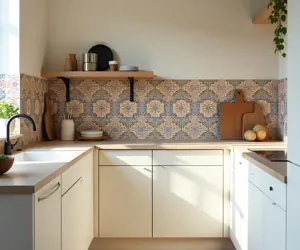
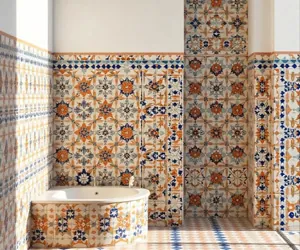
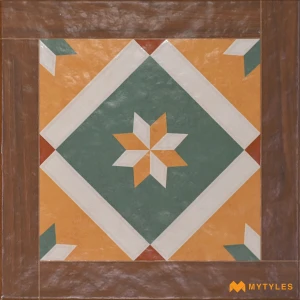
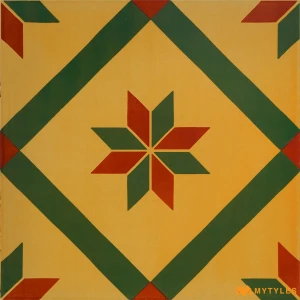
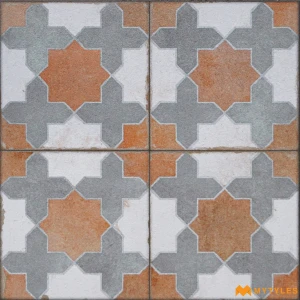
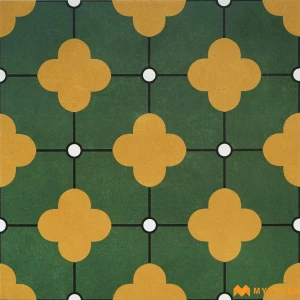
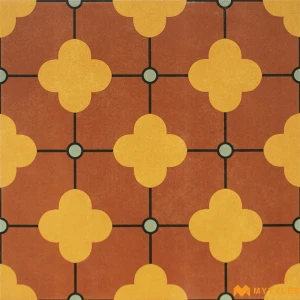
Geometric Athangudi patterns feature structured lines and interlocking edges that create continuous motifs across the surface. The designs reflect influences of Moroccan and rustic prints, making them a versatile choice for modern homes that appreciate ethnic artistry with a contemporary touch.
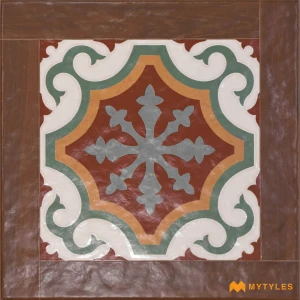
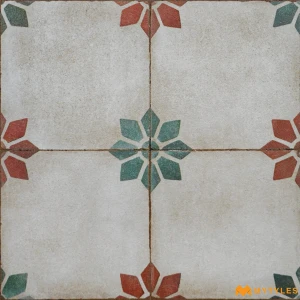
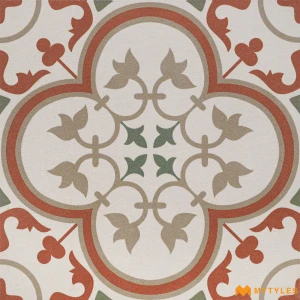
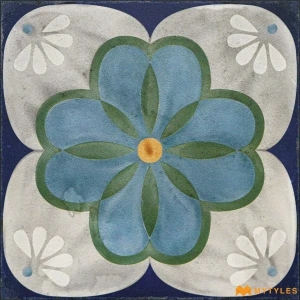
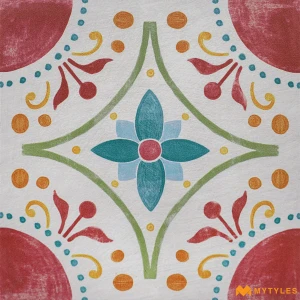
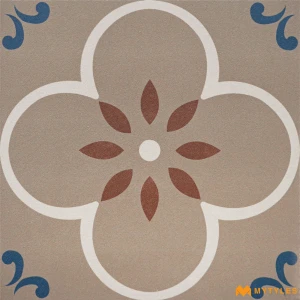
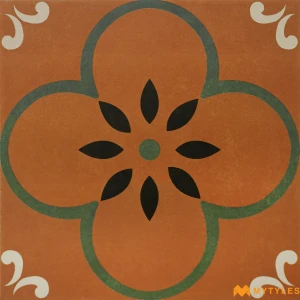
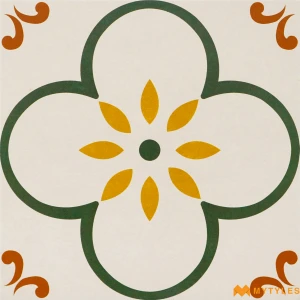
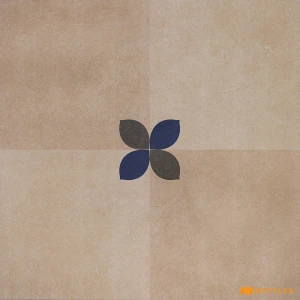
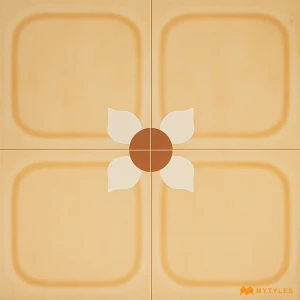
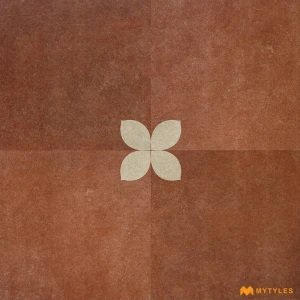
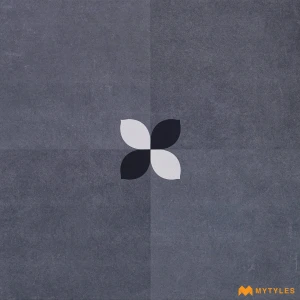
Floral Athangudi tiles display beautiful loops, arcs, and petal-inspired details, bringing softness and vibrancy to the floor. Available in many textures, finishes, and colors, they work well in balconies, foyers, and hallways, adding a handcrafted feel that never goes out of style.
Athangudi tiles, handcrafted from natural materials, boast remarkable durability and timeless beauty. With simple, consistent care, their vibrant colors and glossy finish can last generations.
With these mindful practices, your Athangudi tiles will retain their heritage charm, vibrant hues, and natural elegance for decades, aging gracefully like fine wine.
Athangudi tiles are more than just flooring; they’re a living tradition carried forward through skilled craftsmanship and timeless design. Each tile tells a story of artistry, patience, and pride. If you’re looking to add depth and culture to your interiors, these handcrafted treasures are a perfect choice. At MyTyles, you’ll find a curated range of handcrafted and heritage-inspired tiles that blend traditional artistry with modern durability. Explore our collection today and bring the warmth of Athangudi tiles into your dream home.
Athangudi tiles are handmade decorative tiles known for their rich colors, traditional patterns, and glossy finish. They originated from Athangudi in Tamil Nadu and are usually crafted using cement, natural pigments, and glass moulds. These tiles are loved for their heritage charm, unique imperfections, and ability to bring warmth, culture, and artistic beauty into homes.
Athangudi tiles are popular because they bring a strong traditional Indian character to interiors. Their floral, geometric, and vintage-inspired patterns make floors and walls look artistic without needing extra decoration. They are also valued for their handcrafted appeal, cooling feel underfoot, and timeless look that suits heritage homes, courtyards, verandas, and modern ethnic interiors.
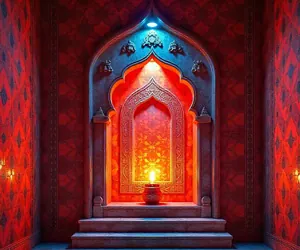
Athangudi tiles can be used in living rooms, foyers, pooja rooms, verandas, courtyards, bedrooms, stair risers, and accent corners. They work especially well in spaces where you want a handcrafted or heritage-inspired look. Since the patterns are visually rich, they are often best used as flooring highlights, borders, or selected feature areas.
Yes, Athangudi tiles can suit modern interiors when used thoughtfully. Pair them with plain walls, simple furniture, wooden accents, and neutral colors to balance their bold patterns. They can create a beautiful fusion style by adding traditional charm to contemporary spaces. Using them as an accent floor or feature section keeps the look stylish and refined.
Choose Athangudi tile designs based on room size, color palette, lighting, and décor theme. Bold floral or geometric patterns work well in larger spaces, while softer designs suit compact rooms. Consider border tiles for a more finished look. The best design should complement your furniture and create a warm, elegant, and balanced atmosphere.
Athangudi tiles should be cleaned with mild soap, water, and a soft mop to protect their surface shine. Avoid harsh acids, strong chemicals, or rough scrubbing, as these can damage the finish. Regular sweeping prevents dust from dulling the surface. Proper sealing and gentle maintenance help retain their color, gloss, and handcrafted beauty for years.
Athangudi tiles can be a good long-term choice when installed and maintained properly. Their handmade cement base and traditional finish can last for years in suitable indoor or semi-covered areas. They are best for homeowners who value character, craftsmanship, and heritage style. With careful cleaning and protection from harsh treatment, they age beautifully over time.
Aditi Bardhan
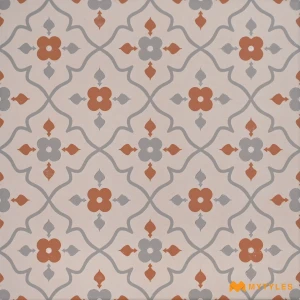
₹185.00 / Sq.Ft
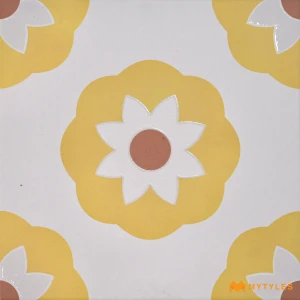
₹185.00 / Sq.Ft

₹185.00 / Sq.Ft
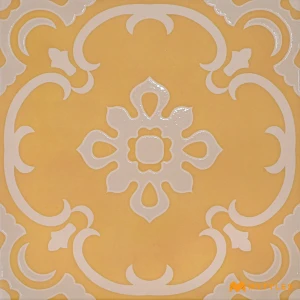
₹185.00 / Sq.Ft

₹185.00 / Sq.Ft
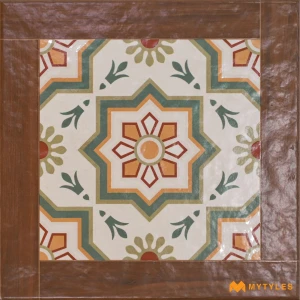
₹175.00 / Sq.Ft
₹175.00 / Sq.Ft
₹175.00 / Sq.Ft
₹165.00 / Sq.Ft
₹110.00 / Sq.Ft
₹110.00 / Sq.Ft

₹85.00 / Sq.Ft
₹85.00 / Sq.Ft
₹85.00 / Sq.Ft
₹85.00 / Sq.Ft
₹120.00 / Sq.Ft
₹8,000.00 / Set
₹8,000.00 / Set
₹8,000.00 / Set
₹148.00 / Sq.Ft
₹148.00 / Sq.Ft
₹148.00 / Sq.Ft
₹148.00 / Sq.Ft
₹148.00 / Sq.Ft
₹148.00 / Sq.Ft
₹148.00 / Sq.Ft
₹155.00 / Sq.Ft
₹155.00 / Sq.Ft
₹155.00 / Sq.Ft
₹155.00 / Sq.Ft
₹155.00 / Sq.Ft
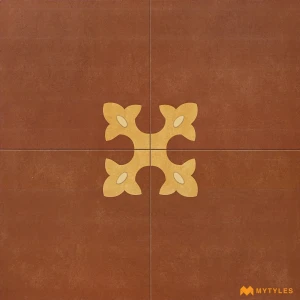
₹110.00 / Sq.Ft
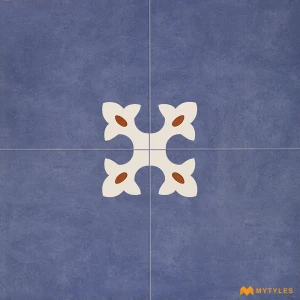
₹110.00 / Sq.Ft
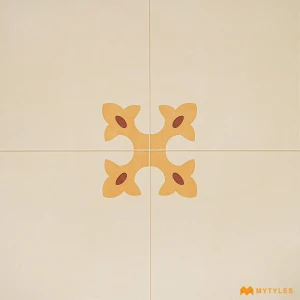
₹110.00 / Sq.Ft

₹110.00 / Sq.Ft
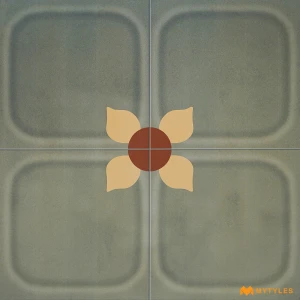
₹110.00 / Sq.Ft
₹105.00 / Sq.Ft
₹110.00 / Sq.Ft

₹105.00 / Sq.Ft
₹105.00 / Sq.Ft
₹105.00 / Sq.Ft
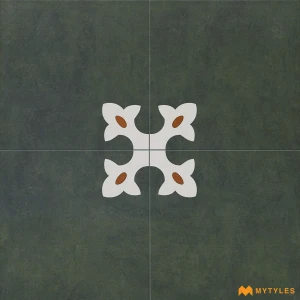
₹110.00 / Sq.Ft
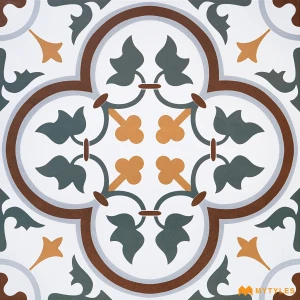
₹95.00 / Sq.Ft
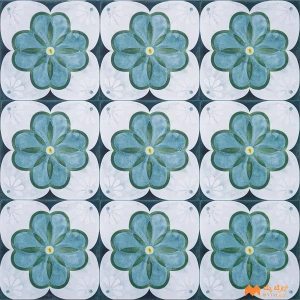
₹95.00 / Sq.Ft