ByAditi Bardhan
Sun , Nov 22 , 2026
Read Time: 5 Min

A floor can look good, but the room may still feel unfinished if the wall base is left plain. That small strip between the floor and the wall matters more than people think. It hides the edge, protects the lower wall, and makes cleaning easier. Good skirting tile designs are not only for large homes. They work in flats, villas, rental homes, bathrooms, kitchens and compact bedrooms too. The right skirting can make the floor look neat instead of suddenly stopping at the wall.
For Indian homes, this is also practical. Brooms, mops, shoe marks, furniture legs and water splashes often hit the lower wall first. Skirting tiles for home spaces help protect that area and give the room a cleaner finish. The best design depends on the floor tile, wall color, furniture and room size. Some rooms look better with matching skirting. Some need contrast. Some need a very slim edge that almost disappears.
Skirting should not look like a random strip added at the end. It should connect the floor and wall properly. These ideas can help you choose a skirting style that looks clean and works well in daily use.
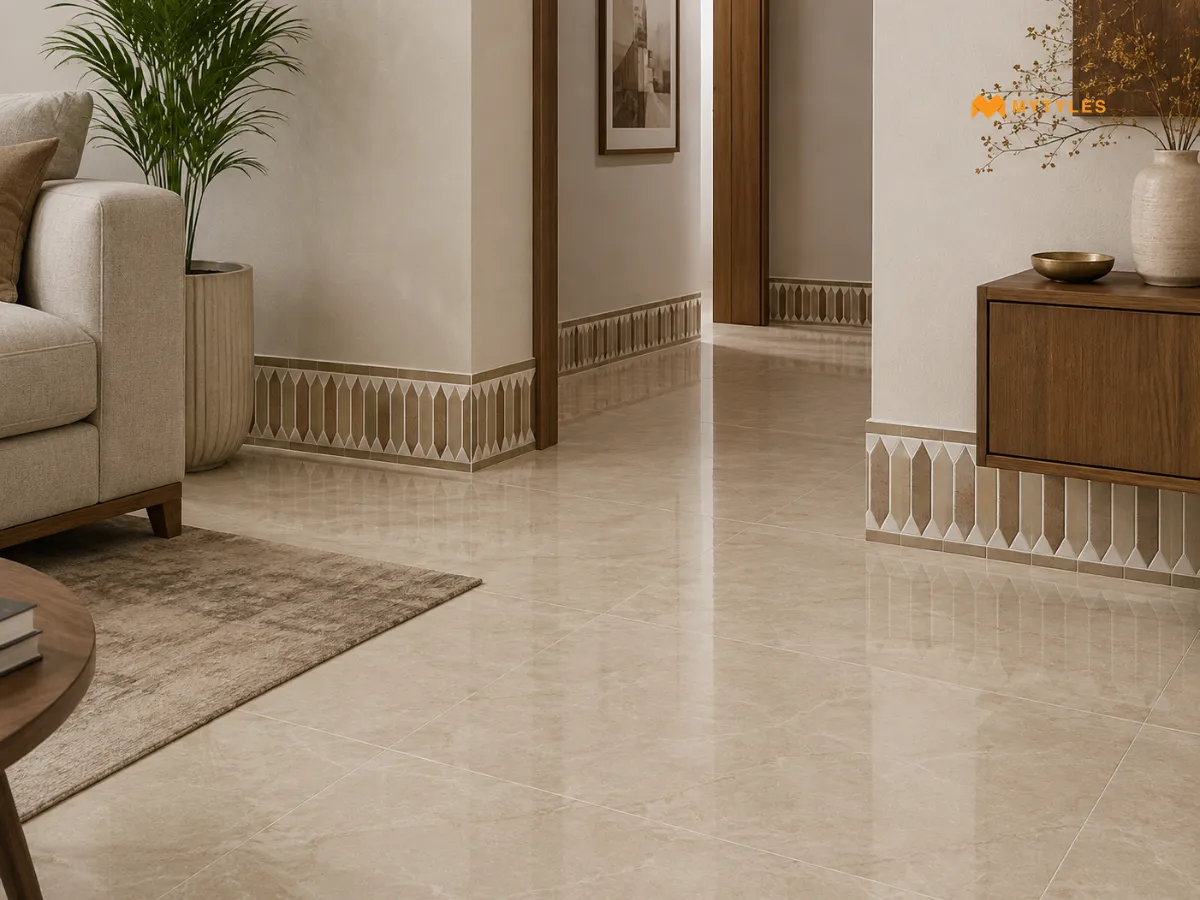
Matching floor tiles and skirting work well when you want a clean room edge without adding another color. The same tile continues from the floor to the wall base, so the finish looks neat. Before fixing, check the cut edges and tile thickness. Rough cuts or bulky skirting pieces can spoil the line, especially around corners, door frames and visible wall ends. Use this in living rooms, bedrooms and passages.
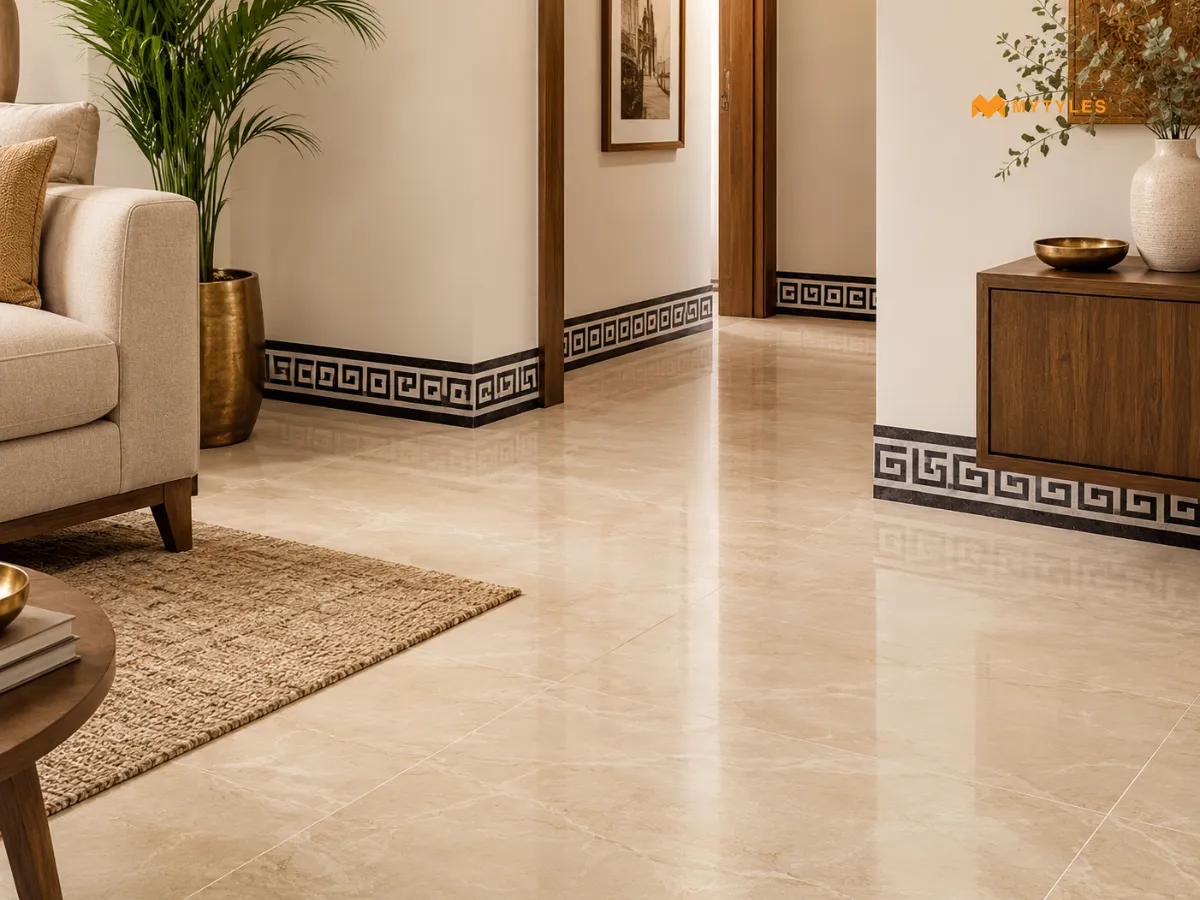
Dark skirting can frame a light floor beautifully. It gives the room a sharper edge and also hides marks better near the wall. Contrasting skirting tile designs work well with ivory, beige, white or light grey floors. Use black, charcoal, brown or deep grey only when the room has enough light. This idea is useful in homes with kids, pets or heavy movement near the wall.
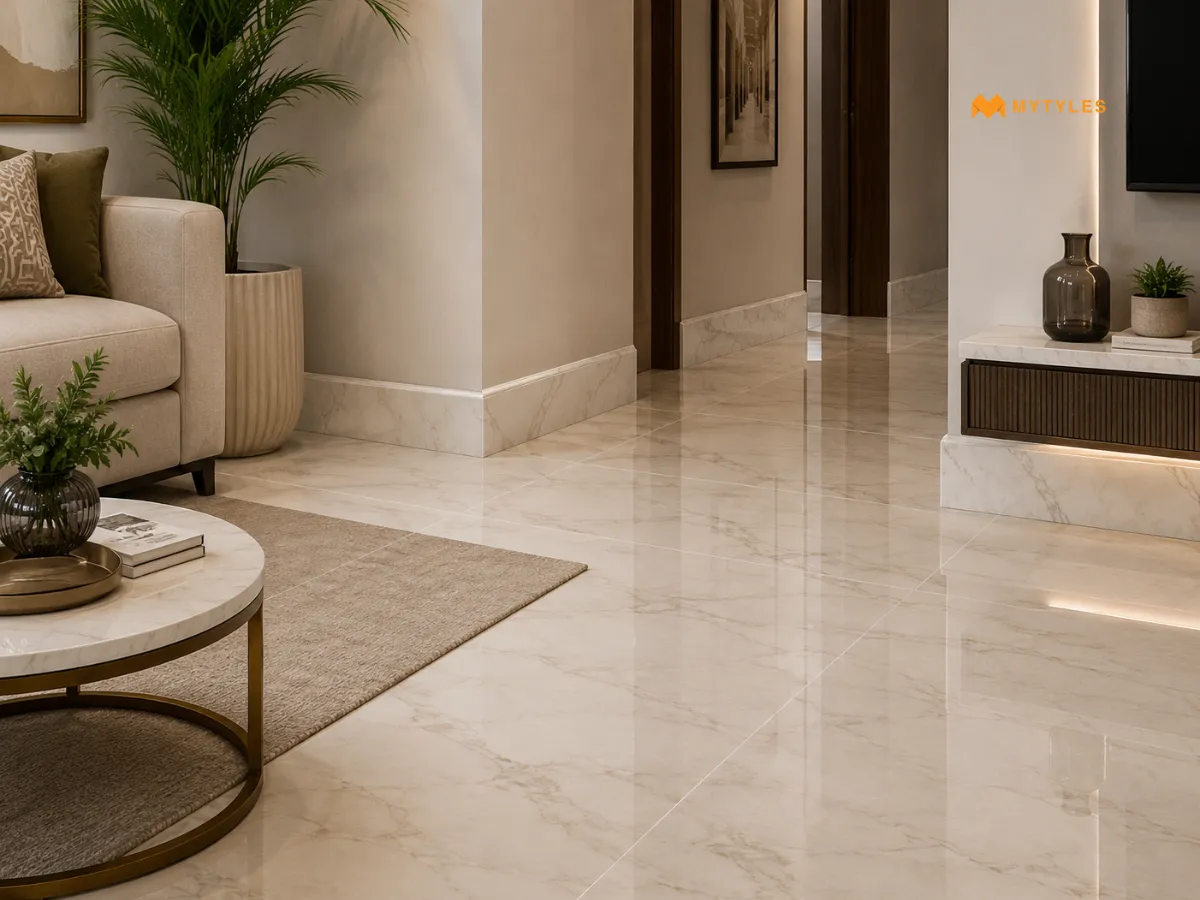
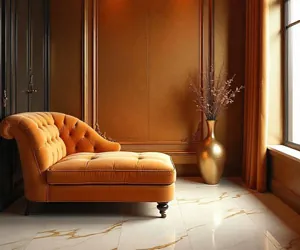
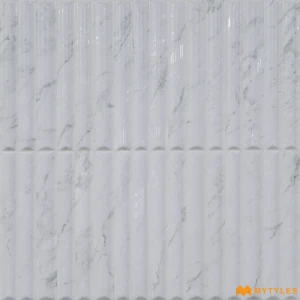
Marble-look skirting tiles can make living room floors look more planned, especially with marble-look, glossy vitrified or soft neutral floors. Before fixing, check tile thickness, veining direction, finish and edge treatment. The skirting should not look heavier than the floor tile, and the veins should flow neatly around corners. Keep the design simple if the floor already has a strong marble pattern.
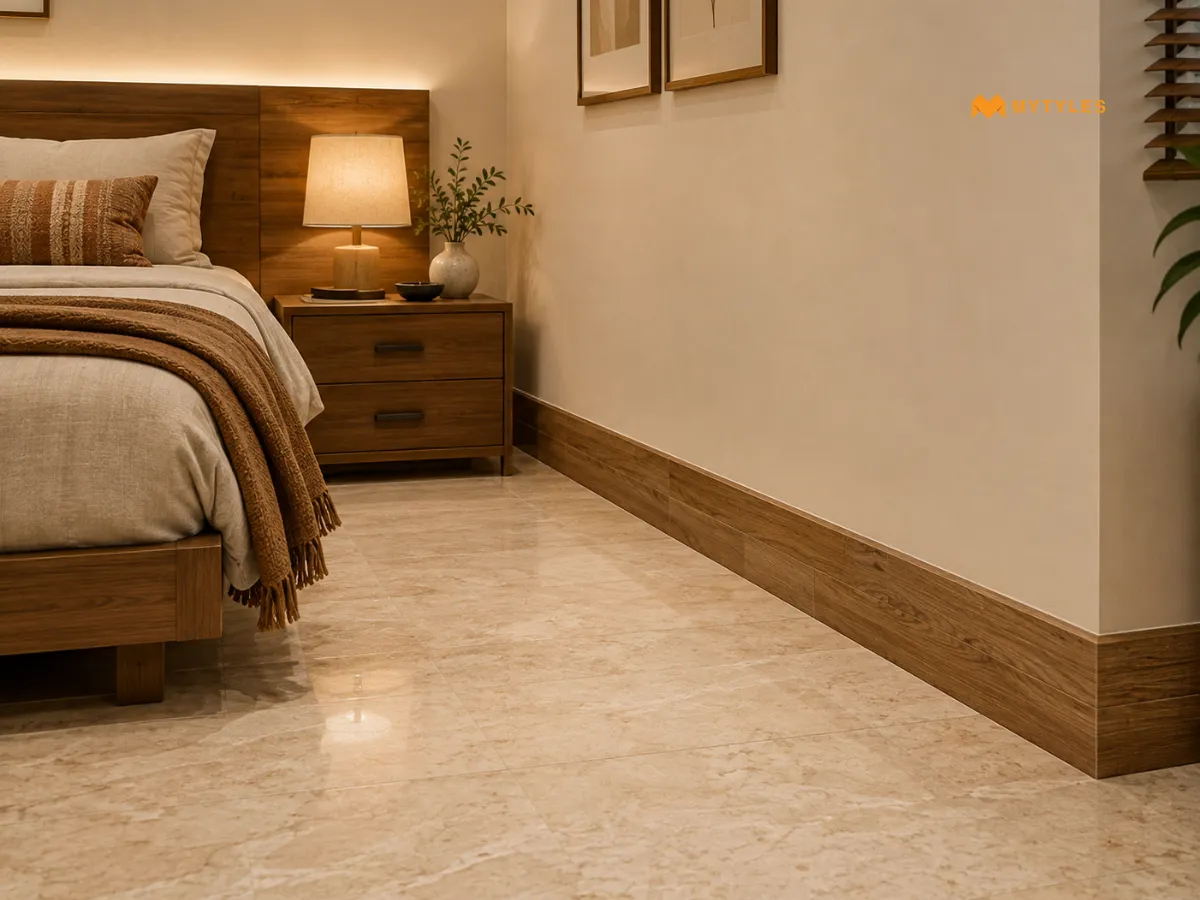
Bedrooms usually need a softer finish than living rooms. Wood-look skirting tiles help bring warmth without using real wood at the base of the wall. They pair well with wooden beds, side tables, wardrobes and warm lights. Use this idea with beige, cream, brown or stone-look floors. It can also soften a room that has very plain wall paint.
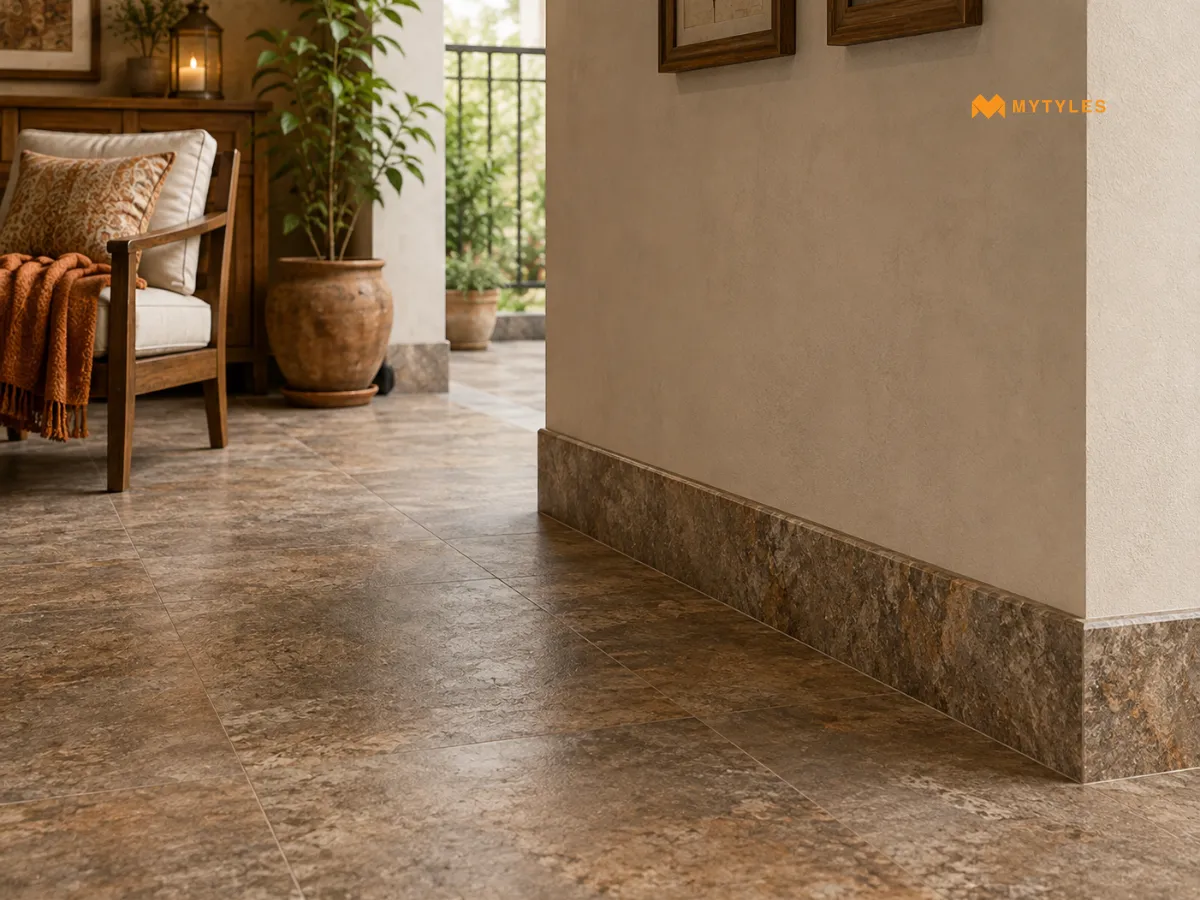
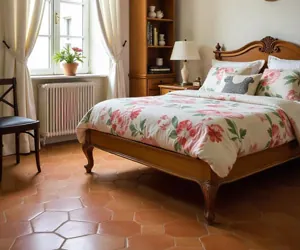
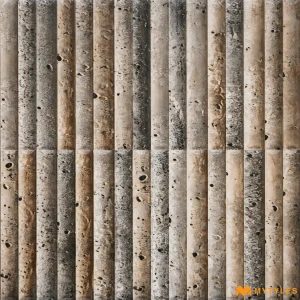
Use stone-look tiles for skirting in earthy rooms, balcony corners, sit-outs and rustic interiors. They give the lower wall a grounded look and work well with textured floor tiles. Use stone-look skirting with brown, grey, terracotta or slate-toned floors.
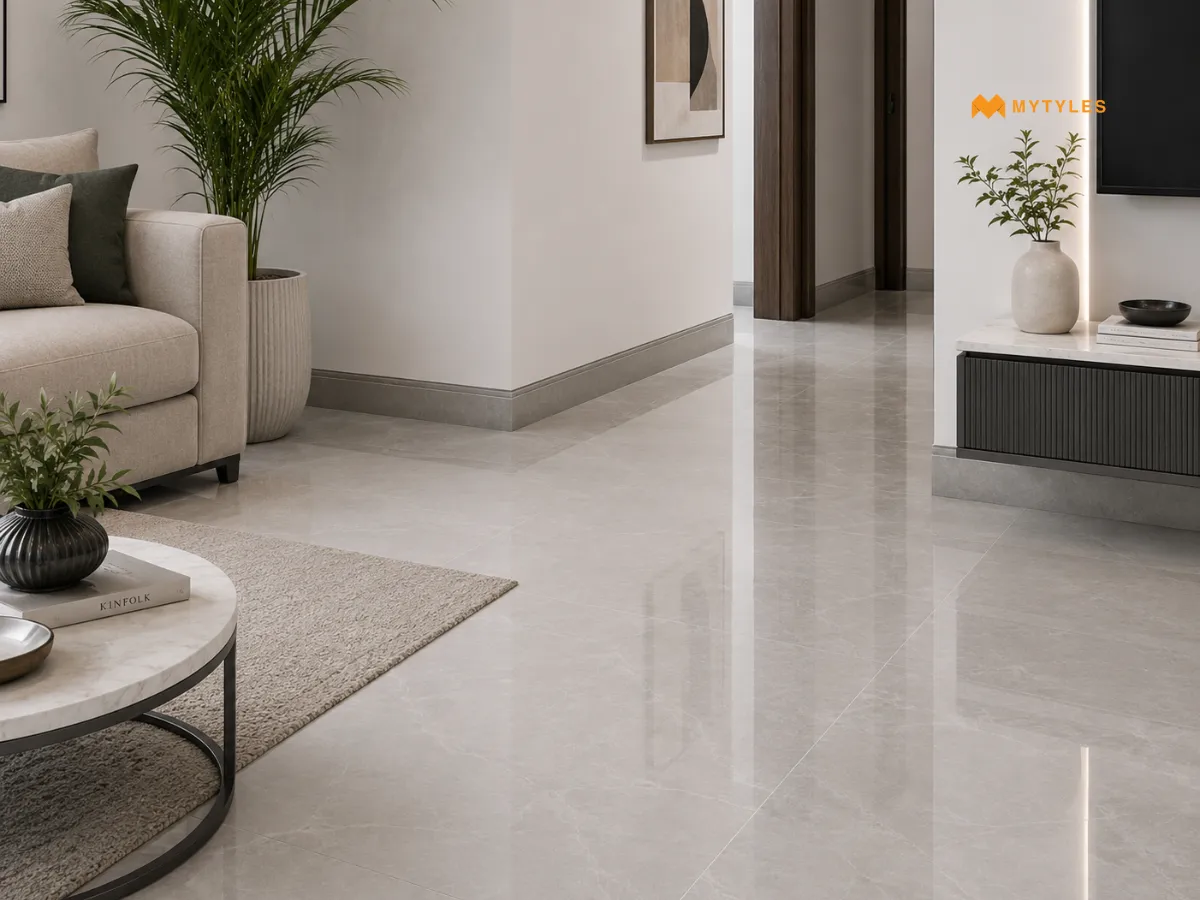
Grey is useful when you want the skirting to stay quiet. Grey skirting tile ideas work well in modern flats with white walls, neutral flooring and simple furniture. A slim grey skirting can also hide dust marks better than plain white. Choose this option when you want a clean edge but do not want the skirting to become the main design detail.
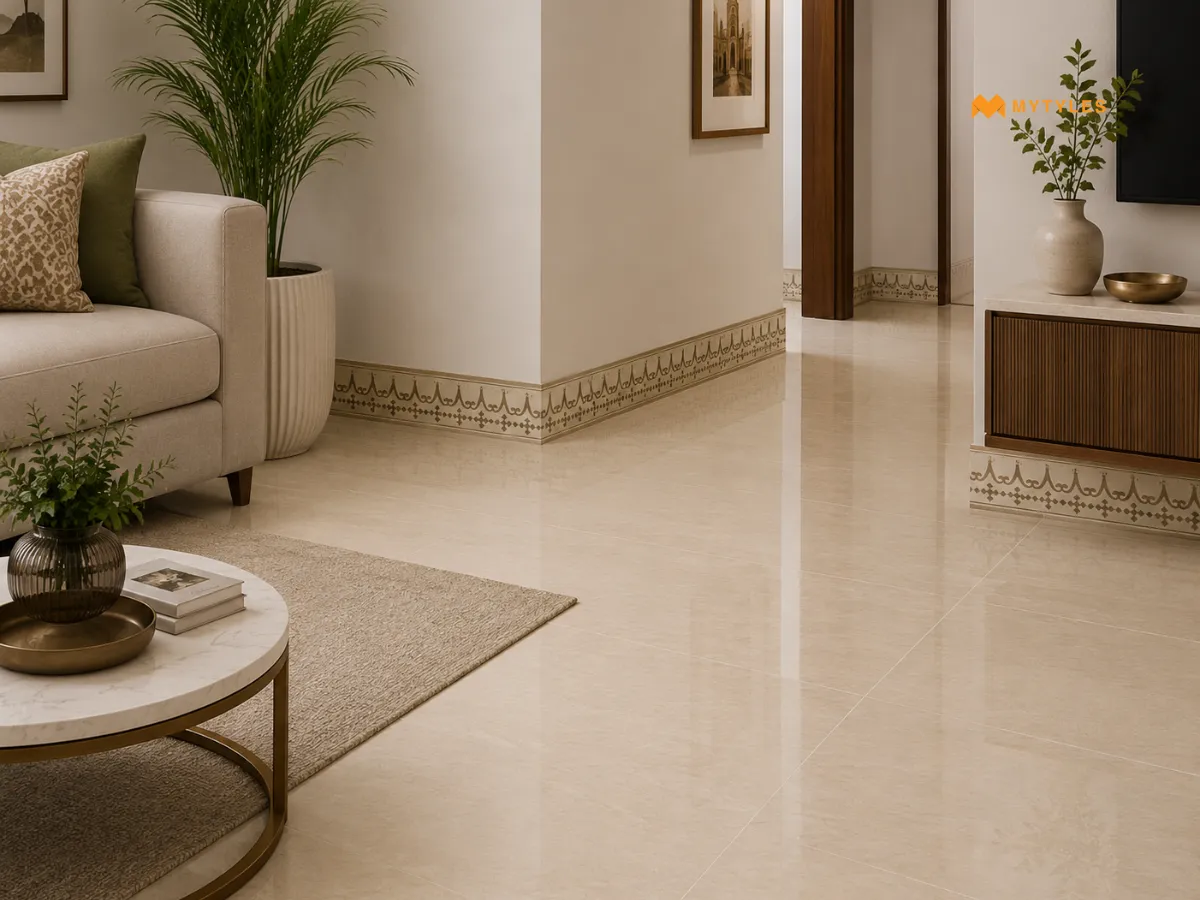
Beige skirting tiles work well when the floor and wall are already light. Beige gives a soft finish and does not create a hard break at the wall base. This idea suits bedrooms, living rooms, passages and pooja rooms. It also works well with cream walls, wooden furniture and warm lighting. Tone-on-tone skirting is best when you want the room to feel calm and simple.
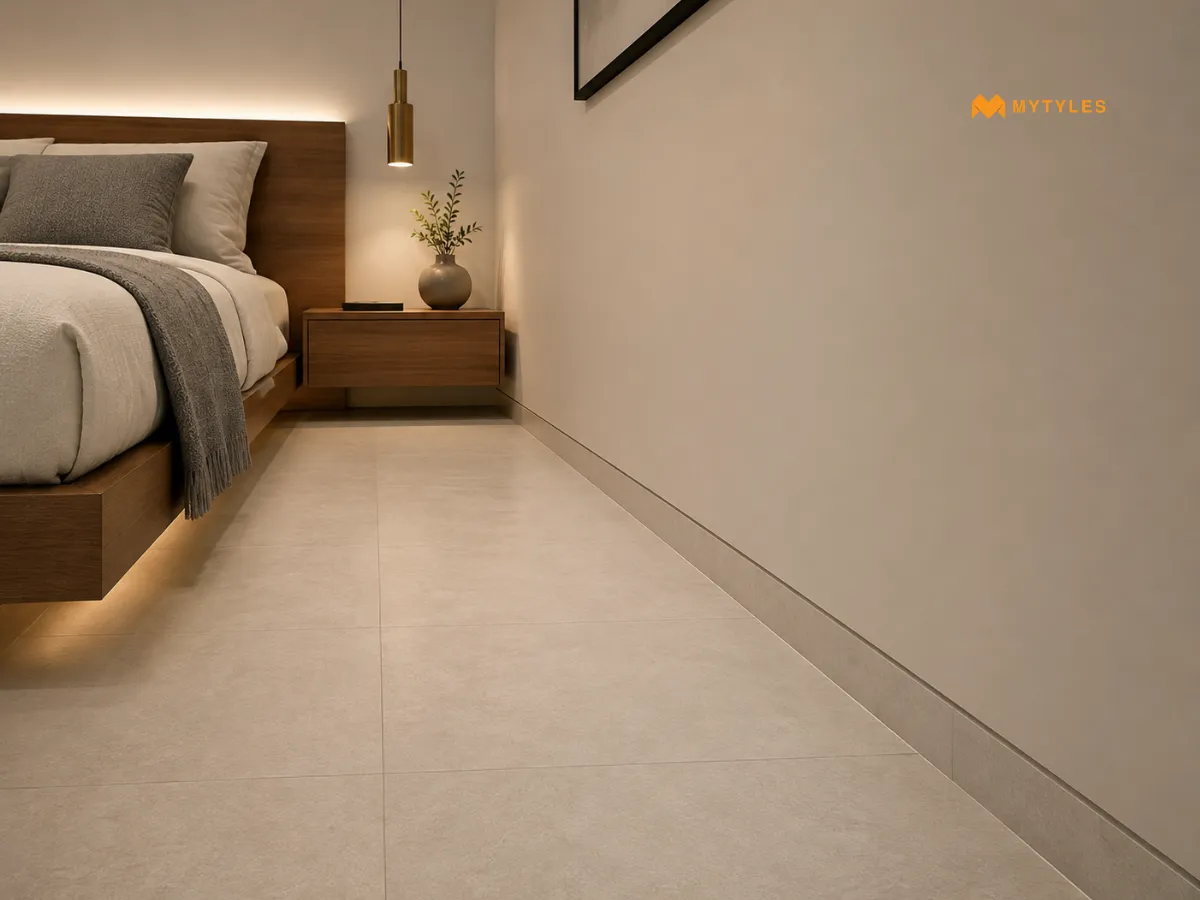
Flush skirting is not just a tile style. It is a construction detail where the modern skirting tile designs sit almost in line with the wall instead of standing out like a raised strip. It gives a cleaner finish, but it needs planning before installation. The wall base, tile thickness, edge line and plaster level must be handled properly. Use it in modern homes where you want a simple, flat wall-to-floor finish.
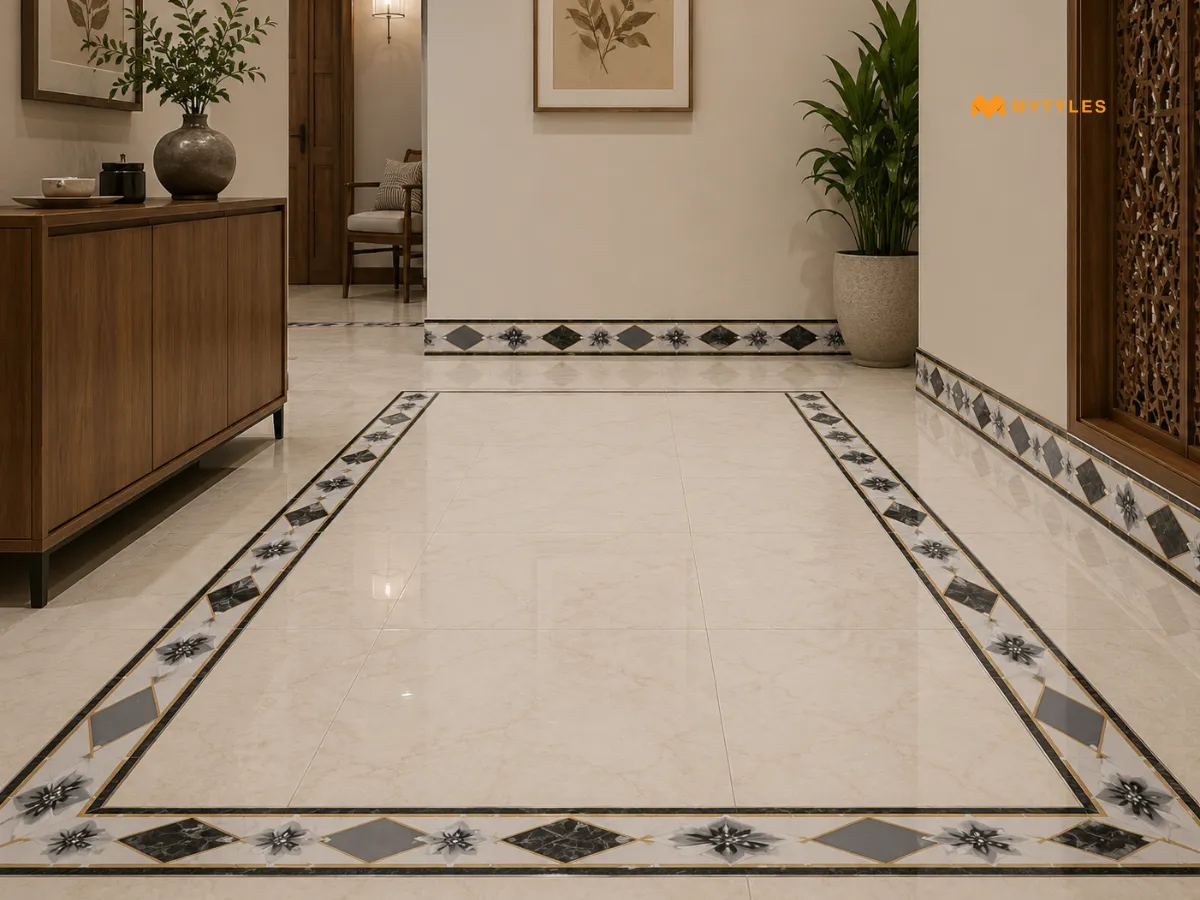
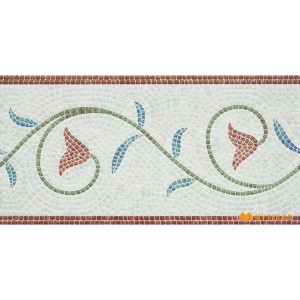
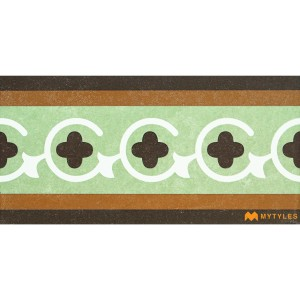
Skirting and floor borders are not the same. Skirting is the vertical strip fixed along the lower wall, where the floor meets the wall. A floor border is a horizontal strip placed within or around the floor layout. Use decorative skirting when you want the wall base to look finished. Use a floor border when a plain floor needs a clear frame or design line.
Skirting should match the room, not just the floor. Before choosing, check the floor tile, wall color, doors, furniture and cleaning needs. Also look at the skirting height, tile thickness, cut edges and corner finish. If the skirting is too thick, badly cut or not aligned with the floor tile size, the room edge can look unfinished instead of neat.
Skirting height should feel right for the room. A very short skirting may not protect the wall enough, while a very tall one can look heavy. Tile skirting height ideas usually depend on the room size, tile size and wall finish. As a common design reference, many homes use skirting around 3–4 inches, which is about 75–100 mm. This is not a fixed rule. Larger rooms, bigger floor tiles or wider wall bases may need a slightly taller skirting, while compact rooms usually look better with a slimmer one.
Good skirting tile installation ideas should consider the floor tile thickness, skirting height, wall level and edge finish. Also check how the skirting will meet door frames, corners and furniture edges. These details affect the final finish and help avoid uneven cuts, visible gaps and awkward grout lines at the wall base.
Skirting tiles are small, but they can change how finished a room looks. They protect the lower wall, hide floor edges and make cleaning easier. For a simple home, matching skirting is usually enough. Check out some of the best tile skirting designs for Indian homes on MyTyles. See how they work with your main floor tile so the room edge does not look like an afterthought. Compare designs online, or visit the MyTyles Experience Centre to see how the skirting sits with floors, walls and corners.
Skirting tiles protect the lower part of the wall from mop water, dust, shoe marks and furniture scratches. They also cover the joint where the floor meets the wall. In Indian homes, living room skirting tiles help prevent stains caused by regular sweeping and mopping while giving the floor edges a neat finish.
There is no fixed height for tile skirting. As a common design reference, many homes use 3–4 inches, which is about 75–100 mm. The right height depends on the room size, floor tile format and wall protection needed. It should cover the lower wall without making the room edge look heavy.
Skirting tiles can match the floor tiles to create a clean and continuous appearance. This is a practical choice for most rooms. You can also choose a contrasting design when the flooring is plain and needs a defined border. The skirting colour and pattern should complement the walls, doors and furniture.
Yes, floor tiles can be cut and used for skirting. This creates a coordinated finish and reduces the risk of colour or pattern differences. It also gives you more flexibility when exploring bedroom skirting tile designs. The cut edges should be polished properly, and the tile thickness, alignment and corner cuts must be checked during installation.
Vitrified, ceramic, marble-look, stone-look and wood-look tiles are suitable for skirting. The right option depends on the room, flooring and maintenance needs. Matching vitrified tiles work well in common areas, while wood-look tiles can create a warmer appearance. For moisture-prone spaces, choose stain-resistant and easy-to-clean surfaces.
Skirting tiles are useful in bathrooms and kitchens because these areas are exposed to water, stains, spills and frequent cleaning. Bathroom skirting tiles help protect the lower wall from moisture. Practical kitchen skirting tile ideas usually include smooth tiles that are easy to wipe and do not trap grease or dirt. Proper fixing, sealing and waterproofing are also important.
Skirting tiles are installed along the lower section of the wall after checking the floor level and preparing the wall base. The tiles are measured, cut, fixed with suitable adhesive and finished with grout. Corners, door frames and uneven walls require accurate cutting. Proper alignment creates a straight and clean floor-to-wall joint.
Nabiya Naqvi
₹800.00 / Piece

₹800.00 / Piece
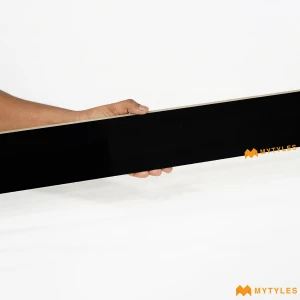
₹800.00 / Piece
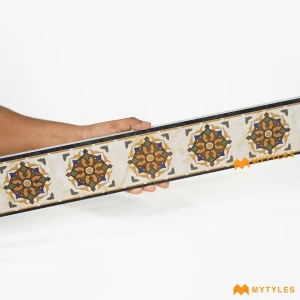
₹800.00 / Piece
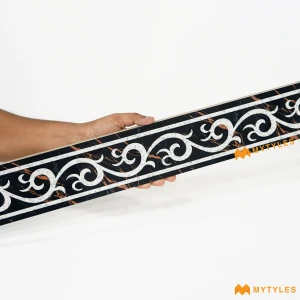
₹800.00 / Piece

₹800.00 / Piece
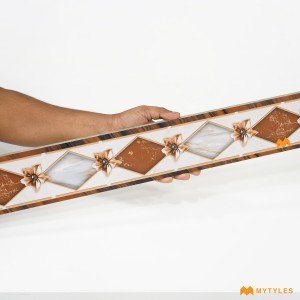
₹800.00 / Piece
₹325.00 / Sq.Ft
₹325.00 / Sq.Ft
₹155.00 / Sq.Ft
₹155.00 / Sq.Ft
₹155.00 / Sq.Ft
₹155.00 / Sq.Ft

₹155.00 / Sq.Ft

₹155.00 / Sq.Ft

₹185.00 / Sq.Ft

₹125.00 / Sq.Ft
₹125.00 / Sq.Ft

₹99.00 / Sq.Ft
₹115.00 / Sq.Ft

₹115.00 / Sq.Ft

₹115.00 / Sq.Ft
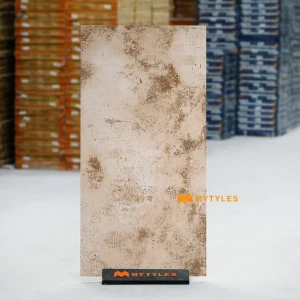
₹138.00 / Sq.Ft
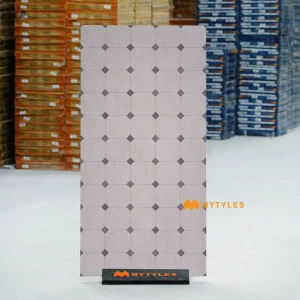
₹138.00 / Sq.Ft
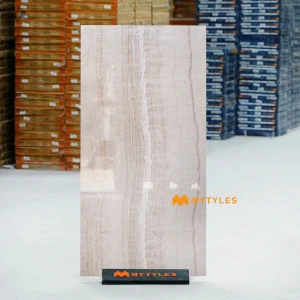
₹95.00 / Sq.Ft
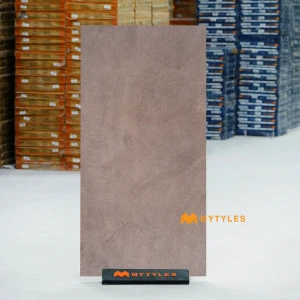
₹98.00 / Sq.Ft
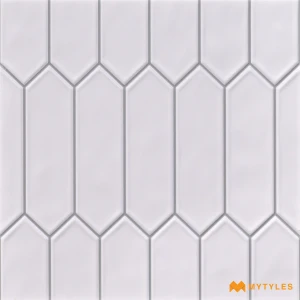
₹148.00 / Sq.Ft
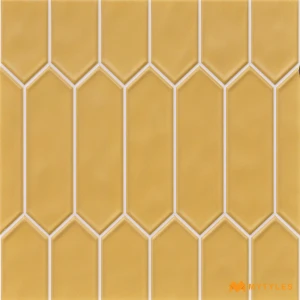
₹148.00 / Sq.Ft
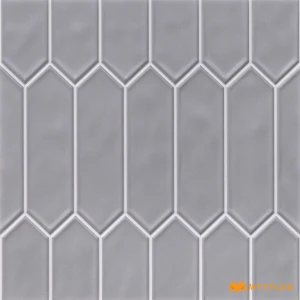
₹148.00 / Sq.Ft
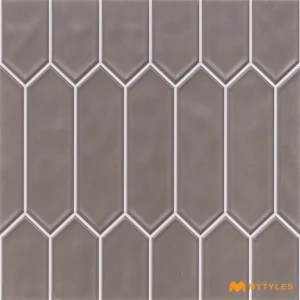
₹148.00 / Sq.Ft
₹148.00 / Sq.Ft
₹148.00 / Sq.Ft
₹148.00 / Sq.Ft