ByNandana Priya
Mon , Nov 23 , 2026
Read Time: 5 Min

Some walls make you pause, not because something is wrong, but because they have a detail you do not see every day.
Mirror tiles are usually noticed for the small reflective details worked into their patterns. You may see a round mirror inside a floral design, a triangle between carved details, or several mirror pieces arranged across the tile.
Light reflects from the small mirror pieces, making the detailing more noticeable on the wall. The effect also changes with the shape and placement of the mirror pieces.
Read along to see how these mirror finish tiles bring light, depth, and dimension into everyday spaces.
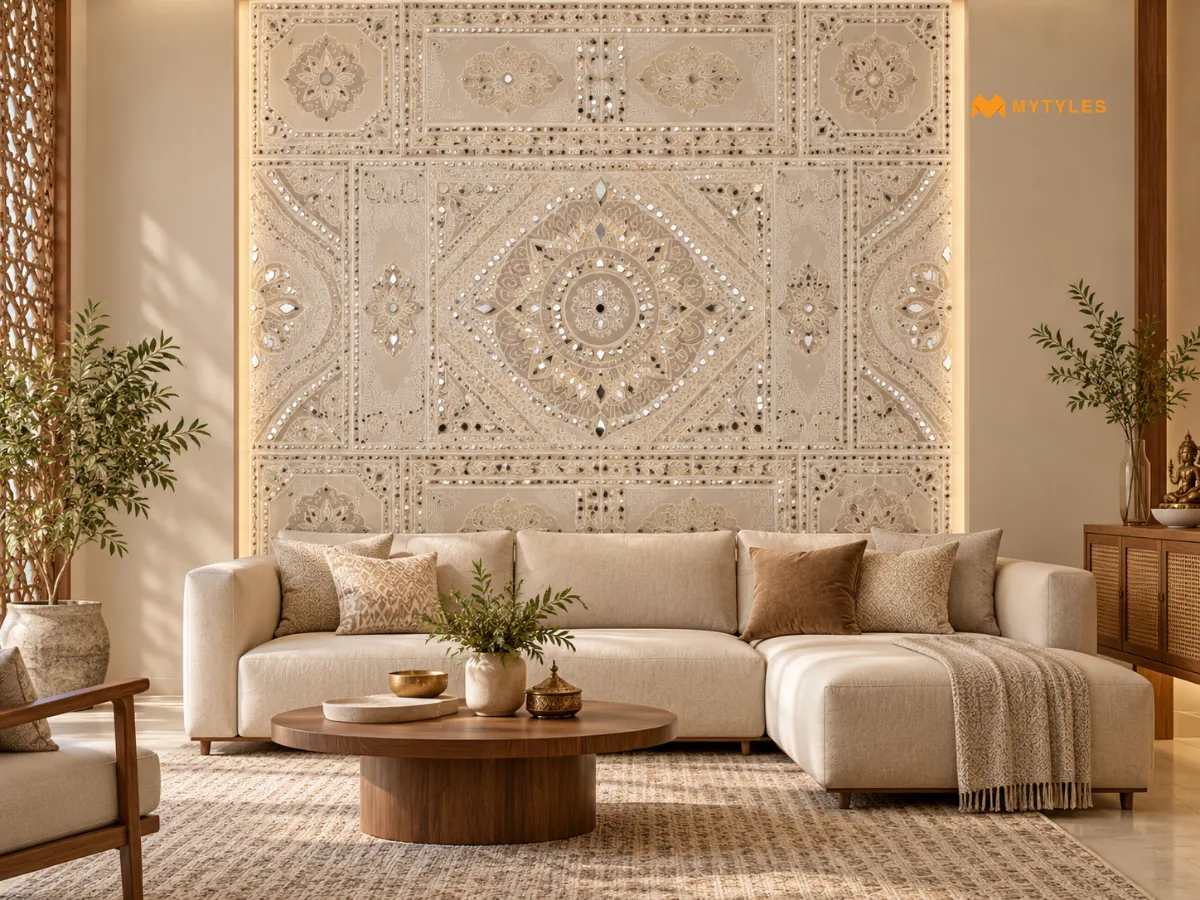
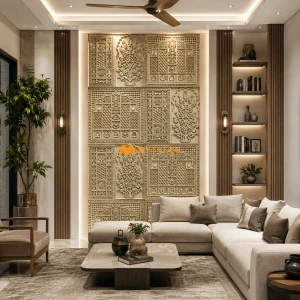
An accent wall is often one of the first things you notice when you enter a living room. A mirror wall tile design tends to work well behind a sofa, around a media unit, or as a standalone panel on an otherwise plain wall.
Tip: A mirror tile accent wall tends to stand out more against a plain, matt finish wall around it. The contrast between the surfaces draws the eye toward the feature.
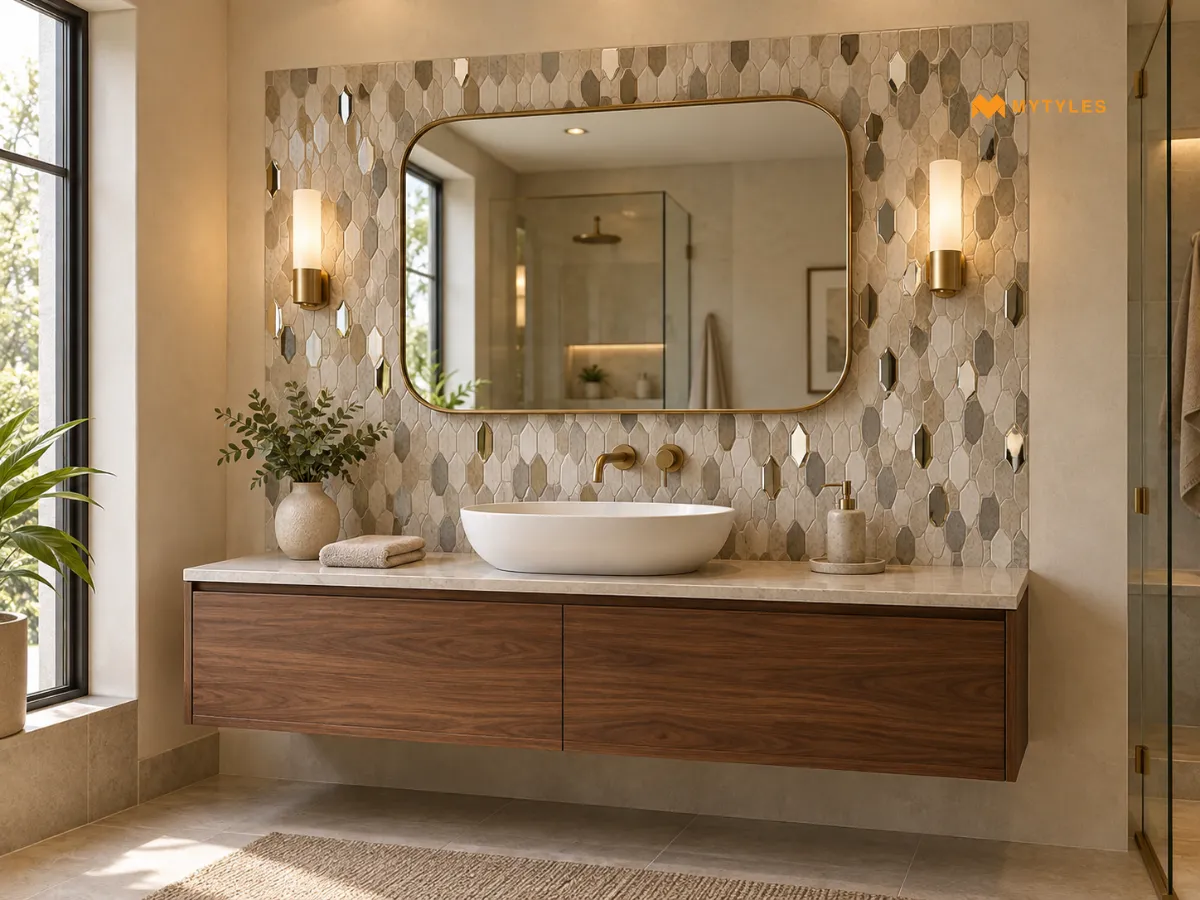
A bathroom vanity is a small space. Mosaic mirror tiles can make this everyday space a bit more interesting. They can reflect some of the available light, making the reflection more noticeable around the vanity. Mirror mosaic wall designs can be used as a border if you want to keep the mirror detailing within a smaller area than as a full wall. A warm light near the mirror is another option to consider here.
Tip: For bathroom use, check whether the chosen tile is suitable for the intended area, especially where it may come into contact with water. Tiles and grout should not be treated as a substitute for waterproofing.
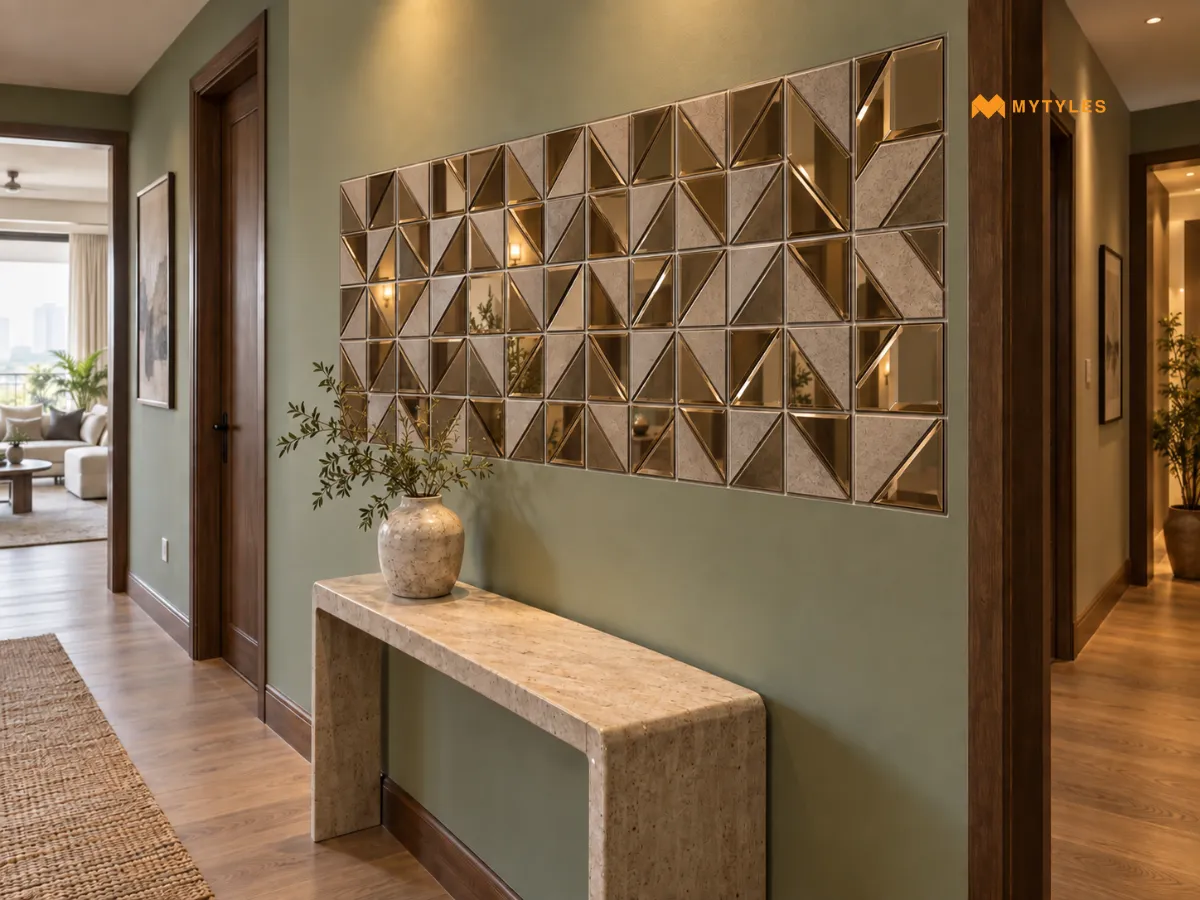
Hallways are usually seen while you are moving from one room to another. They are easy to overlook, but a small amount of attention here can make the space more distinctive. Bevelled mirror tiles along a hallway wall add reflective edges that change slightly as you walk past them. The defined edges can add more detail to an otherwise simple hallway wall.
Tip: Diamond bevelled mirror tiles can be placed around eye level when it suits the hallway layout. In a narrow hallway, you can also limit the tiles to a smaller wall section instead of covering the full wall.
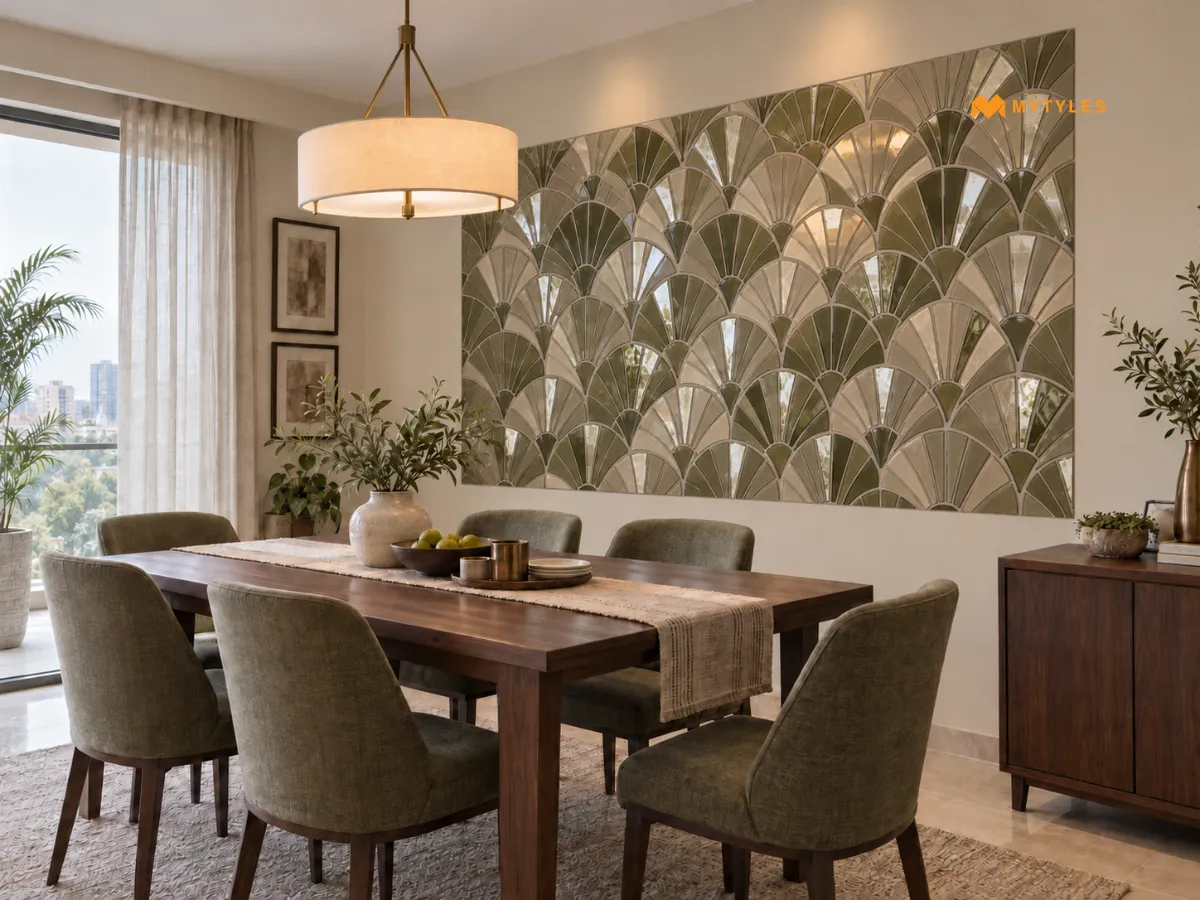
A dining space can be made more distinctive with a section of glass mirror tiles. They can be placed along the wall facing the table. The tiles can reflect light from a nearby chandelier or pendant fixture. How noticeable the reflection appears will vary with the placement and angle of the mirror pieces. A glass mirror mosaic breaks the reflection into smaller sections. This also makes the individual pieces more noticeable within the pattern.
Tip: Place the tiles where they can pick up light from the dining area. Avoid placing them where strong direct light may cause uncomfortable glare.
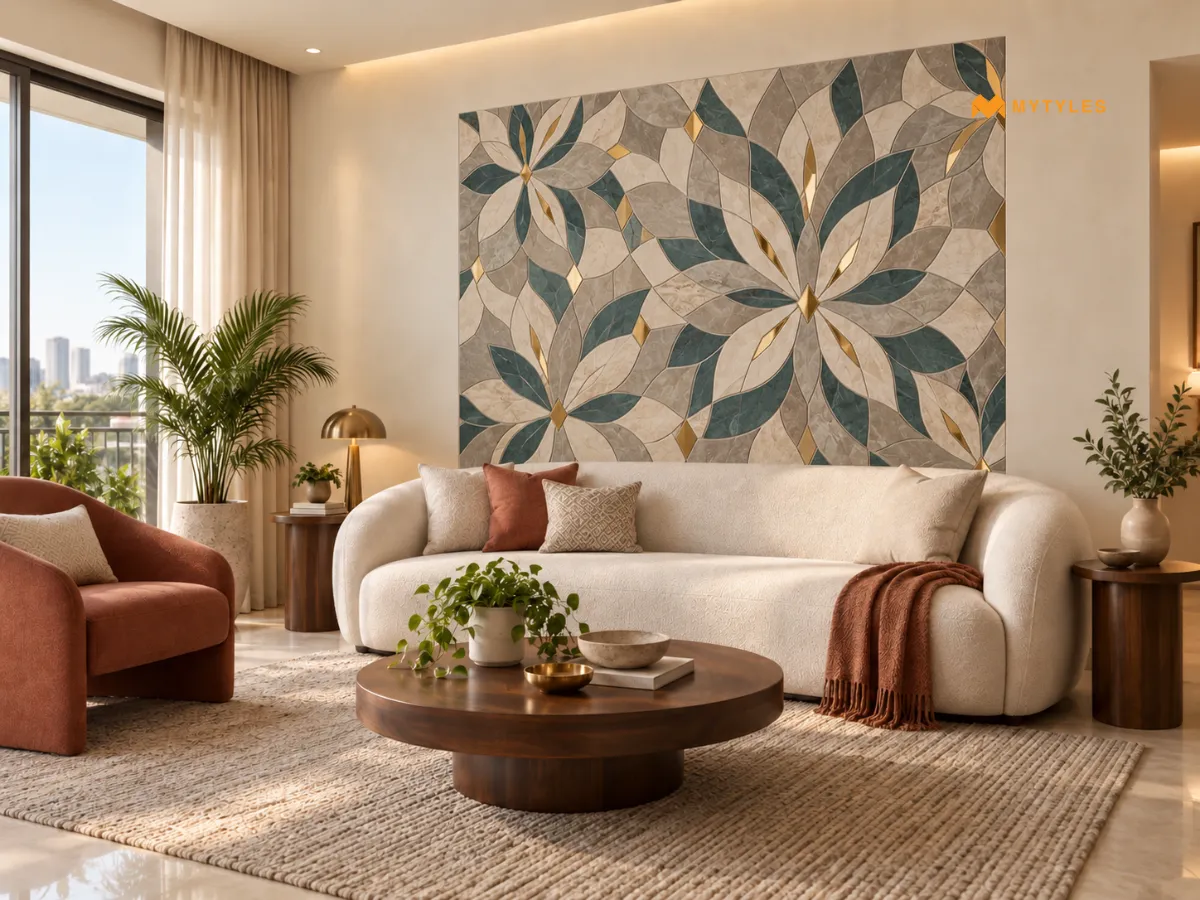
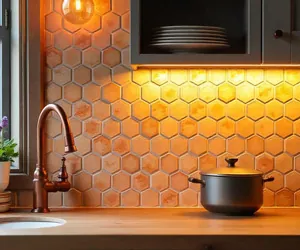
Gold details add a warm metallic tone along with the reflective quality of the mirror surface. Gold mirror tiles can be placed behind a console in the foyer or on a living room feature wall. Gold hexagon mirror tiles add a geometric element to the wall. The reflections across the repeated shapes can vary with the lighting and where you view them from. For finer detailing, you could instead go with gold mosaic mirror tiles.
Tip: Keep the gold detailing within one defined section of the wall. See the tile in natural and artificial lighting before buying.
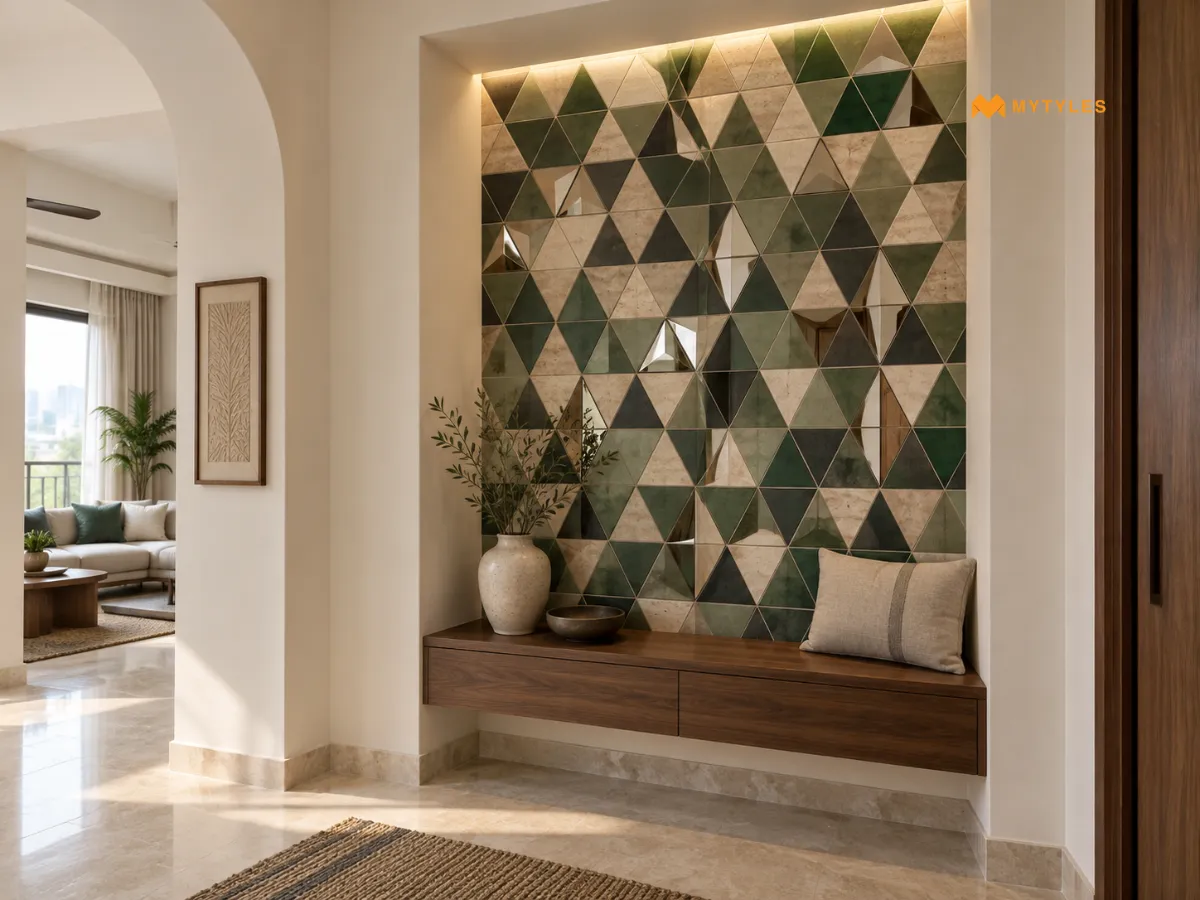
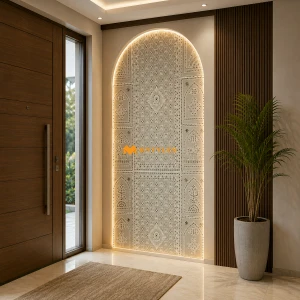
A small niche in a living room, foyer, or passage can hold a defined section of geometric mirror tiles. The limited wall area allows the shapes and reflective details to remain noticeable without extending the design across the entire room. Triangle mirror tiles are one option if you want the shape itself to form part of the pattern.
Tip: Measure the niche before choosing the tile so the main parts of the geometric design remain visible after cutting.
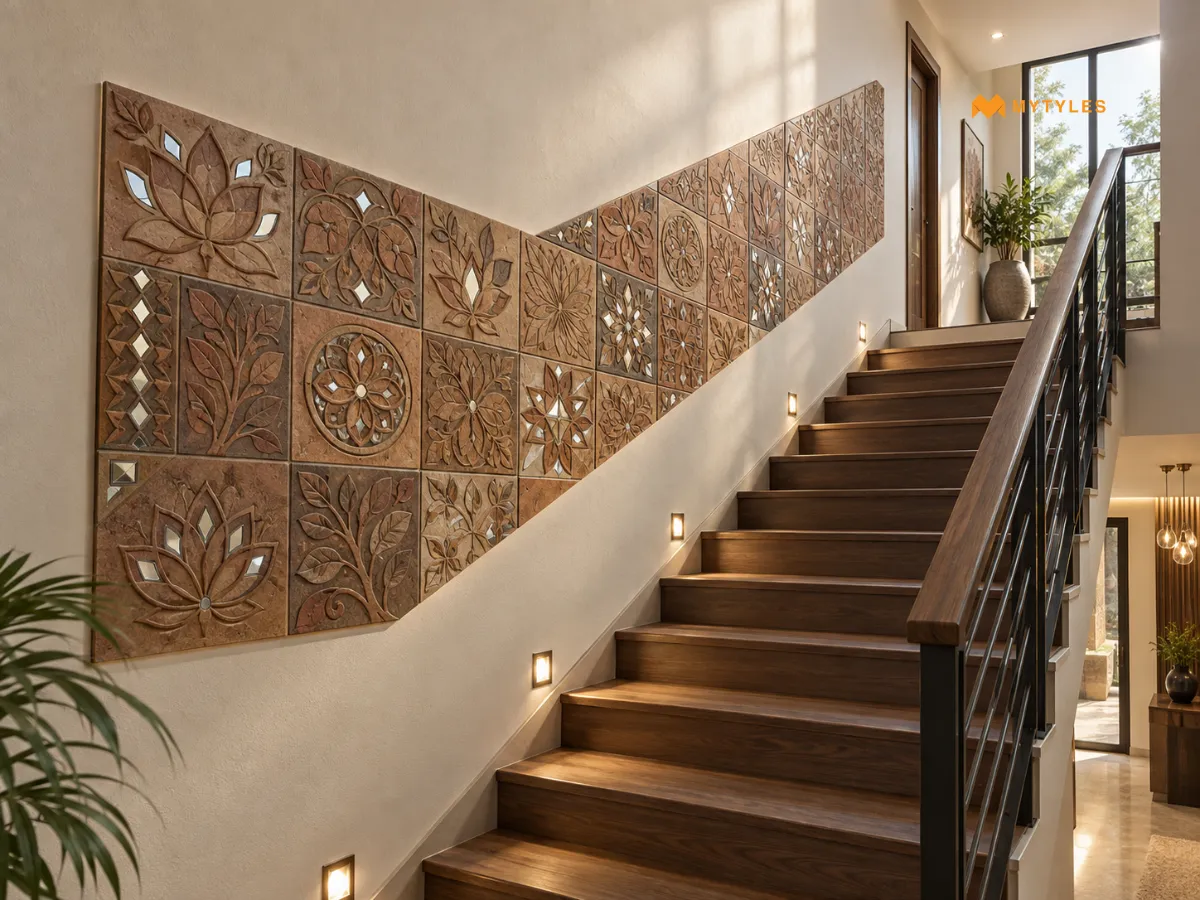
The wall along the stairs is seen from different heights as you move between floors. That leaves room to try decorative mirror wall tiles in a smaller section. The mirror pieces may sit within floral details, carved patterns, or other decorative forms. You can keep the arrangement simple or repeat it further along the wall.
Tip: Look at the selected tile position from both ends of the staircase before finalising the placement.
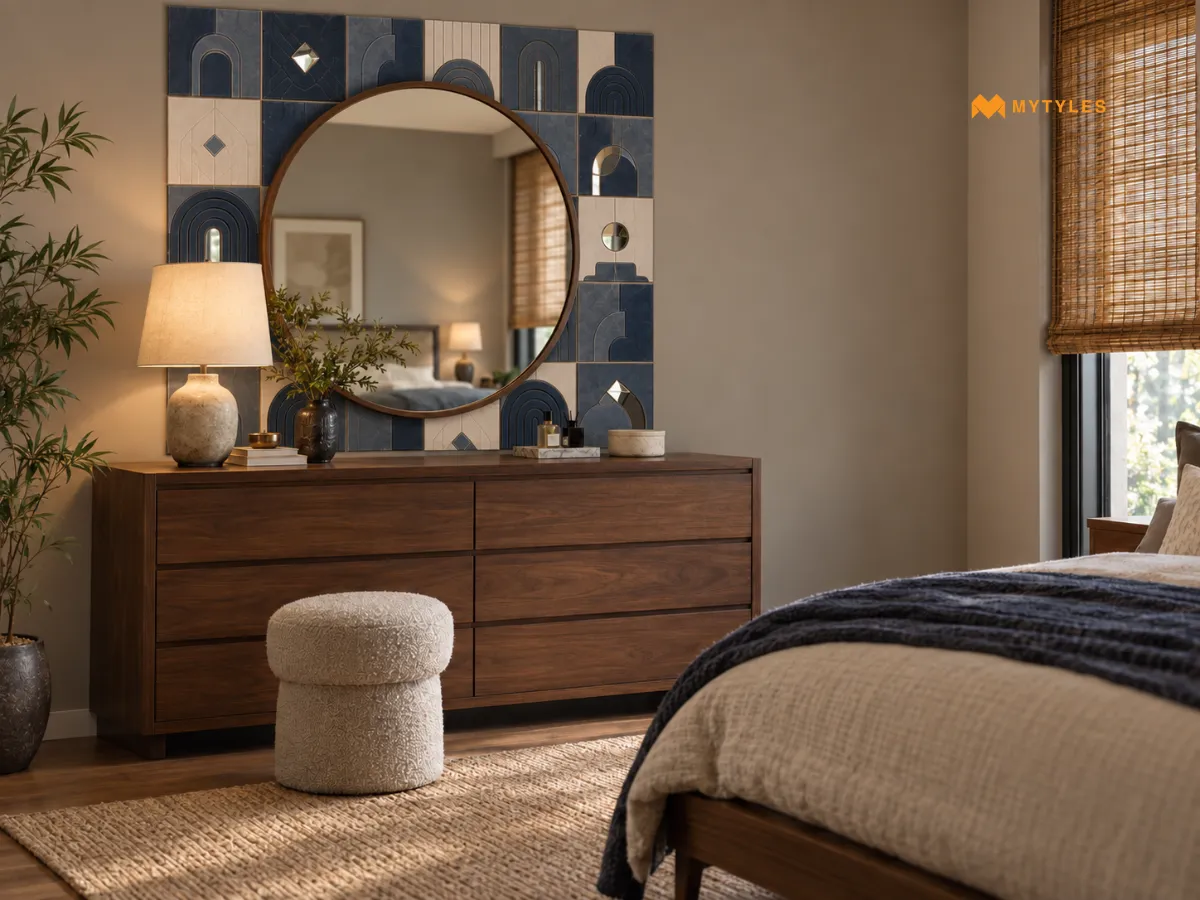
A dresser already has a mirror in most bedrooms. The wall behind or beside a bedroom dresser gives you another place to use mirror detailing. Square mirror tiles can be arranged beside the dresser or across a smaller section behind it. Keeping the pieces in a simple grid also gives the wall a different direction.
Tip: Check where the dresser and main mirror will sit first. You will then know how much wall space is actually available for the tiles.
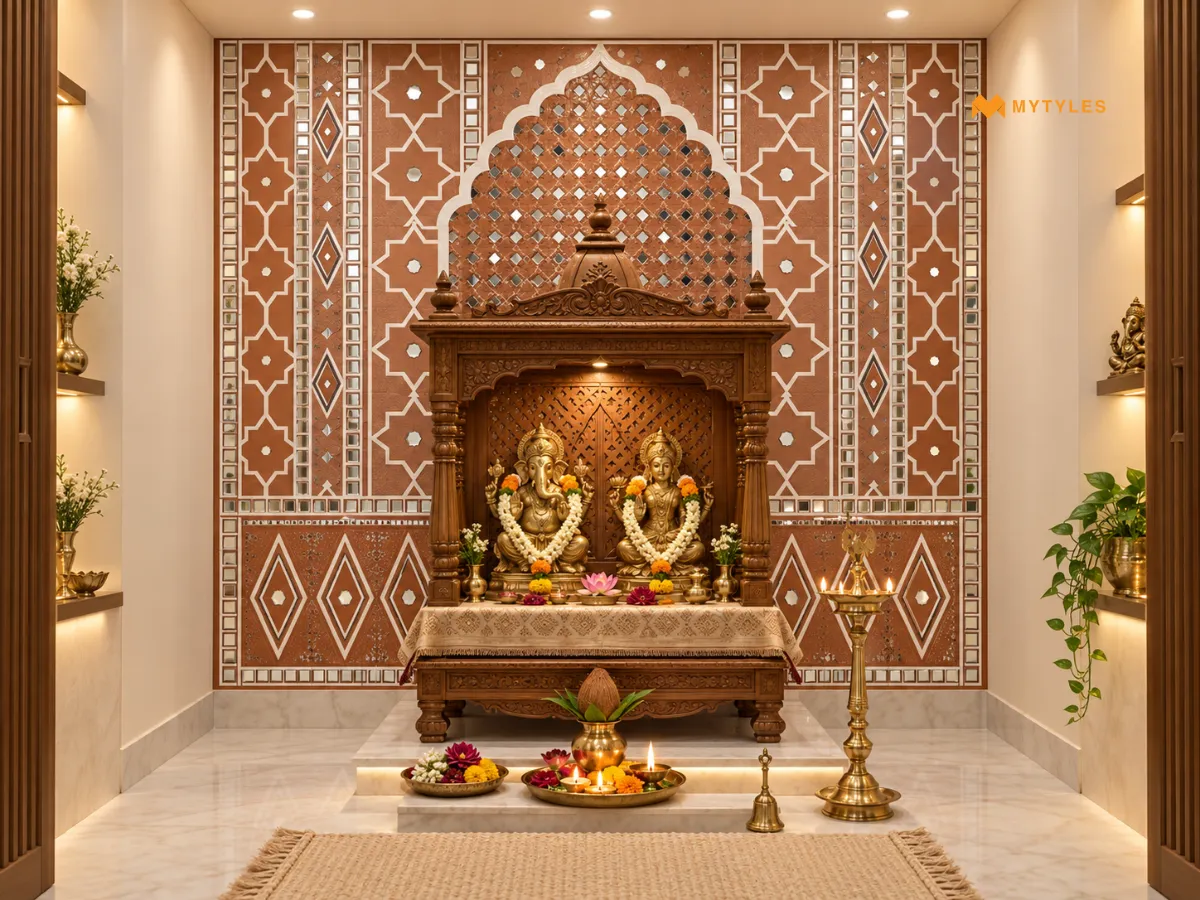
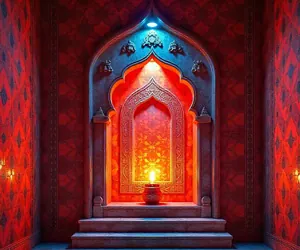
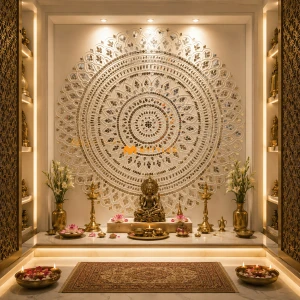
The wall behind the mandir usually gets the most attention in a pooja room. Mirror finish tiles in floral or spiritual motifs can be used here as a backdrop. Check the size of the mandir before planning the tile layout. Keep the tile away from direct flame or strong heat, and follow the product’s installation guidance.
Tip: If the mandir already has detailed carving or decoration, consider a simpler mirror tile pattern so both designs remain clearly visible.
Mirror tiles can change considerably from one design to another. Some focus on smaller mirror details worked into a pattern, while others carry the design across a larger wall area. From living rooms and dining areas to hallways and pooja rooms, there are several directions to consider.
At MyTyles, you can compare mirror tiles in different patterns, formats, and the amount of reflective detailing within each design. Browse the range on our website or visit the experience centre to see how the mirror pieces and surface details look in person.
Mirror finish tiles can be used in small rooms when the selected product is suitable for the intended wall. Their reflective surface can make light and nearby objects more noticeable, so placement matters. Instead of covering every wall, they may be used on a smaller feature section. Consider room lighting, surrounding colours, furniture, and the amount of reflection you want.
Installation requirements for mirror tiles for wall applications can differ depending on the tile material, size, backing, and substrate. The wall should be suitably prepared, and the fixing method should be compatible with the selected product. Before installation, check the manufacturer's guidance for adhesive, joint spacing, handling, cutting, and edge treatment rather than following a standard method for every mirror tile.
Mosaic mirror tiles generally use multiple smaller pieces arranged together to create a repeated or decorative surface. Glass mirror tiles describe products made using glass with a reflective mirror effect and may come in individual or mosaic formats. Since these terms describe different aspects of a tile, check the material, construction, dimensions, and product format when comparing them.
Yes. Mirror tiles can be considered for living rooms, bedrooms, foyers, dining areas, and other interior walls when the selected product is recommended for that application. They may be used across feature walls, niches, or smaller decorative sections. Consider the surrounding lighting, furniture, wall dimensions, and amount of reflection before deciding where and how extensively to use them.
Maintenance can differ between flat and bevelled mirror tiles, but it depends on the individual design and installation. Bevelled edges create additional angled surfaces where dust, fingerprints, or residue may become noticeable. Cleaning access also depends on the tile size and joint layout. Follow the care instructions provided for the selected tile rather than using abrasive cleaners or tools.
The exact sizes of mirror tiles for interior walls depend on the individual product and design. Square, rectangular, mosaic, hexagonal, and other geometric formats may use different dimensions. Rather than assuming a standard mirror tile size, check the measurements of the selected product and compare them with the wall dimensions, layout, corners, switches, and other interruptions before planning installation.
A mirror tile accent wall can reflect the light already present in a room, but it does not create additional light on its own. The result depends on where the wall sits in relation to windows and artificial lighting. Before choosing the location, consider what the mirrored surface will reflect and how noticeable those reflections will be from different parts of the room.
Aditi Bardhan
₹35,000.00 / Set
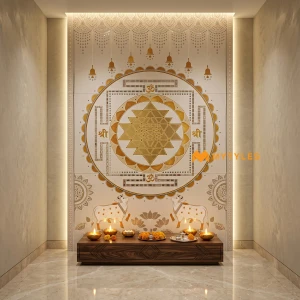
₹35,000.00 / Set
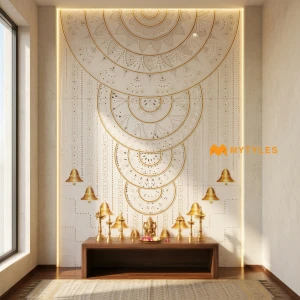
₹35,000.00 / Set
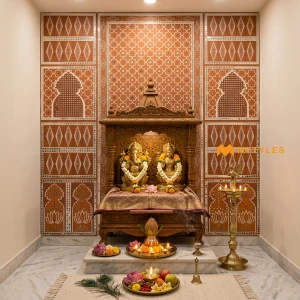
₹46,500.00 / Set
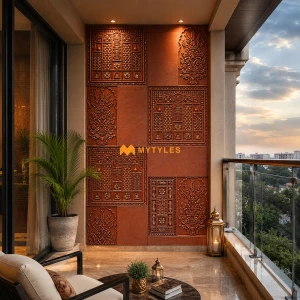
₹53,500.00 / Set
₹53,500.00 / Set
₹28,500.00 / Set

₹45,500.00 / Set
₹53,500.00 / Set
₹85.00 / Sq.Ft
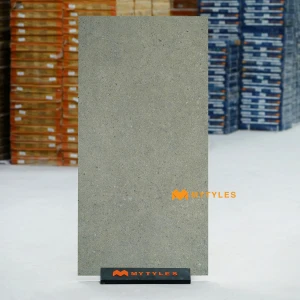
₹108.00 / Sq.Ft
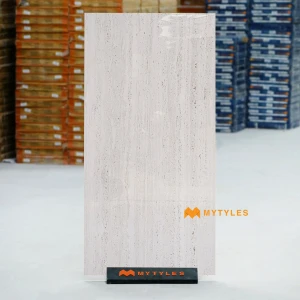
₹85.00 / Sq.Ft
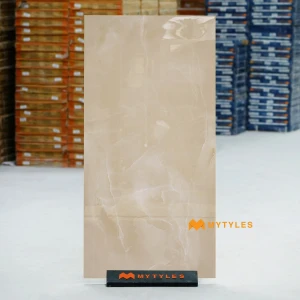
₹95.00 / Sq.Ft
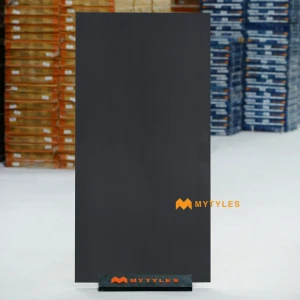
₹165.00 / Sq.Ft
₹105.00 / Sq.Ft
₹105.00 / Sq.Ft
₹105.00 / Sq.Ft
₹110.00 / Sq.Ft
₹99.00 / Sq.Ft
₹99.00 / Sq.Ft
₹118.00 / Sq.Ft
₹118.00 / Sq.Ft
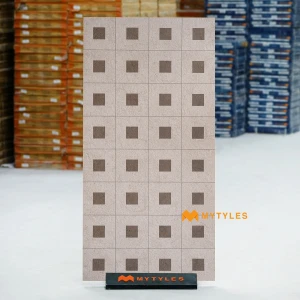
₹118.00 / Sq.Ft
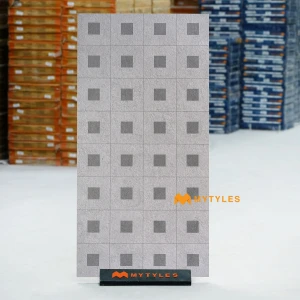
₹118.00 / Sq.Ft
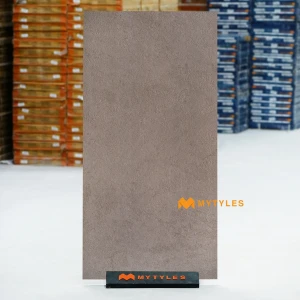
₹118.00 / Sq.Ft
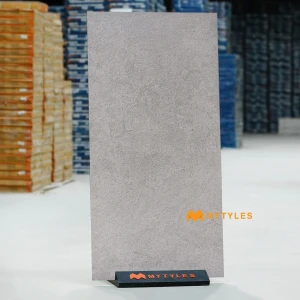
₹118.00 / Sq.Ft
₹118.00 / Sq.Ft
₹118.00 / Sq.Ft
₹138.00 / Sq.Ft
₹138.00 / Sq.Ft
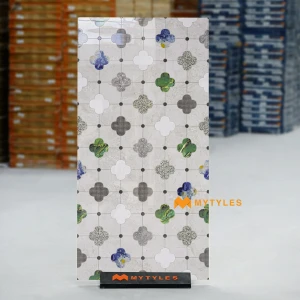
₹105.00 / Sq.Ft
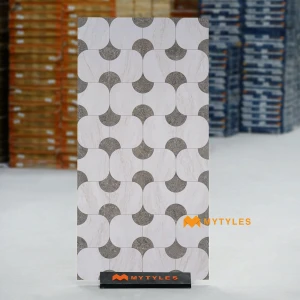
₹105.00 / Sq.Ft
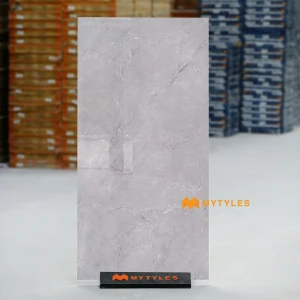
₹98.00 / Sq.Ft

₹105.00 / Sq.Ft