.svg)


Metal Tile Beading for Edges, Corners and Premium Finishing
ByNabiya Naqvi

Wed , Jun 10 , 2026

Read Time: 5 Min


 Copied!
Metal tile beadings cover exposed tile edges and corners. It gives tiles a clean finish and protects them from damage. The visible rough tile sides look awful, but installing the trim gives neat edges. These trims are used in bathrooms, kitchens, staircases, and feature walls. These tile beadings, along with improving the complete look, add life to the tiles and increase their durability. The different colors and finish options make it easy to match the trim with tile designs. Now, let’s understand the importance of metal beadings, the various varieties, and how you can use them.
Why Metal Tile Beading Matters For Edges And Corners
The surface of the tile is very durable, but the edges are not. The tile surfaces at bathroom corners, kitchen walls, and staircase edges face regular use and exposed edges can begin to chip or crack over time. These areas are safeguarded from harm by metal tile edge trim, which protects them from damage. The uneven edges of the tiles spoil the appearance of the designer tiles. The clean tile endings and finished corners make the installation look refined. The addition of a simple trim creates straight lines, smooth corners, and a balanced finish to the space.
Best Uses Of Metal Tile Beading In Bathrooms, Kitchens, And Walls
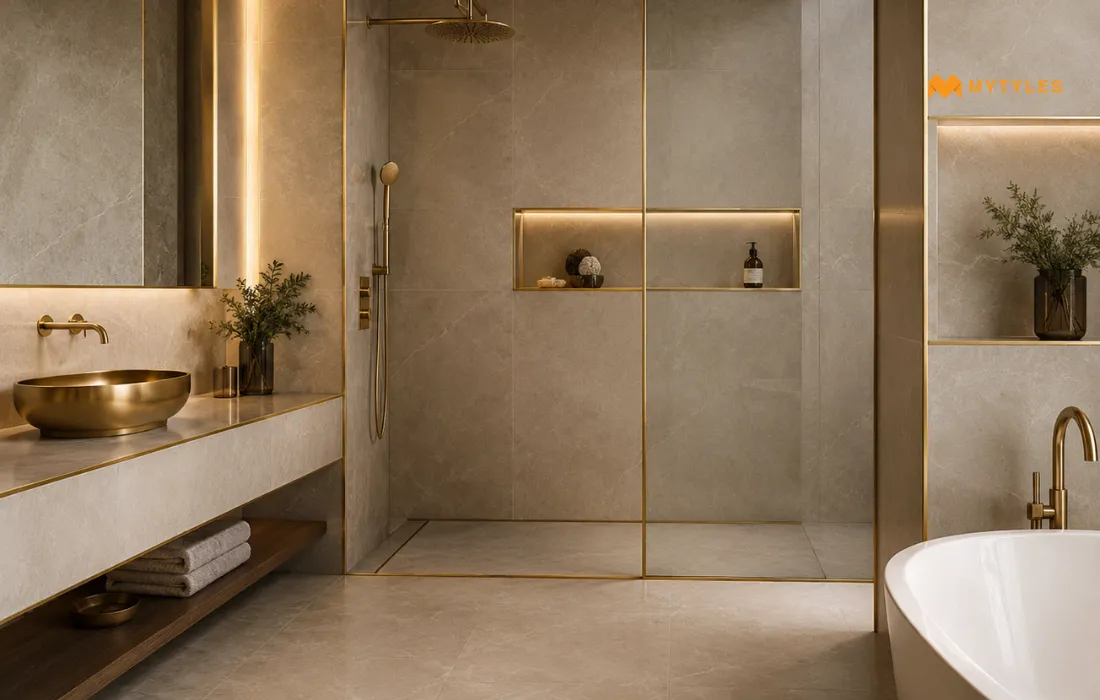
Metal tile beadings are not specific in area usage. But some spaces, such as bathrooms and kitchens, are more vulnerable to tile damage because of moisture. They can be used on the room walls to make them look more appealing. Let’s discuss in brief the metal tile beading used in each area:
Bathrooms
People most commonly use metal bathroom tile trim in the shower corners, wall edges, and recessed shelves that are exposed to moisture. Introducing stainless steel trims that are moisture-resistant and easy to maintain is beneficial to protect the exposed areas and reinforce symmetry with other bathroom elements.
Kitchens
Metal kitchen tile edge trims are used for backsplashes, tiled counters, and wall corners. The covered tile edges give the kitchen a sharp finish. The minimalistic modern kitchens with black and brushed steel trims are a great complement to the neutral tiles and matt fittings.
Walls
Metal tile beading is used on feature walls and TV units where tiled surfaces need attractive, clean, protected borders. These tile beadings are used for the graphic effect on walls. The stainless steel beading adds bling to the edges and gives a sophisticated appearance to the walls.
Metal Tile Beading For Edges Vs Corners: What’s The Difference?
Clean edges and sharp corners can completely change the final look of a tiled surface, but metal tile beading isn’t one size fits all. Understanding where tile beading for edges ends and corner beading begins helps create a stronger, more polished result.
Aspect | Metal Tile Beading For Edges | Metal Tile Beading For Corners |
|---|---|---|
Purpose | Used to protect and finish exposed tiles neatly | Used to protect and reinforce tile corners from damage and chipping. |
Placement | Installed along the outer edges of tiled surfaces. | Installed where two tiled surfaces meet at a corner. |
Common Areas | Tile ends, wall borders, countertops, backsplash edges, and stair edges. | External wall corners, bathroom niches, columns, and step corners. |
Functionality | Creates a clean edge transition and prevents exposed tile sides. | Provides impact protection and creates smooth corner transitions. |
Safety Benefit | Reduces sharp tile edges along exposed sides. | Prevents corner damage and minimises sharp corner impact. |
Design Impact | Enhances the overall finishing and framing of tiled areas. | Adds structural definition and continuity to tiled corners. |
Stainless Steel vs Aluminium Tile Beading
When choosing tile beading, the material plays a bigger role than most people expect. Stainless steel and aluminium beading are physically alike, but they differ in properties such as strength, appearance, maintenance, and performance across different spaces and tile designs.
Feature | Stainless Steel Tile Beading | Aluminium Tile Beading |
|---|---|---|
Durability | Highly durable and resistant to impact, scratches, and wear | Lightweight and moderately durable for residential use |
Moisture Resistance | Excellent resistance to water, rust, and corrosion | Good moisture resistance with protective coating |
Best Suited For | Bathrooms, kitchens, commercial spaces, and wet areas | Living rooms, bedrooms, feature walls, and dry interiors |
Appearance | Premium, sleek, and modern finish | Minimal, clean, and versatile appearance |
Maintenance | Low maintenance and easy to clean | Easy to maintain in low-moisture areas |
Strength | Stronger and suitable for high-traffic spaces | Suitable for light to moderate applications |
Finish Options | Brushed, polished, matt, and chrome finishes | Matt, anodised, powder-coated, and colored finishes |
How Metal Tile Beading Improves Tile Protection And Finishing
No matter how sturdy tiles are, if the edges are exposed, they are incomplete and can crack with no support. These areas are protected by metal beadings, which cover the sharp edges of tiles and protect the corners from everyday wear. This will help to reduce the broken edges, cracking and uneven surfaces that develop over time.
Quality tile finishing enhances the quality of tile installation. They help to ensure straight alignment, smooth transitions and uniform finishing along corners and edges. Another benefit of tile beading in bathrooms and kitchens is to stop moisture from getting to the unfinished edges of the tile. The designer's point of view is that the metal pieces provide shape and structure to tiled surfaces. They can lend a sophisticated appearance to interior spaces, from decoration to subtle details.
How To Match Metal Tile Trim With Your Tile Design
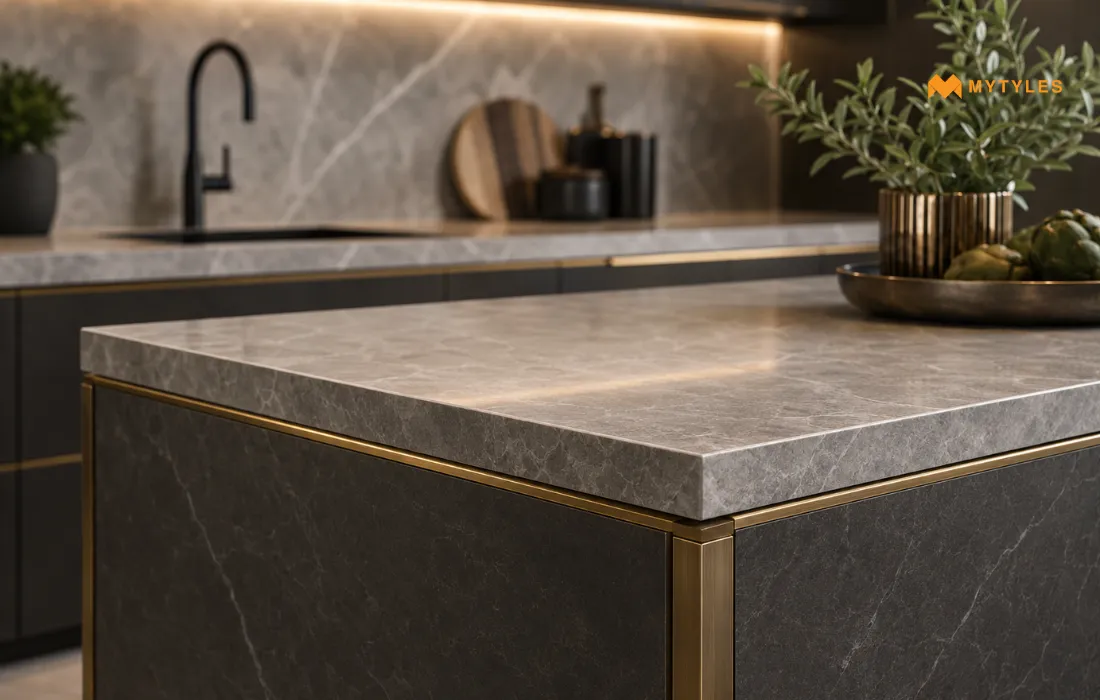
The tile trim complements the tile design and does not overshadow it. The interior will be balanced by matching the finish, color, and profile style with the tiles. Brushed stainless steel, matt black and slim aluminium trim are suitable for modern spaces with large format tiles.
In marble-look tiles or luxurious bathroom designs, brass and gold can be used to bring warmth and contrast. The profile also influences the final look. The square edge trims will provide a more angular and striking line in architecture; the round edge profiles will provide a more gentle line.
Also, it is important to match the trim thickness with the tile thickness to ensure a clean and even install. The right mix will ensure that the tiles, trims, and surrounding surfaces all fit together as a unified design.
Bring Durability To Your Tile Edges With Metal Beadings
Metal tile beading helps tiled spaces look cleaner, sharper, and more complete while protecting the edges from daily wear. Whether it’s a bathroom corner, kitchen backsplash, staircase edge, or feature wall, trims help prevent visible damage and improve the final finish. The right trim does more than protect the tiles. If you leave your tile edges unfinished, then that can be a safety hazard.
Metal tile beadings with an option of stainless steel, brass, and aluminium give you the flexibility to choose the one that suits your requirements and aesthetics. They enhance the tile designs and give them life. You can find some of the best options in tile beadings at MyTyles for adding professional detail to the tile designs in your space. We have comparable prices and deliver across all of India.

What Is The Purpose Of Metal Tile Beading?

Metal tile beading is used to protect exposed tile edges while creating a clean and professional finish. It prevents tiles from chipping, cracking, and wearing down over time, especially around corners and transitions. In addition to protection, metal beading enhances the overall appearance of tiled surfaces by providing straight, polished edges.
When Should Metal Tile Beading Be Used In Tile Installations?
Metal tile beading should be used whenever tile edges or corners remain exposed after installation. It is ideal for bathrooms, kitchens, staircases, wall corners, countertops, and commercial spaces where durability and appearance are important. Beading is especially recommended in high-traffic or moisture-prone areas to prevent tile damage.
What Are The Benefits Of Using Metal Tile Beading?
Metal tile beading offers several benefits, including edge protection, improved durability, and a premium visual finish. It helps prevent tile chipping, cracking, and damage caused by impact or daily wear. Metal beading also creates smooth, neat transitions between surfaces and enhances the appearance of tiled areas.
Why Is Protection For Metal Tile Edges Important?
Metal tile edge protection is important because exposed tile edges are more vulnerable to cracks, chips, and moisture damage. Without proper protection, tile corners can deteriorate over time due to accidental impacts and regular use. Metal edge profiles strengthen these areas while maintaining a clean and attractive finish.
How Does Metal Tile Beading Improve Tile Durability?
Metal tile beading improves tile durability by reinforcing exposed edges and corners that commonly experience wear and impact. The metal profile acts as a protective shield, reducing the chances of cracking, chipping, or loosening tiles over time. It also protects against moisture penetration in wet areas like bathrooms and kitchens.
What Types Of Metal Tile Beading Are Available?
Tile edge beading is available in several types designed for different applications and finishes. Common options include edge trim beading, corner beading, stair nosing profiles, transition strips, and decorative tile trims. These profiles are manufactured in materials like stainless steel, aluminium, brass, and chrome finishes.
Which Material Is Best For Tile-Edge Beading?
The best material for tile edge beading depends on the application, environment, and design requirements. Stainless steel is widely preferred because of its strength, corrosion resistance, and suitability for wet or high-traffic areas. Aluminium is lightweight, affordable, and ideal for residential interiors, while brass offers a luxurious decorative finish.

ABOUT THE AUTHOR
Nabiya Naqvi
Nabiya Naqvi is a content writer with a postgraduate background in chemical sciences and a strong passion for creative expression. Her journey into writing began with a love for storytelling and gradually grew into a professional path focused on interiors, home decor, and design-led content. With a keen interest in beautiful living spaces, Nabiya enjoys simplifying design ideas and making them relatable for everyday readers. Through her writing, she blends creativity, research, and an eye for detail to help homeowners understand how tiles, textures, and thoughtful material choices can transform a space.