ByBiren Agrawalla
Tue , Aug 18 , 2026
Read Time: 5 Min
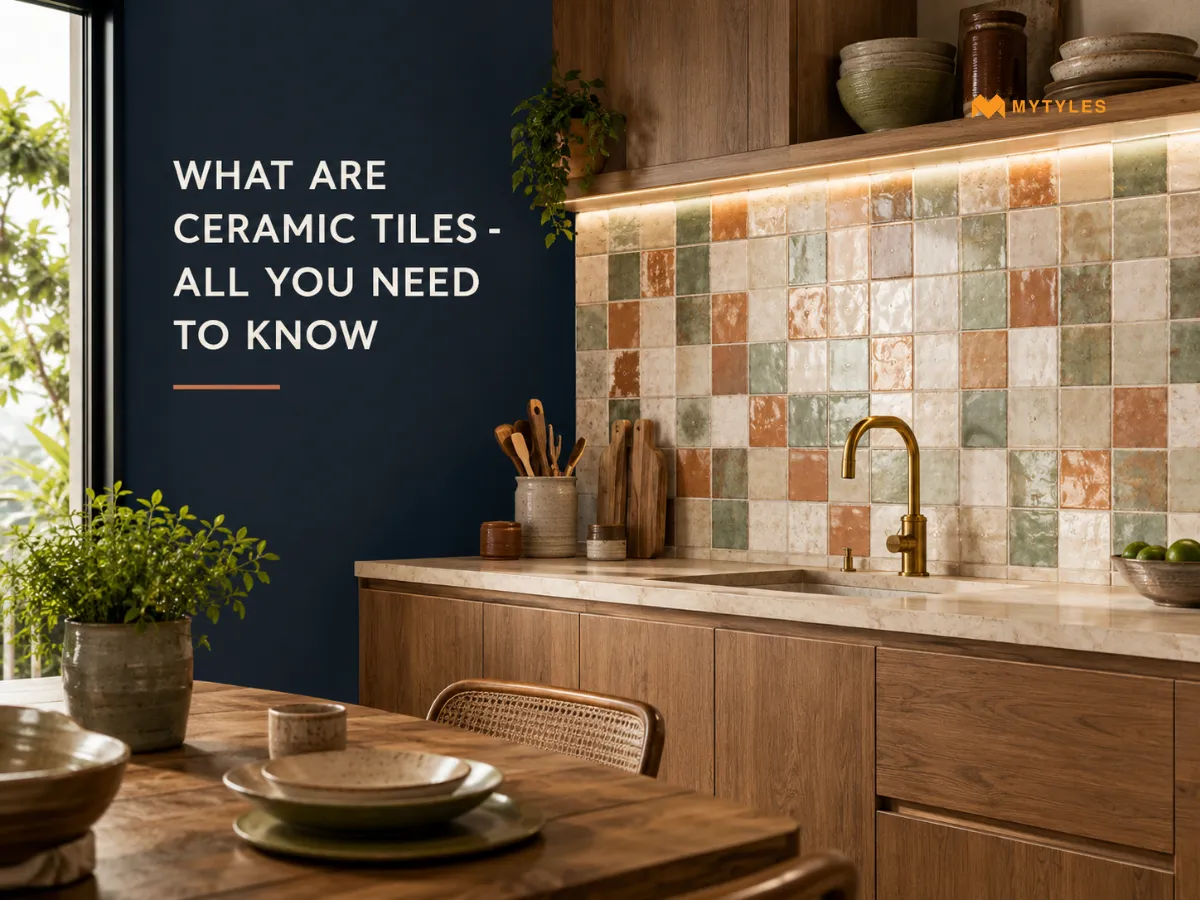
Ceramic tiles are one of those materials you rarely think about until you start renovating a home. Suddenly, they become everything. The color, the texture, the finish, the durability… every small detail matters. And that’s exactly why ceramic tiles have remained a favorite for decades. They’re reliable, budget-friendly, stylish, and incredibly easy to live with. If you’re renovating your old space or building a new one from scratch, ceramic tiles offer a simple solution that works well for everyday living.
Ceramic tiles handle moisture, stains, and regular foot traffic without much effort from your side, and that’s why they continue to be a top choice for homeowners, architects, and designers. But what exactly are ceramic tiles? How are they made? And what should you know before choosing them for your home? This guide explains every important detail in a clear, easy way so you can pick the right tiles with confidence.
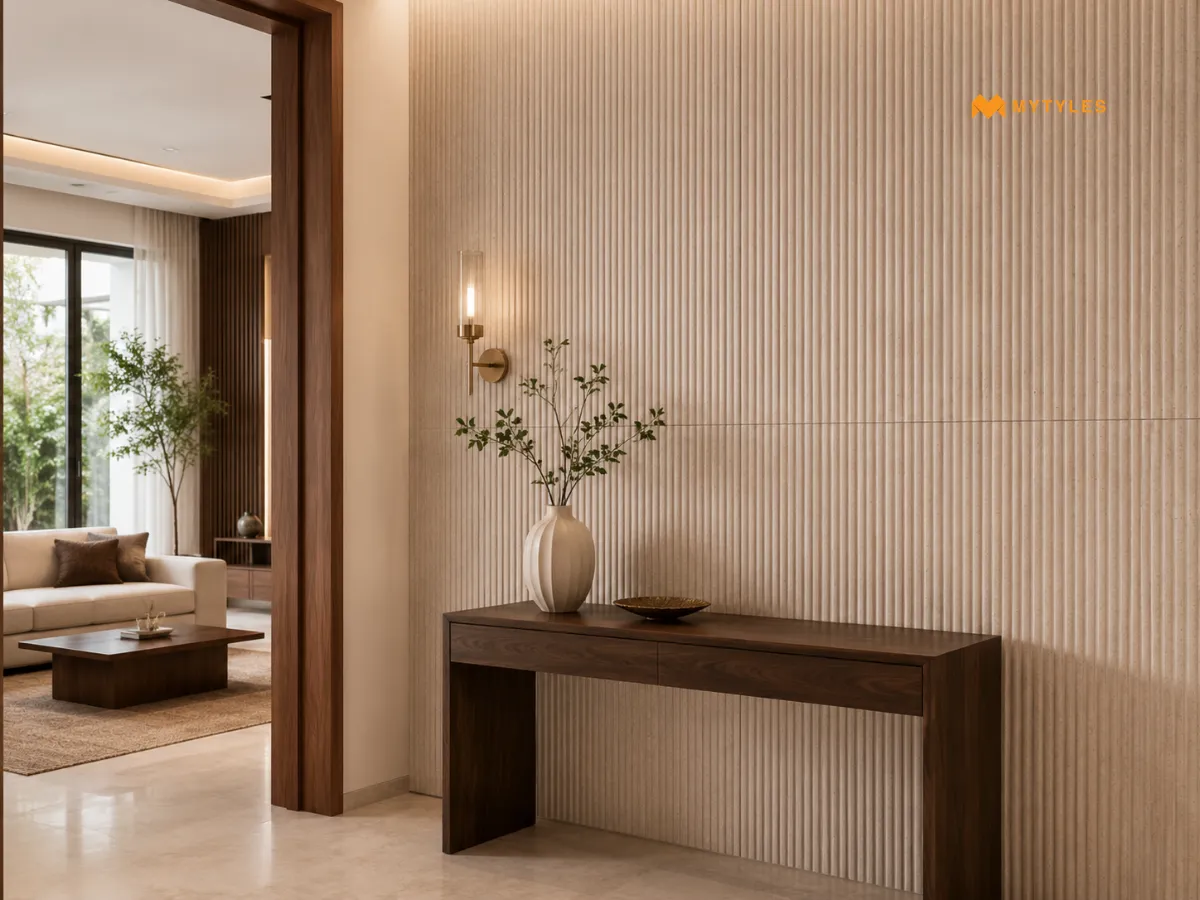
Ceramic tiles are manufactured using natural clay, sand, and water. These materials are shaped, dried, glazed (in most cases), and fired in kilns at high temperatures. The result is a stable, hard, and long-lasting surface suitable for walls, floors, countertops, and outdoor spaces. Ceramic tiles come in a huge variety of colors, textures, shapes, and finishes, making them one of the most versatile tile options on the market today.
Every ceramic tile is the result of a detailed manufacturing journey. Understanding each stage helps explain why tiles differ in quality, texture, and performance across various applications.
The process begins with clay, which can differ based on where it’s sourced from. Minerals like feldspar, bentonite, and glass are mixed with the clay. The mixture is then milled with water to form a slurry, dried, and turned into fine granules known as atomized clay.
The atomized clay is filled into molds and compressed using powerful hydraulic presses. This forms the basic tile shape, called the bisque. Its size and thickness are determined by the mold design.
The freshly molded bisques are delicate and must be thoroughly dried. This is done in vertical or horizontal dryers to remove remaining moisture.
Next, the tiles move to glazing lines, where decorative coatings are applied. Glaze is a glass-based mixture that melts and bonds to the surface during firing, adding color, patterns, and texture. Some tiles skip this step and remain unglazed.
Finally, tiles are fired in long tunnel kilns at very high temperatures. The heat strengthens the tile, sets its porosity, and fuses the glaze. Each clay type requires its own firing curve to achieve the right hardness and finish.
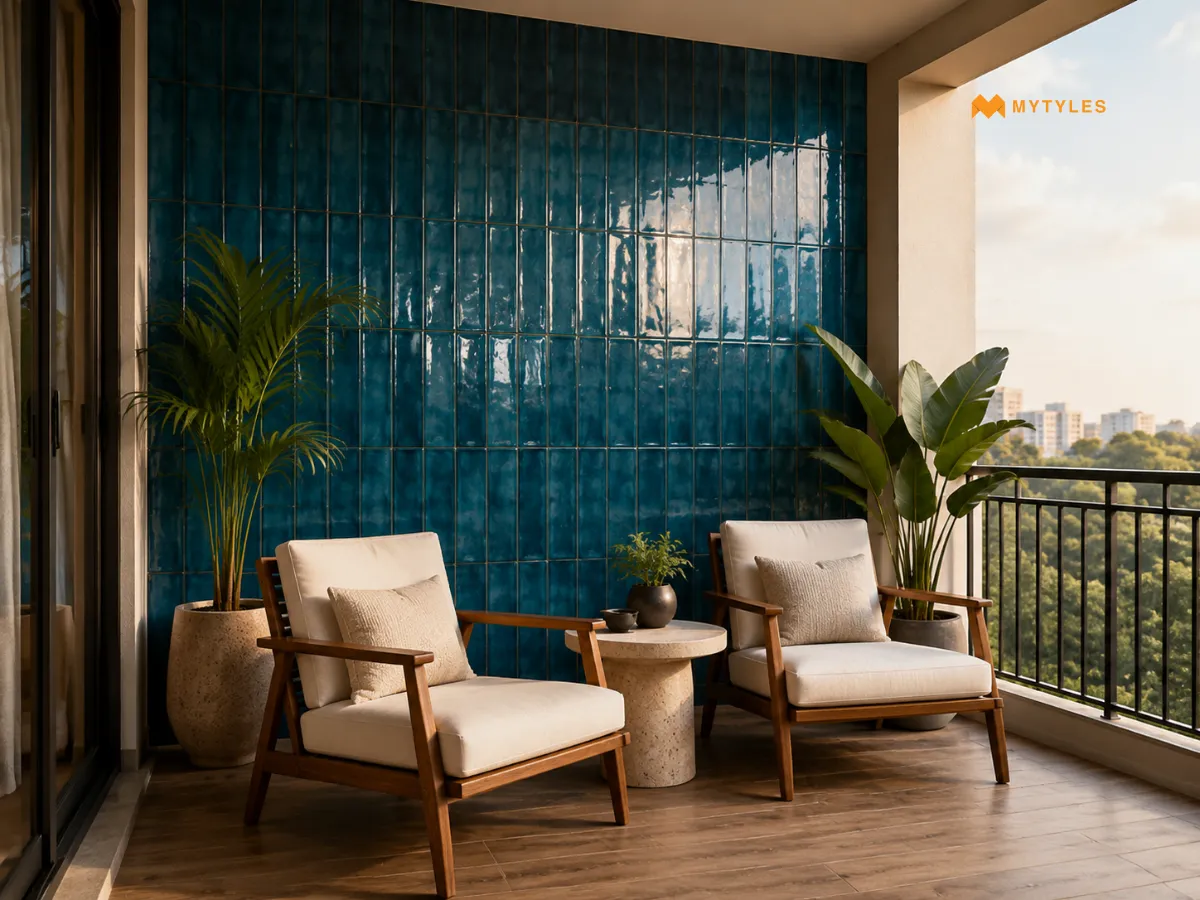
When it comes to ceramic tiles, it's important to know that there are several types to choose from, each with its unique attributes and benefits.
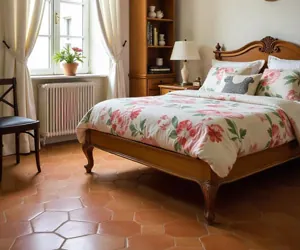
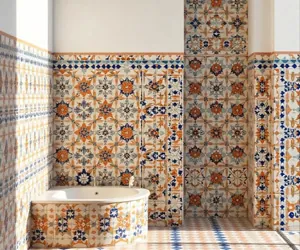
Glazed ceramic tiles feature a protective coating that brings rich colour, pattern, and sheen to any surface. The glaze helps block stains, moisture, and everyday wear, making these tiles dependable for kitchens, bathrooms, and living areas. Their wide variety of designs allows easy matching with different interior styles.
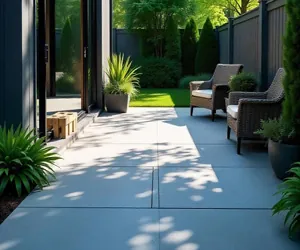
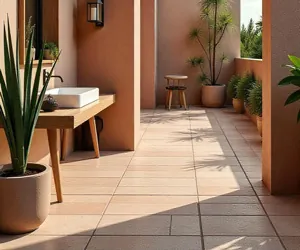
Unglazed ceramic tiles have a raw, earthy surface that gives spaces a natural look. Their matte texture offers better slip resistance, making them a safe choice for balconies, corridors, and busy areas. They are durable, practical, and preferred in places where foot traffic is constant and functionality matters.
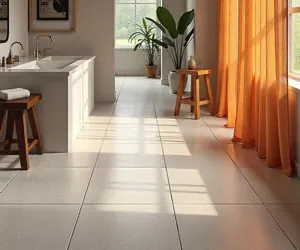
Matt ceramic tiles provide a smooth, non-reflective surface that suits modern design themes. Their subtle finish helps hide smudges, making maintenance easier in busy homes. They offer better grip and work well in kitchens, hallways, and bathrooms where practicality, simplicity, and understated style come together seamlessly.
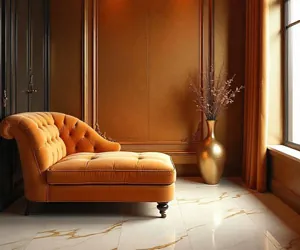
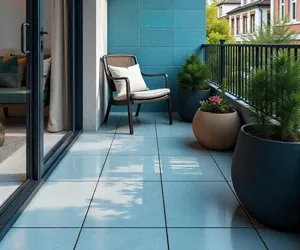
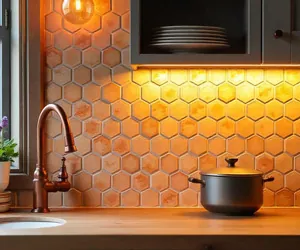
Glossy ceramic tiles are known for their bright, reflective shine that makes rooms appear larger and more vibrant. Their smooth surface is easy to clean, making them widely used on walls, backsplashes, and feature sections. These tiles add a polished, elegant touch to interiors with minimal effort.
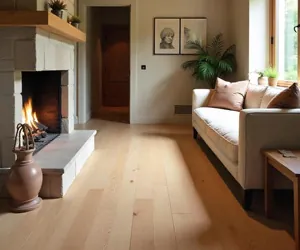
Textured ceramic tiles recreate the look of natural materials such as stone, wood, or concrete. Their tactile surface adds visual depth and dimension to floors and walls. These tiles are ideal for design-forward spaces, giving homeowners a way to achieve bold, stylish detailing with durable ceramic construction.
When it comes to picking the right tile for your home, it's crucial to understand the distinctive features of various tile types. Ceramic tiles, in particular, offer a wealth of benefits that set them apart from other tile options. Let's explore the key differences:
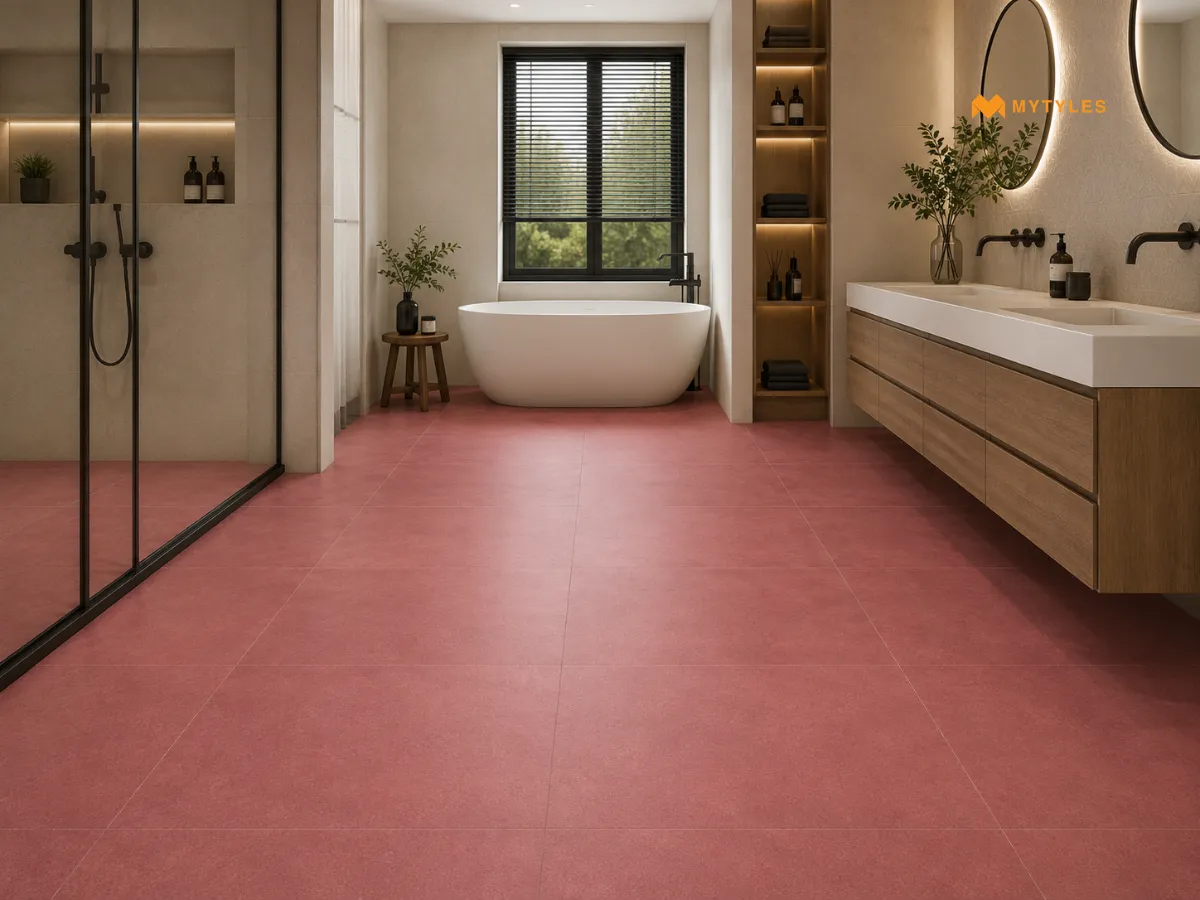
Choosing the right ceramic tiles for your home can be a daunting task with so many varieties available in the market. Regardless of whether you're in the middle of a major renovation or are only sprucing up a single room, the selection process is crucial. Here are a few pointers to guide you through your purchase.
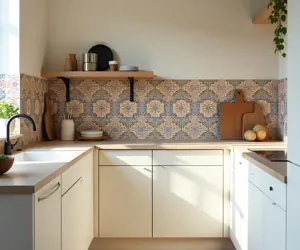
Ceramic tiles continue to be a favorite for homeowners and designers because they bring together durability, beauty, and affordability. Whether you prefer classic glossy tiles, natural wood-look designs, colorful patterns, or minimalistic matte finishes, ceramic tiles adapt to every space effortlessly. If you’re ready to upgrade your home with stylish, high-quality ceramic tiles, MyTyles offers an extensive range of designs, sizes, textures, and finishes to help you transform your space beautifully. Explore premium ceramic tile collections and find the perfect match for your dream home.
Ceramic tiles are manufactured from natural clay, minerals, and water, which are shaped, dried, and fired at high temperatures. They may be glazed for color, pattern, and stain resistance or left unglazed for a natural appearance. Available for walls and floors, ceramic tiles offer practical design choices, but every product should be used only for its recommended application.
The main ceramic tile categories include glazed wall tiles, floor-rated ceramic tiles, unglazed tiles, digitally printed designs, mosaics, and decorative options. Glazed tiles are easier to wipe and offer more colors, while unglazed surfaces provide a natural look but may need sealing. Technical ratings, thickness, strength, and water absorption vary widely across different products and categories.
Ceramic tiles are popular because they are affordable, versatile, easy to clean, and available in many sizes, colors, patterns, and finishes. Glazed surfaces resist common household stains and moisture when correctly installed. Damaged individual tiles can also be replaced. However, durability depends on the product rating, substrate preparation, adhesive quality, grout, and installation workmanship overall.
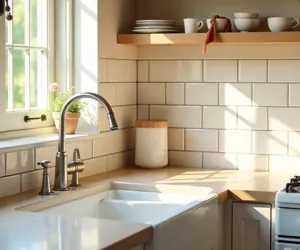
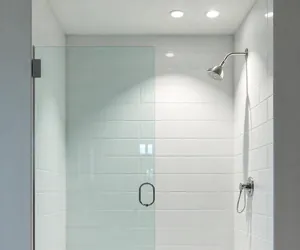
Ceramic tiles can be used on bathroom walls, kitchen backsplashes, utility areas, pooja rooms, living room features, and selected indoor floors. Wall tiles should never be assumed suitable for flooring because they may lack strength and slip resistance. For bathrooms, kitchens, balconies, or other moisture-prone spaces, confirm water absorption, surface grip, and location-specific approval before installation.
Both ceramic and porcelain tiles are clay-based, but porcelain is generally fired at higher temperatures and has a denser, less porous body. Standard ceramic tiles are often lighter, easier to cut, and more budget-friendly, especially for walls. Porcelain usually performs better in demanding floors or wet areas, although the exact specifications of each product remain more important than the label.
Sweep ceramic floors regularly and clean tiles with warm water and a mild tile-safe cleaner. Wipe oil, soap, masala, and hard-water deposits promptly to prevent buildup. Avoid harsh acids, abrasive powders, and metal scrubbers that may damage the glaze or grout. Inspect joints periodically, repair cracked grout, and follow manufacturer guidance for unglazed or textured surfaces.
Before purchasing ceramic tiles, check whether they are wall-rated or floor-rated, along with size, thickness, water absorption, breaking strength, slip resistance, stain resistance, finish, shade variation, and cleaning needs. View samples under actual room lighting, measure carefully, verify the batch number, purchase extra pieces for cuts and repairs, and appoint an installer familiar with the chosen format.
Aditi Bardhan
₹155.00 / Sq.Ft
₹155.00 / Sq.Ft

₹155.00 / Sq.Ft
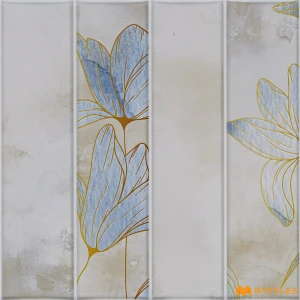
₹185.00 / Sq.Ft

₹185.00 / Sq.Ft
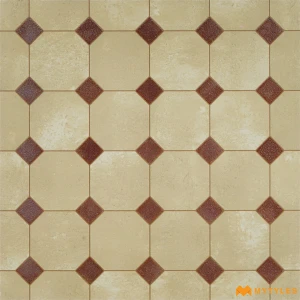
₹169.00 / Sq.Ft
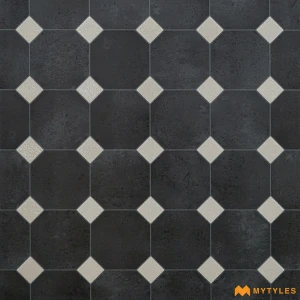
₹169.00 / Sq.Ft
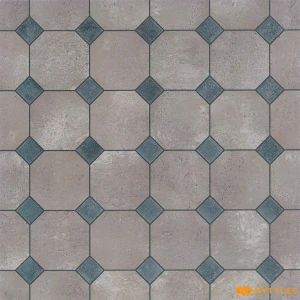
₹169.00 / Sq.Ft
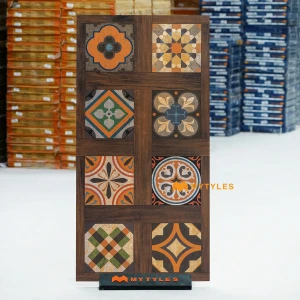
₹125.00 / Sq.Ft
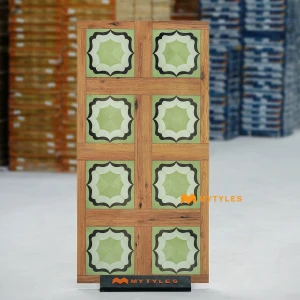
₹125.00 / Sq.Ft

₹115.00 / Sq.Ft

₹115.00 / Sq.Ft
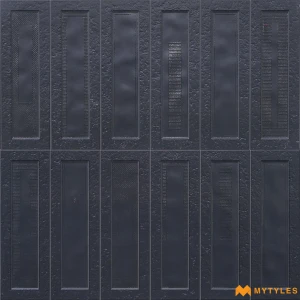
₹115.00 / Sq.Ft
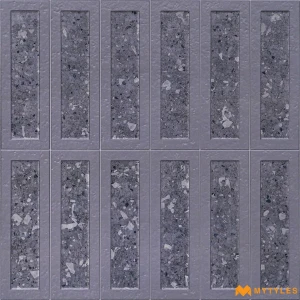
₹115.00 / Sq.Ft
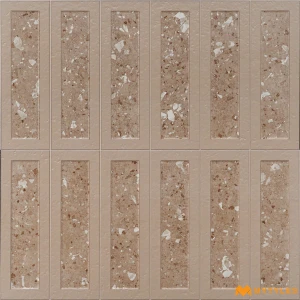
₹115.00 / Sq.Ft
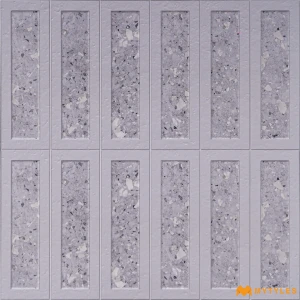
₹115.00 / Sq.Ft
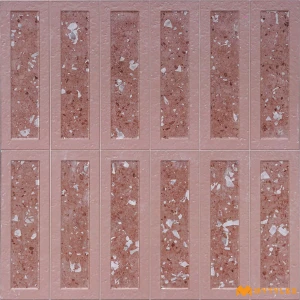
₹115.00 / Sq.Ft
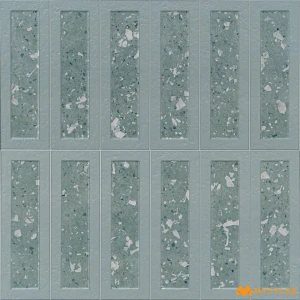
₹115.00 / Sq.Ft
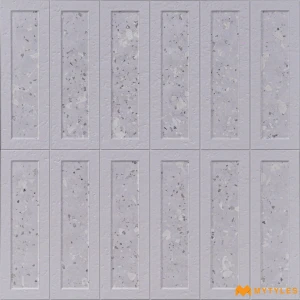
₹115.00 / Sq.Ft
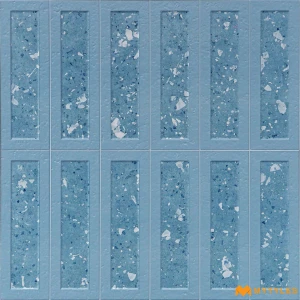
₹115.00 / Sq.Ft