ByNabiya Naqvi
Tue , Jun 02 , 2026
Read Time: 5 Min
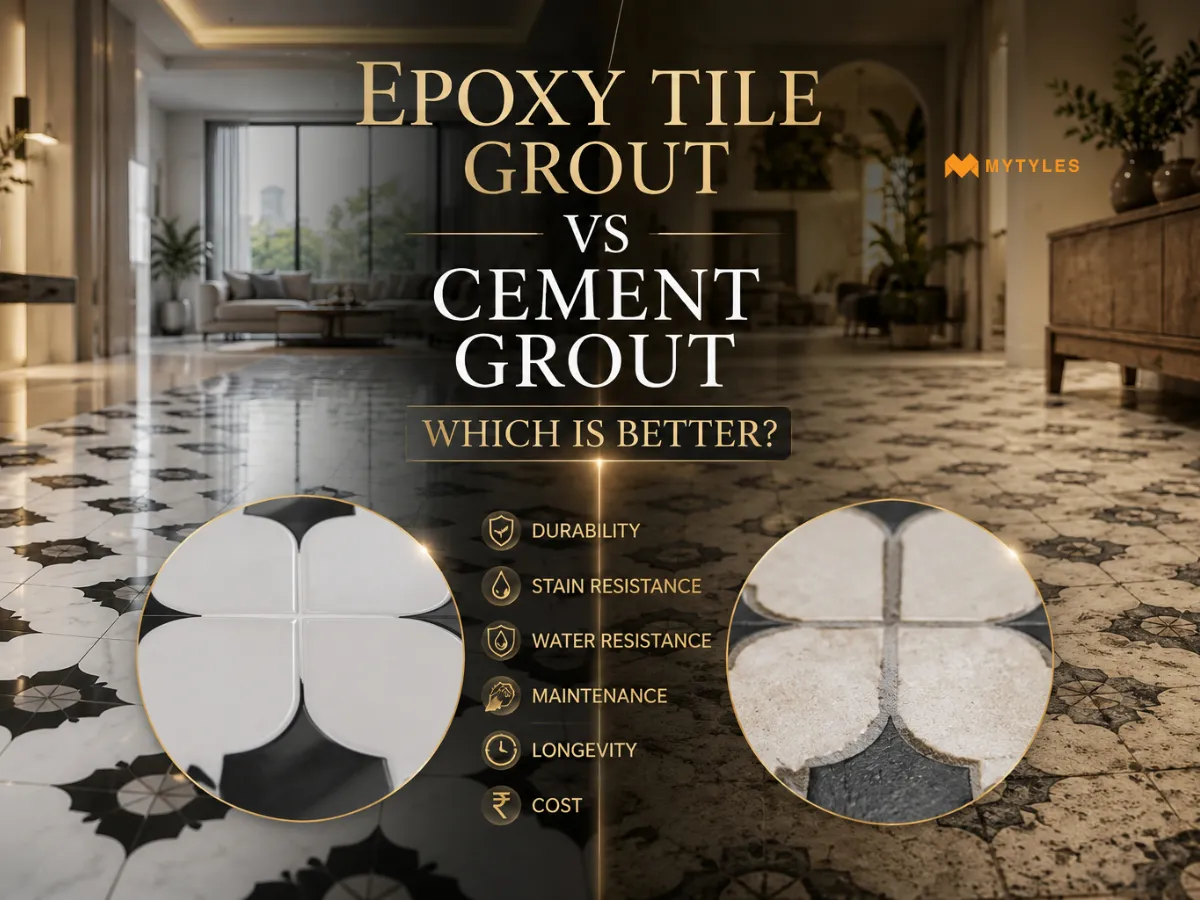
Grout is used to fill and seal the gaps between tiles. There are many options in grout materials. But cement grout is popular, as it is affordable and easy to install. This grout has been traditionally used for a very long time. However, its porous nature causes moisture absorption and staining with regular use. As a result, routine cleaning and maintenance are required. Recently, tile industries have introduced epoxy grouts that are made from polymer resin. It has a non-porous nature, requires no routine maintenance, and retains its color over prolonged use. Now, when we compare epoxy grout and cement grout, we need to determine which is better for tiles and understand the reasons behind it.
When choosing a tile, it is essential to make a wise decision for grout, too. Both epoxy grout and cement grout are used to fill the gaps between the tiles. But the key ingredients and features are significantly different. Let’s see the table below to understand the key differences:
Feature | Epoxy Tile Grout | Cement Grout |
|---|---|---|
Composition | Made with epoxy resins and hardeners | Made from cement, sand, and pigment |
Durability | Extremely strong and long-lasting | May crack with prolonged use |
Water Resistance | Waterproof and non-porous | Porous and absorbs moisture |
Stain Resistance | Highly stain-resistant | Prone to stains without sealing |
Sealing Required | No | Yes |
Crack Resistance | Excellent flexibility and crack-resistant | More likely to shrink or crack |
Color Consistency | Maintain colors for years | May fade in color with time |
Cost | Costlier, but affordable in long run | Budget-friendly |
.webp)
Selecting the right grout is as important as choosing the right tile, as it seals the joints of the tile to give a watertight surface. Among the different options, epoxy grouts are high-end grout materials. Let’s discuss some of the epoxy grout's benefits:
Cement grouts are widely used for joining the tiles. They are affordable and easy to apply. They are suitable for areas where extreme moisture resistance is not a primary concern. This grout is used in many areas, including the living room, bedroom and more. Here are some cement grout benefits:
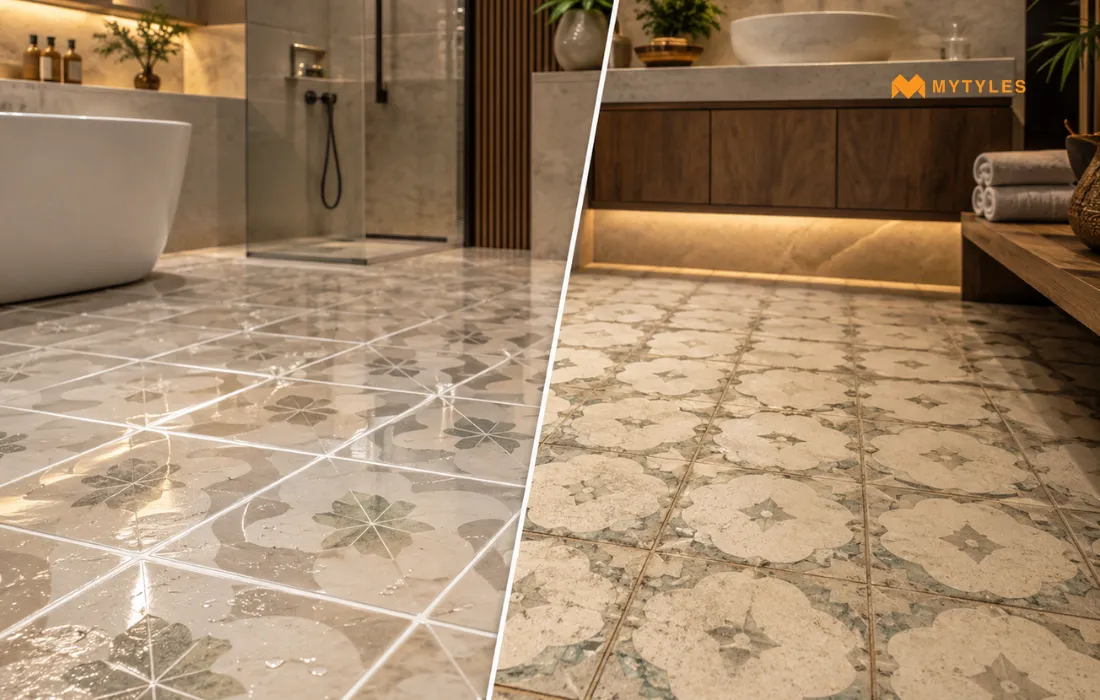
The current lifestyle of people requires products that are easy to clean and maintain. The same rule applies to grouts; homeowners also explore better options in grouts. They want to simplify the process of cleaning. The epoxy grout, in comparison to cement grout, is easier to maintain. Since it is stain-resistant grout, the dust and grime can be easily cleaned with a damp cloth. Contrary to this, cement grouts have a matt finish. They are porous and absorb moisture, dirt and soap scum in bathrooms, so they require rigorous cleaning on a routine basis.
Grout lines may seem like a small detail, but they have a significant role to play in how your tiled surfaces perform. They resist the movement, moisture and spills. The right grout makes the maintenance uncomplicated and improves long-term endurance. Here’s how epoxy grout and cement grout compare when it comes to water resistance, stain protection, and everyday wear.
Feature | Epoxy Grout | Cement Grout |
|---|---|---|
Water Resistance | Non-porous and completely waterproof, making it ideal for wet areas | Porous and can absorb moisture unless sealed regularly |
Stain Resistance | Highly resistant to stains from oil, food and chemicals | More prone to staining and discoloration over time |
Durability | Strong, flexible and resistant to cracks, wear and moisture damage | Less durable and may crack or wear with regular use |
Every space has different requirements. Whether you are choosing a tile or grout, the right choice is determined by many factors, such as maintenance, moisture, budget, and more. To help you better understand, we have summarised both grouts below:
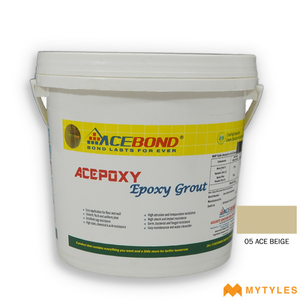
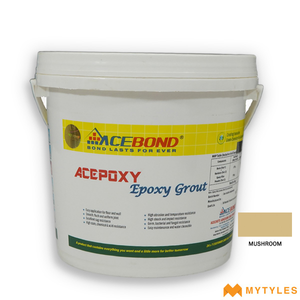
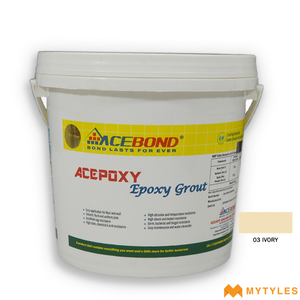
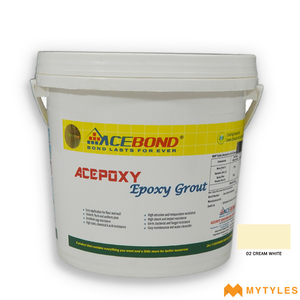
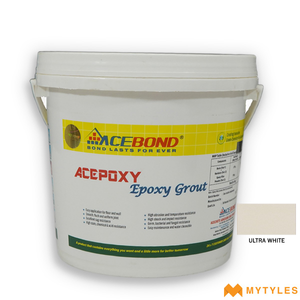
The right grout has more purpose than filling the gaps between tiles. It affects the performance of tiles in terms of moisture, stains, daily cleaning, and long-term wear. Epoxy grout is built to last with easy maintenance for wet and high-traffic spaces. On the other hand, cement grout is an affordable option in everyday applications. The understanding of both the grouts helps you create spaces that have a balance of utility and appearance. Get the quality grout options and design inspirations at MyTyles to find solutions that fit your space beautifully. Also, we have options in epoxy grout colors such as beige, ivory, and more. Matching grouts complements the seamless look of the space.
Biren Agrawalla, the Founder of MyTyles with over 10 years of experience across tile, retail, and home decor. Driven by a passion for tiles and a deep understanding of customer behaviour, he has spent his career transforming how people discover and buy tiles online. Biren combines practical retail insight with modern digital solutions to make tile shopping smarter, more intuitive, and design focused. At MyTyles, he champions a customer first approach, ensuring every experience from browsing to buying is reliable, seamless, and inspiring.
Epoxy grout is made from epoxy resins and hardeners, making it highly resistant to stains, moisture, and chemicals. Cement grout, on the other hand, is a traditional grout made from cement-based materials and is more porous in nature. While cement grout is commonly used for regular residential applications, epoxy grout is preferred for areas exposed to water, heavy usage, and frequent cleaning because of its durability and low maintenance requirements.
Epoxy grout is the best grout for tiles in bathrooms, kitchens, and wet areas because it resists moisture, stains, and mould growth more effectively than cement grout. Its non-porous surface prevents water penetration and keeps grout lines cleaner for longer periods. Cement grout may absorb moisture over time if not sealed properly, which can lead to discoloration and maintenance issues in high-moisture spaces.
Yes, epoxy grout is more durable and resistant to cracks, stains, chemicals, and abrasion compared to cement grout. It performs well in high-traffic areas and spaces exposed to frequent cleaning or spills. Cement grout is durable for standard residential use, but it may wear out or develop stains faster in demanding environments if regular maintenance is not done.
Epoxy grout is a waterproof grout and usually more expensive because it offers advanced performance benefits such as stain resistance and longer durability. The installation process is also more technical and requires skilled application, which increases the overall cost. Cement grout is comparatively affordable and easier to install, making it a budget-friendly option for many residential projects.
Yes, cement grout generally requires more maintenance because it is porous and can absorb dirt, moisture, and stains over time. It may need periodic sealing to maintain its appearance and durability. Epoxy grout is easier to clean and maintain because its non-porous surface prevents deep stain penetration and moisture absorption.
The right grout depends on the application area. For high-traffic floors, commercial spaces, kitchens, and moisture-prone areas, epoxy grout is often the better choice because of its strength and stain resistance. Cement grout works well for regular residential flooring where exposure to moisture and heavy wear is comparatively lower.
Yes, epoxy grout can enhance the appearance of tiles because it maintains its color consistency and resists discoloration over time. It gives cleaner and sharper grout lines, especially in modern bathrooms and premium interiors. Cement grout may fade, stain, or darken gradually due to moisture and dirt accumulation, particularly in frequently used areas.
Biren Agrawalla
₹2,499.00 / Piece
₹950.00 / Piece
₹950.00 / Piece
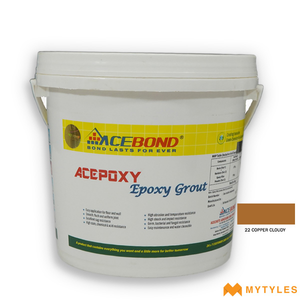
₹950.00 / Piece
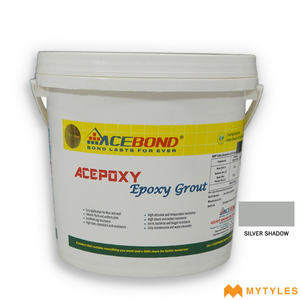
₹950.00 / Piece
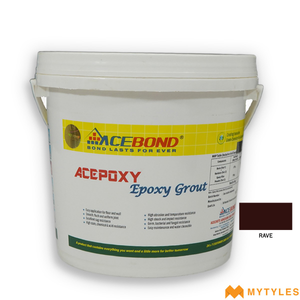
₹950.00 / Piece
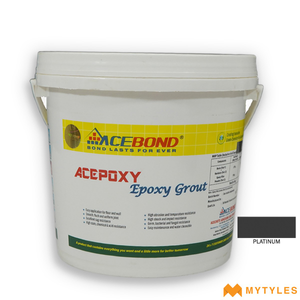
₹950.00 / Piece
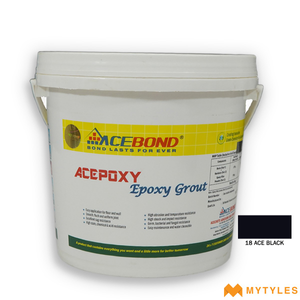
₹950.00 / Piece
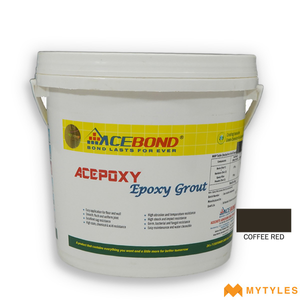
₹950.00 / Piece
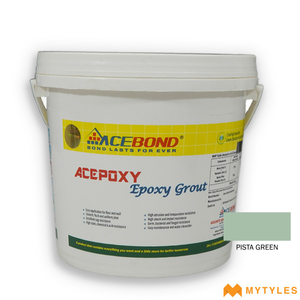
₹950.00 / Piece
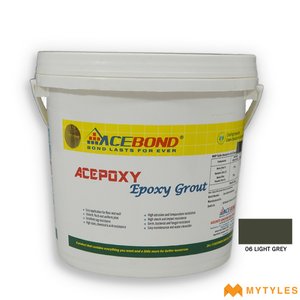
₹950.00 / Piece
₹950.00 / Piece
₹950.00 / Piece
₹950.00 / Piece
₹950.00 / Piece
₹950.00 / Piece
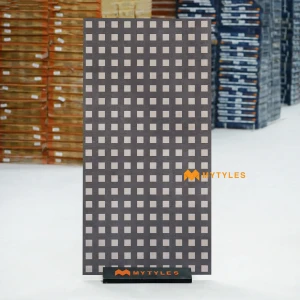
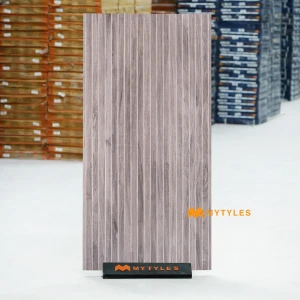
₹150.00 / Sq.Ft
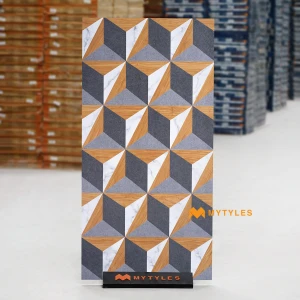
₹115.00 / Sq.Ft
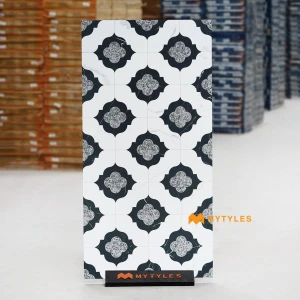
₹115.00 / Sq.Ft
₹115.00 / Sq.Ft
₹150.00 / Sq.Ft
₹150.00 / Sq.Ft