ByNabiya Naqvi
Thu , Apr 09 , 2026
Read Time: 5 Min
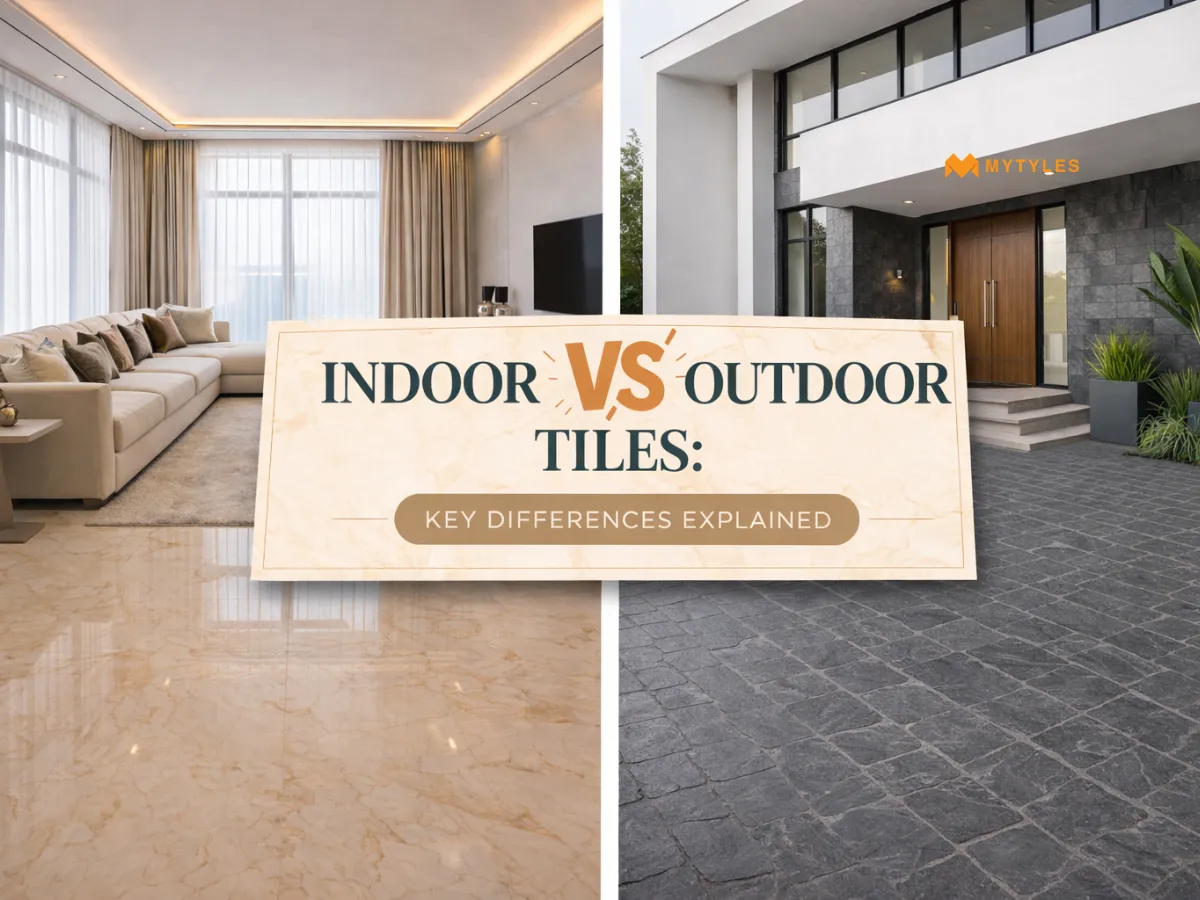
In the market, there are enormous tile options available in terms of materials, finishes, and designs. They are classified broadly into two categories based on usage: indoor and outdoor tiles. What matters is that you need to be specific about your application area because the performance of indoor and outdoor tiles differs under varying conditions. Each category is engineered according to its application. Outdoor tile types are built to last and withstand extreme weather conditions, just as indoor tiles are crafted for aesthetics and daily foot movement inside a space. Both categories also differ in slip-resistance ratings; outdoor tiles have a higher rating (R11-R18), while indoor tiles have a lower rating (R9-R10). Selection of an inappropriate tile may cause safety issues and expensive replacements, so it is necessary to know the key differences between the two.
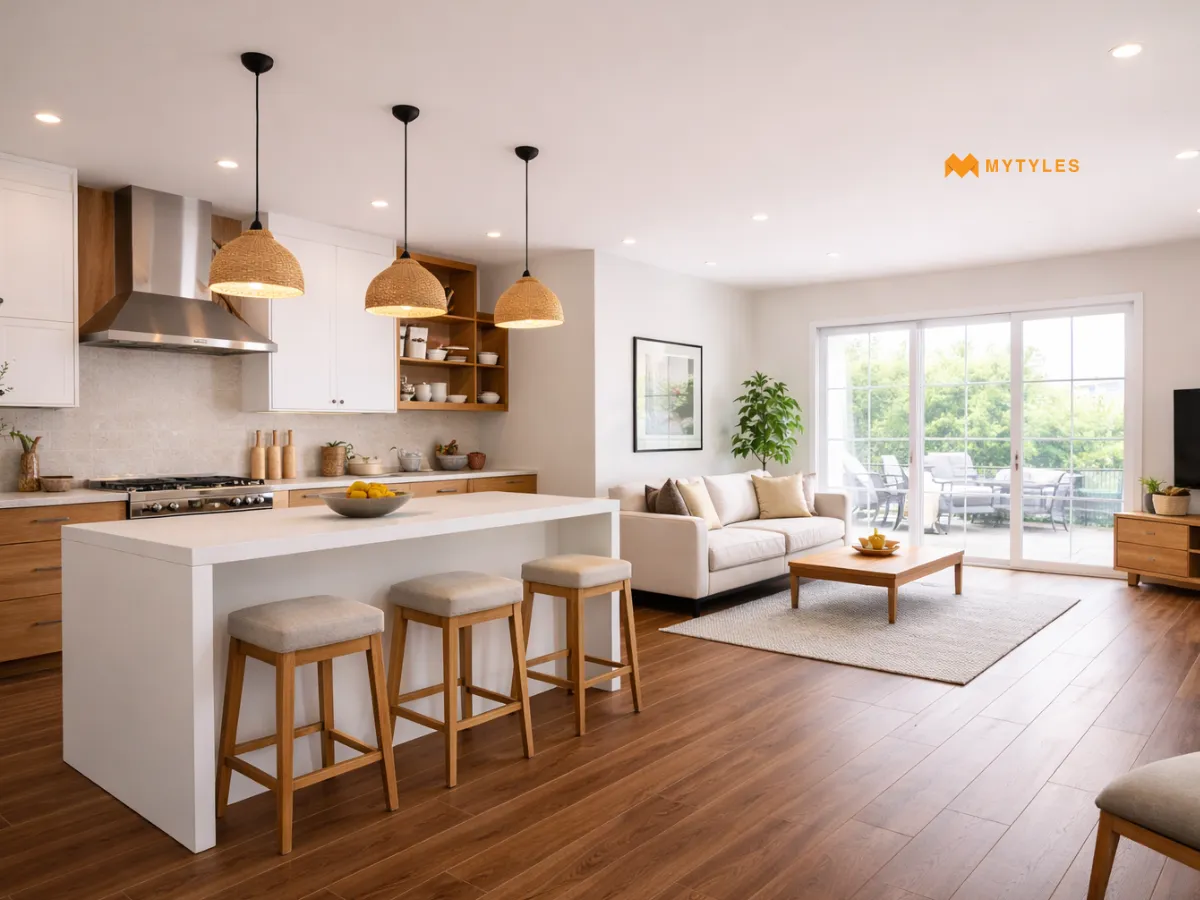
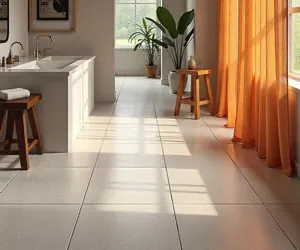
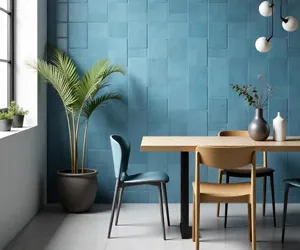
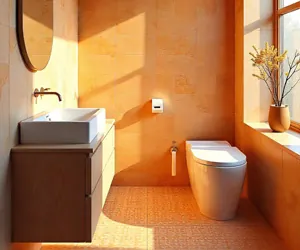
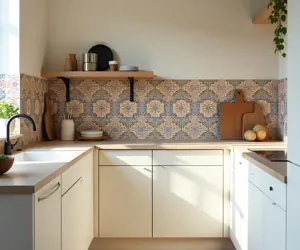
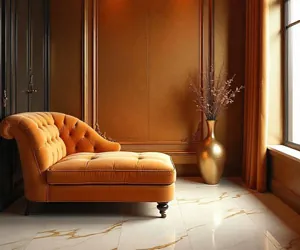
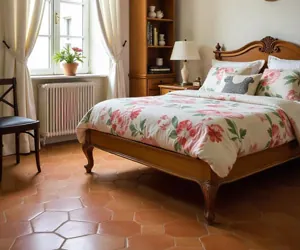
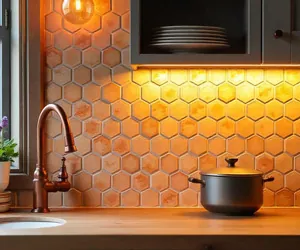
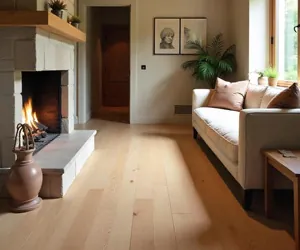
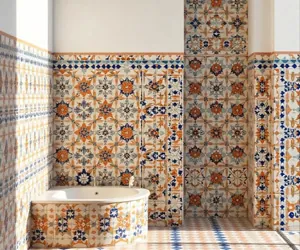
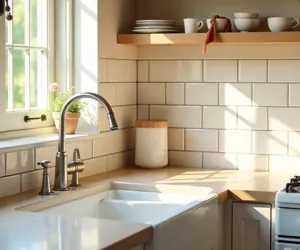
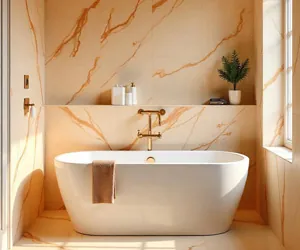
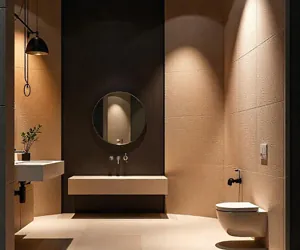
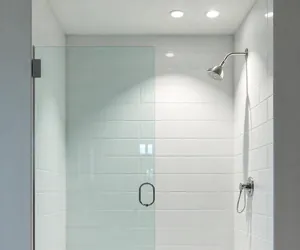
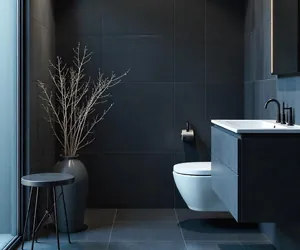
Indoor tiles are engineered for a controlled indoor environment. The focus is more on aesthetics, moisture resistance, and a proper surface that aids safe walking inside the house. The materials for indoor tiles need not be very sturdy, as they are not exposed to direct sunlight. Most indoor home tiles are made from ceramics and vitrified materials, which give a dense, smooth surface that aids effortless maintenance and aesthetics for modern interiors.
Many tile options are available in the market, which can be confusing occasionally. So, finding the right product depends on the application area and the scheme of your space. Below, we have broken down the factors that you need to keep in mind while choosing indoor tiles:
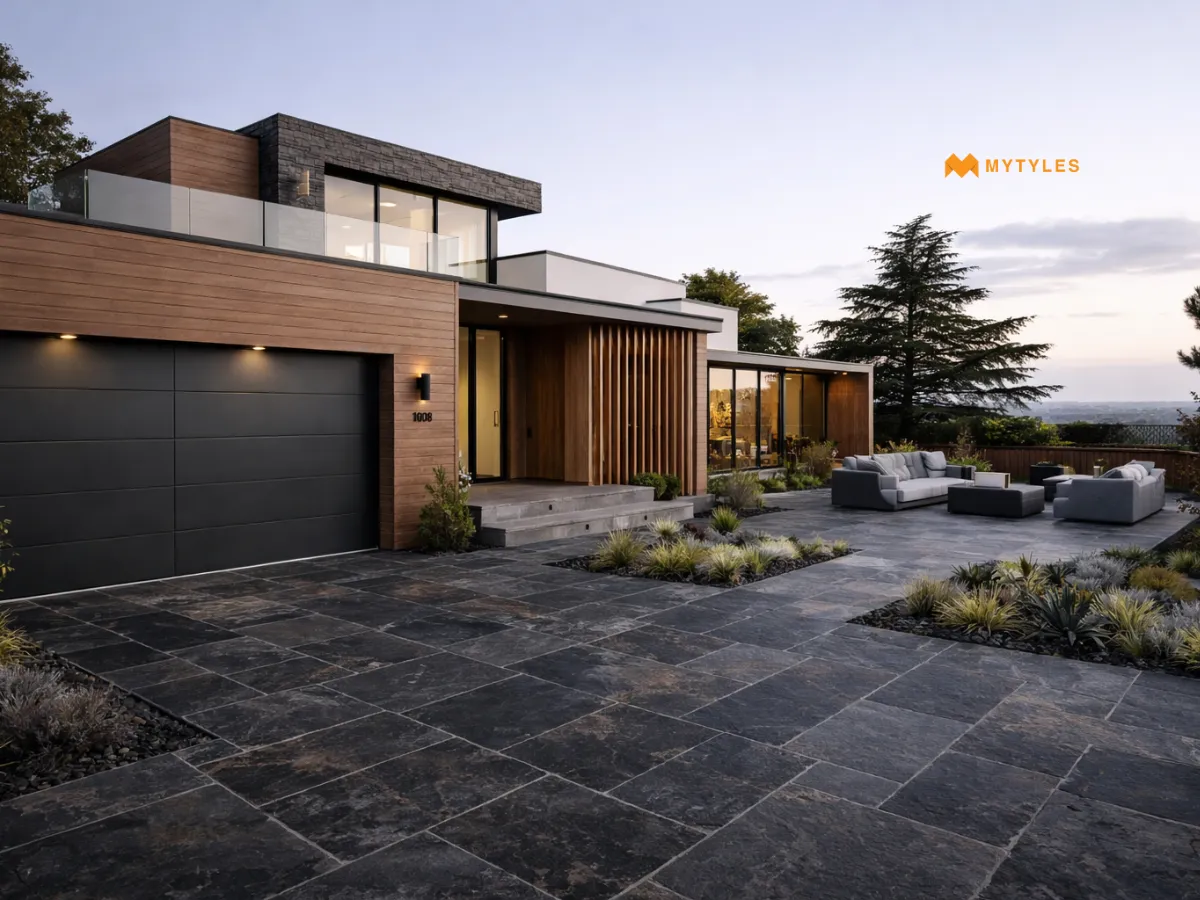
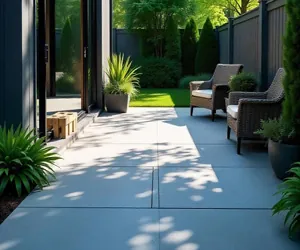
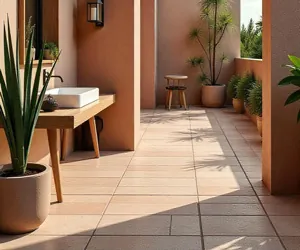
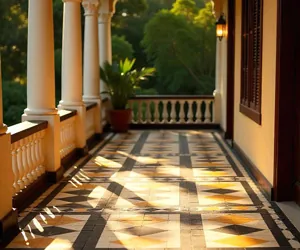
Outdoor tiles are made to perform well in adverse outdoor conditions. Thickness and uniformity require more consideration to ensure a solid foundation. Generally, outdoor areas are constructed with concrete or bricks, but with the progress in the tile industry, now more options are available in materials and designs. The exterior areas are exposed to sunlight, heavy rainfall, and dusty winds; all these factors erode the floor surfaces.
So, you might be wondering how come tiles can bear all this. Porcelain and vitrified materials are recommended for the outdoors because of their unmatched durability and thickness. For ceramic tiles, consider the PEI rating, which tells about scratch and wear resistance. Outdoor tiles have a PEI rating of 4 to 5. Let’s discuss in detail what outdoor tiles have that makes them a better choice for exteriors:
There is a difference between indoor and outdoor tiles, so it’s important to be specific when planning tile installations in your interior and exterior areas. The key differences include durability, slip resistance, and overall appearance. For your assistance in deciding the right indoor and outdoor tiles, we have created a short comparison table:
| Feature | Indoor Tiles | Outdoor Tiles |
|---|---|---|
| Purpose | Designed for controlled environments like living areas and kitchens. | Designed for exposed areas, like patios, balconies, and terraces. |
| Durability | Moderate durability for daily indoor use and low traffic. | High durability to withstand weather and heavy traffic. |
| Water Absorption | Higher water absorption. | Lower water absorption to prevent cracks and damage. |
| Slip Resistance | Smoother surface and less slip-resistant. | Textured, anti-grip surfaces for better grip. |
| Surface Finish | Glossy and smooth for fancy aesthetics. | Matt or rough for safety and traction. |
Every area has its demands; you need to be very thoughtful while deciding indoor and outdoor tiles. Even in indoor areas, the requirements vary from room to room. So, for a broader picture, indoor and outdoor areas have different requirements. So, here are some points that need to be kept in mind:
From indoors to outdoors, there are many variations seen in what type of tiles are suitable for each. The right tile in the right place is the key to a long-lasting performance. We have discussed all the key differences in detail and provided you with a great understanding of both indoor and outdoor tiles. You are now able to assess which tile is best for your space. However, the most reliable option is to purchase from a tile store that specialises in both indoor and outdoor tiles. At MyTyles, we offer you endless options for indoor and outdoor tiles that match your requirements and aesthetic taste. For a better understanding, you can explore our Bengaluru experience centre for a physical experience.
For exterior spaces, always choose tiles with high durability and low moisture absorption. The best tiles for outdoor areas are typically porcelain or vitrified options due to their strength and longevity. These materials are also considered weather-resistant tiles, ensuring they withstand heat, rain, and temperature changes without cracking or fading over time.
The lifespan depends on material quality and installation, but high-quality outdoor tiles can last decades. The durability of outdoor tiles is driven by density, thickness, and resistance to environmental stress. Tiles with low porosity and proper installation systems resist wear, moisture damage, and heavy usage, ensuring long-term performance even in exposed conditions.
Indoor tiles are not designed to handle environmental exposure. The key issue lies in water absorption tiles, as indoor variants absorb more moisture, leading to cracks during temperature changes. This highlights the difference in indoor flooring vs outdoor flooring, where outdoor tiles are engineered for structural strength, safety, and resistance to harsh conditions.
Outdoor tiles are designed with rougher surfaces to improve grip in wet conditions. Slip-resistant outdoor tiles are essential because rain and moisture reduce traction significantly. This is why anti-skid tiles for outdoor spaces use textured or matte finishes, ensuring safety and reducing the risk of accidents in areas like patios and walkways.
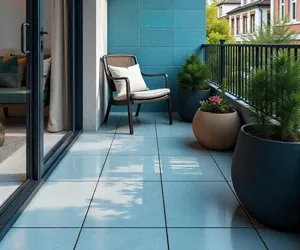
For elevated outdoor spaces, durability and safety are critical. The ideal tiles for the balcony and terrace are porcelain or vitrified tiles due to their low absorption and strength. When comparing tiles for the living room vs the patio, outdoor options must handle exposure and provide grip, making them far more robust than standard indoor flooring choices.
The difference between indoor and outdoor floor tiles lies in their durability, surface finish, and resistance levels. Indoor tiles are designed for comfort, aesthetics, and light foot traffic, with smoother surfaces and lower slip resistance. In contrast, outdoor tiles are built to withstand harsh weather, heavy use, and moisture, featuring higher strength, anti-slip surfaces, and low water absorption for safety and long-term performance
Biren Agrawalla
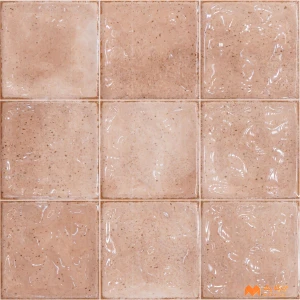
₹151.00 / Sq.Ft
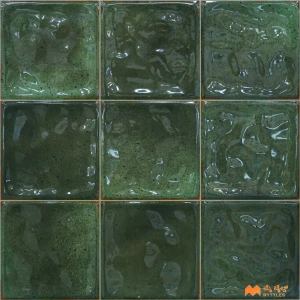
₹151.00 / Sq.Ft
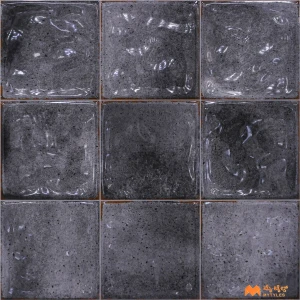
₹151.00 / Sq.Ft
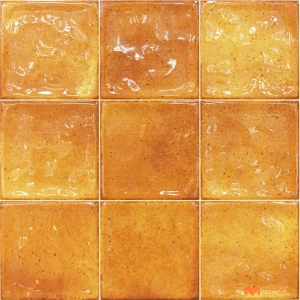
₹151.00 / Sq.Ft
₹151.00 / Sq.Ft