ByBiren Agrawalla
Tue , Aug 18 , 2026
Read Time: 5 Min
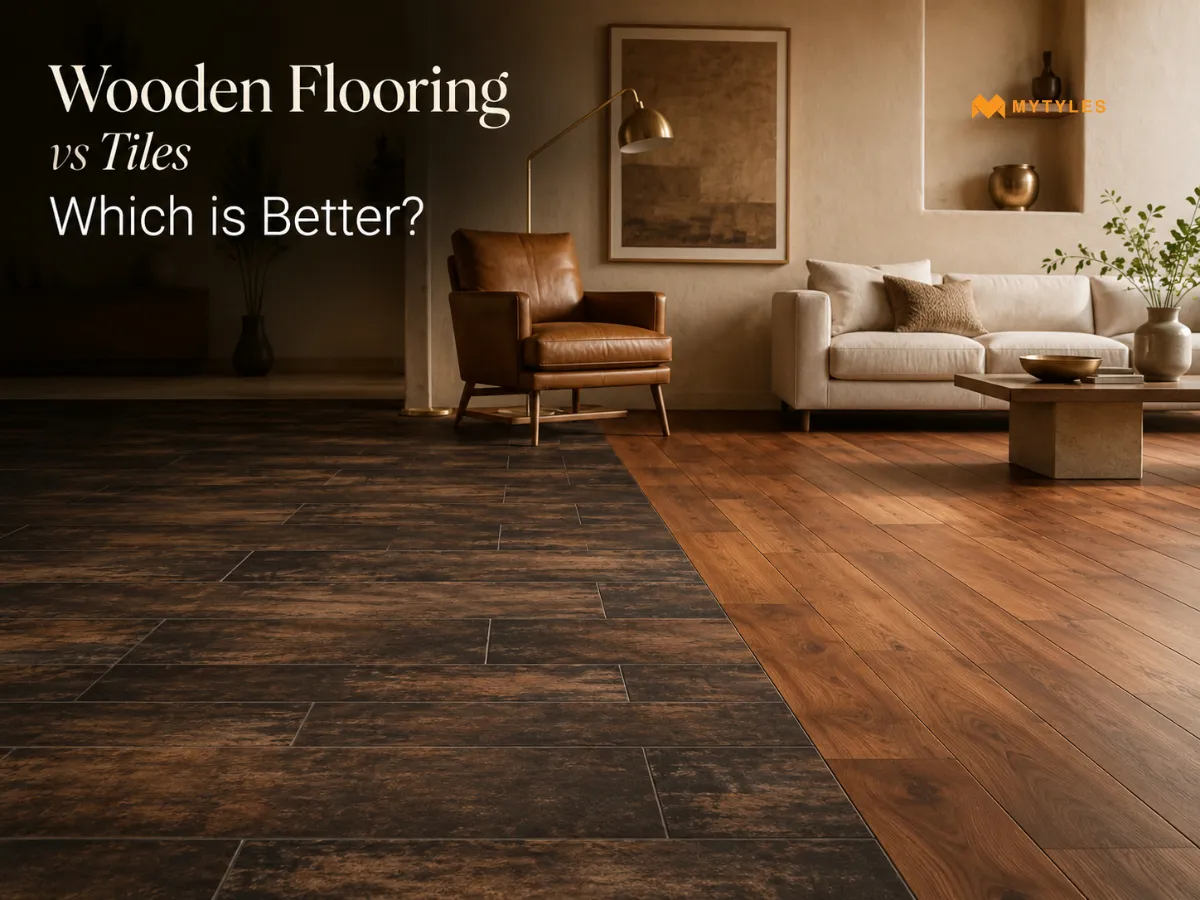
When planning a new home or renovating an existing one, flooring becomes one of the biggest decisions you make. It influences how a space looks, feels, and performs over time. Two of the most popular flooring options in India today are wooden flooring and tiles. Both look great and bring their own strengths, but the real question is, which one is better for long-term use, daily comfort, and practical maintenance?
This detailed comparison breaks down every important factor: durability, maintenance, cost, installation, day-to-day comfort, moisture resistance, safety, resale value, and suitability for Indian climatic conditions. By the end, you’ll have a clear idea of which one fits your lifestyle and home more effectively.
India’s climate varies widely, but many regions face humidity, heavy monsoon rains, and hot summers. Real wood reacts to moisture and temperature shifts, it can expand, contract, warp, or gap if not installed and maintained perfectly. Tiles, ceramic, porcelain, vitrified, or natural stone, are far less sensitive to moisture and temperature. For homes in humid cities, coastal areas, kitchens, bathrooms, and utility spaces, tiles are the practical winner.
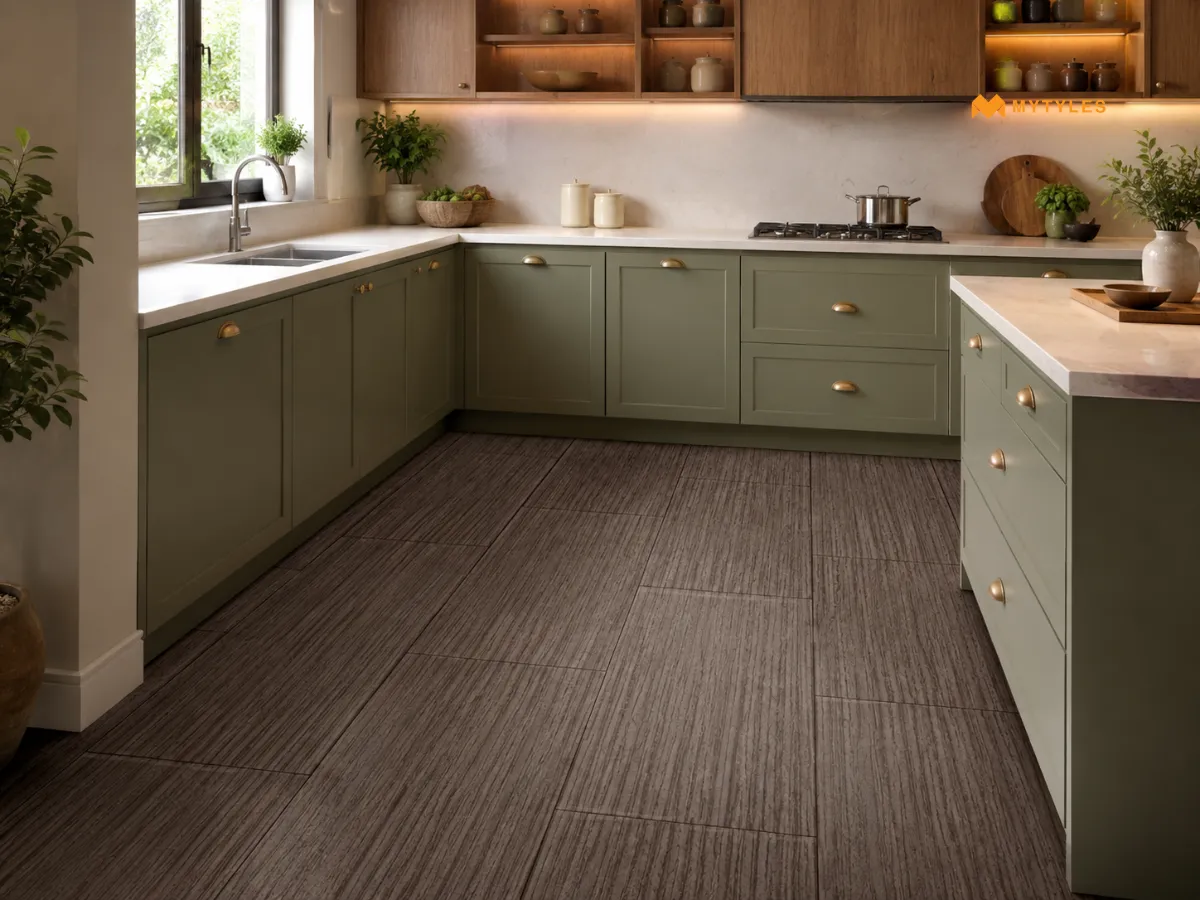
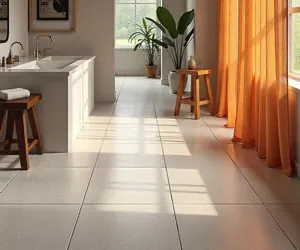
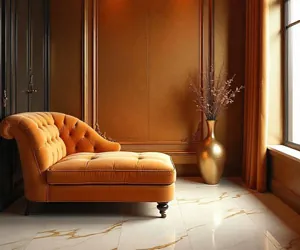
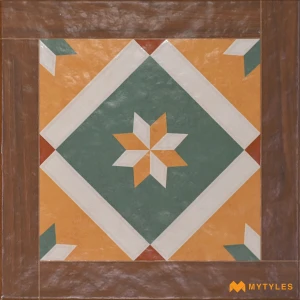
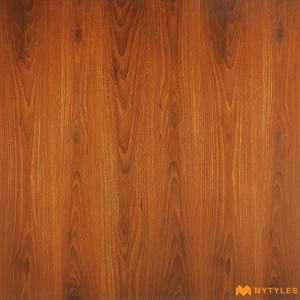
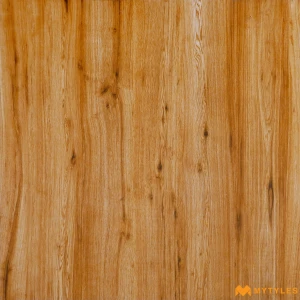
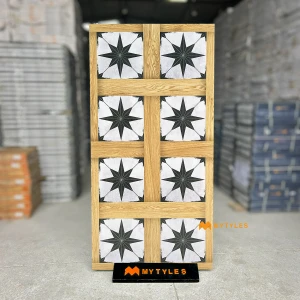
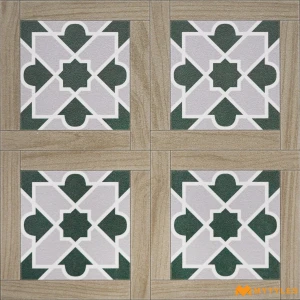
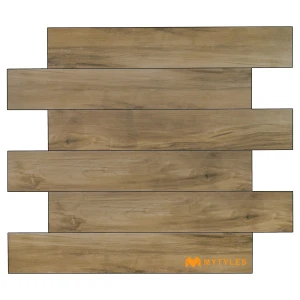
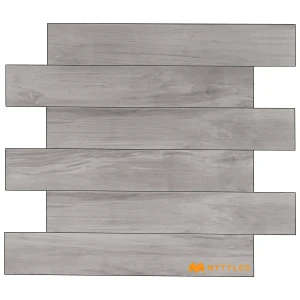
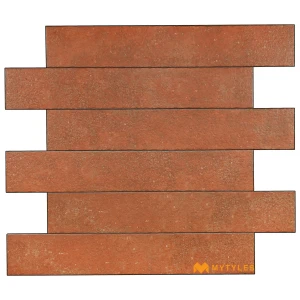
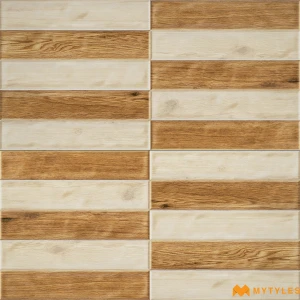
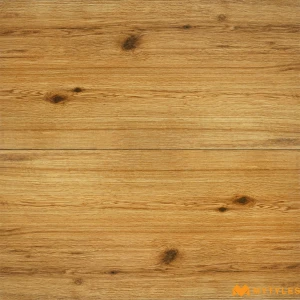
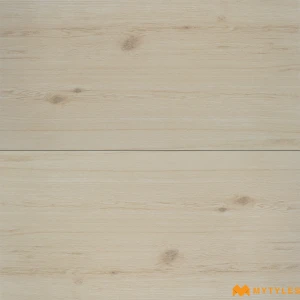
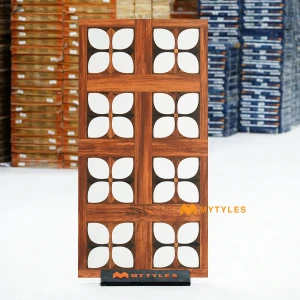
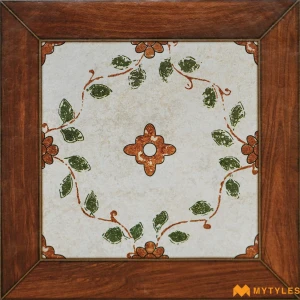
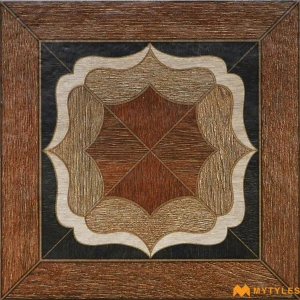
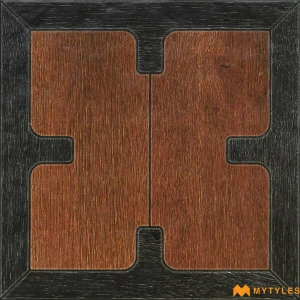
Wood offers a timeless, upscale look. However, tiles today provide astonishing variety, wood-look porcelain and vitrified tiles can mimic grain, texture, and plank sizes while delivering tile-level resilience. Tiles also allow large-format slabs, geometric patterns, and bold textures that are difficult or costly with real wood. If you want the look of wood without the maintenance worries, wood-effect tiles are an excellent compromise.
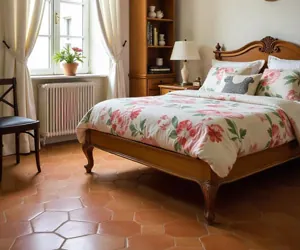
Natural timber feels warmer underfoot than cold tiles. But modern tiles can be paired with underfloor heating (rare in many Indian homes but an option) or used with area rugs to soften living spaces. For bedrooms where a softer walking surface is a priority, engineered wood or thicker wood-look tiles with rugs are a good pairing.
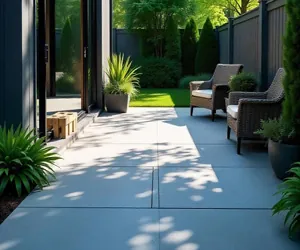
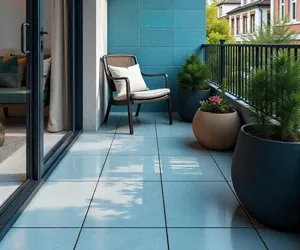
Tiles win decisively here. Porcelain and vitrified tiles are highly water resistant, making them ideal for bathrooms, kitchens, balconies, and utility areas. Even if you prefer wood in living areas, consider tiles for areas exposed to moisture. Using the same tile across multiple zones helps visual continuity while offering performance where it matters.
Initial costs depend on material choice and finish:
When you factor in life-cycle costs, maintenance, refinishing, repairs, and replacement, tiles usually prove more economical for most Indian households.
Tiles offer a range of finishes for slip resistance. Look for anti-slip ratings for bathrooms and balconies. Wooden floors can become slippery if polished excessively and may show watermarks after spills. For homes with elderly members or young children, textured tiles or anti-slip finishes are safer choices.
Solid hardwood sourced from responsibly managed forests can be sustainable but requires certification (FSC, PEFC). Engineered wood uses less top-layer timber. Tiles require energy to manufacture, but many manufacturers now use recycled content and energy-efficient kilns. Wood-effect tiles avoid deforestation while delivering the look of timber, a good sustainable compromise.
Quality wooden flooring still commands appeal in premium listings. However, well-selected tiles, especially large-format or designer tiles, add strong perceived value, are easier to maintain, and appeal to a broader pool of buyers who prioritise practical living. In many Indian markets, durable, low-maintenance flooring is a key selling point.
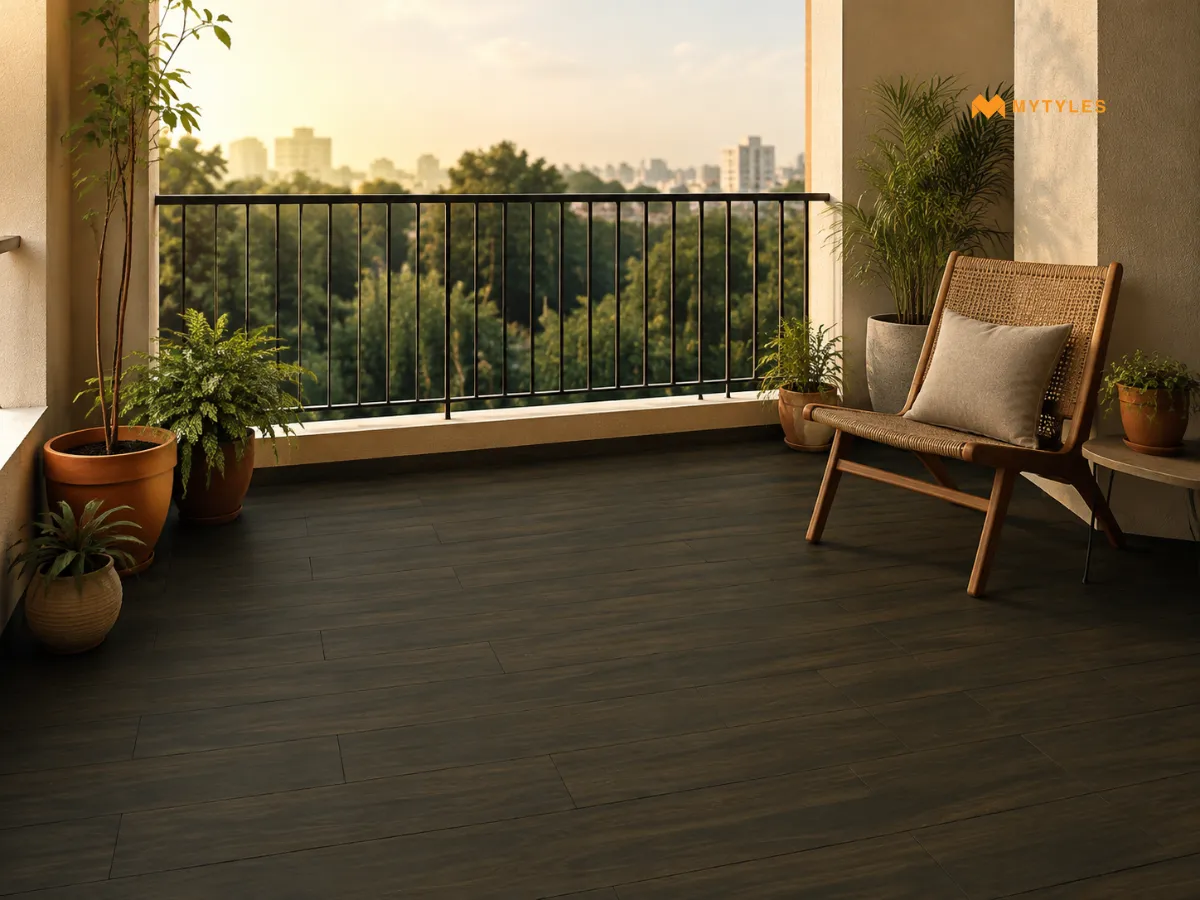
Choosing hard surfaces for each area depends on usage, foot traffic, and long-term upkeep. Here’s a room-wise breakdown to help you make confident, practical choices:
Comparing both flooring types makes one point very clear, tiles deliver superior practicality, long life, and incredible value. Their stability across seasons, resistance to spills, effortless cleaning, and massive range of styles make them an ideal fit for modern homes. Wooden flooring may offer a classic look, but its high maintenance, sensitivity to climate, and limited durability make it less suitable for most homes today. Wood-look tiles perform better in Indian living conditions, handle daily use easily, and require almost no upkeep. MyTyles brings you premium-quality tiles, unique patterns, smooth finishes, and long-lasting performance, all at honest prices. Find the perfect tile for your space and start your flooring journey with confidence.
Tiles are generally better for moisture resistance, heavy traffic, easy cleaning, and long-term durability, while wooden flooring offers natural warmth, softness, and visual character. The better choice depends on the room, climate, budget, and maintenance expectations. Indian homes with humidity, spills, pets, or frequent cleaning may find porcelain or vitrified tiles more practical overall for daily use.
Porcelain and vitrified tiles resist scratches, stains, dents, and regular foot traffic better than many wooden floors. Natural wood can scratch, fade, dent, or require refinishing, although good-quality hardwood may last for decades with proper care. Tiles can chip under heavy impact, so both materials depend on product quality, substrate preparation, installation, and household usage.
Tiles usually perform better in kitchens, bathrooms, balconies, entrances, and humid regions because suitable options have low water absorption. Natural wood may swell, warp, or develop gaps after prolonged moisture exposure. Engineered wood offers improved stability but is not automatically waterproof. Spills should be cleaned promptly, and product-specific water-resistance guidance must be checked before installation.
Wooden flooring feels warmer, quieter, and slightly softer underfoot, making it comfortable for bedrooms and relaxed living areas. Tiles feel harder and cooler, which may benefit homes in hot Indian climates but feel cold during winter. Rugs, footwear, acoustic underlays, or compatible underfloor heating can improve comfort, depending on the selected flooring system and regional conditions.
Tiles generally require sweeping, mopping, mild cleaner, and occasional grout care. Wooden flooring needs controlled moisture, quick spill removal, suitable wood cleaners, protection from scratches, and periodic polishing or refinishing depending on its type. Tiles should not be cleaned with harsh acids, while wood should never be soaked. Following manufacturer guidance preserves either floor longer.
Tile costs vary by material, size, finish, and installation complexity, but vitrified or ceramic options often provide lower long-term maintenance expenses. Wooden flooring may have a higher purchase price and require polishing, refinishing, moisture protection, or board replacement. Compare total costs for materials, labour, wastage, base preparation, maintenance, and expected service life rather than initial price alone.
Choose tiles for wet areas, busy kitchens, balconies, entrances, and homes requiring easy maintenance. Consider wooden flooring for dry bedrooms, studies, or living rooms where warmth and comfort matter more. Before deciding, compare climate, moisture exposure, foot traffic, pets, cleaning habits, installation time, repair options, and budget, then inspect samples under actual room lighting before purchase.
₹175.00 / Sq.Ft