ByAditi Bardhan
Wed , May 20 , 2026
Read Time: 5 Min
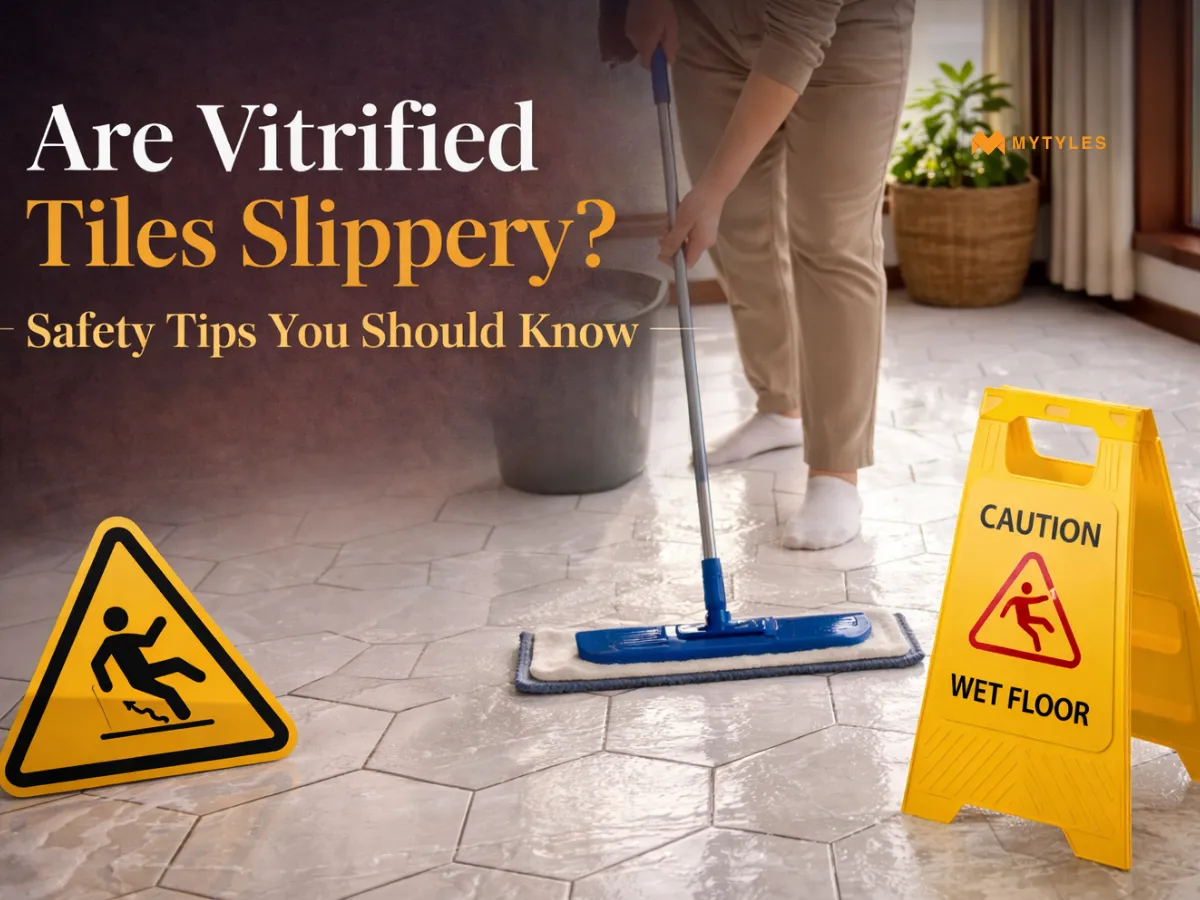
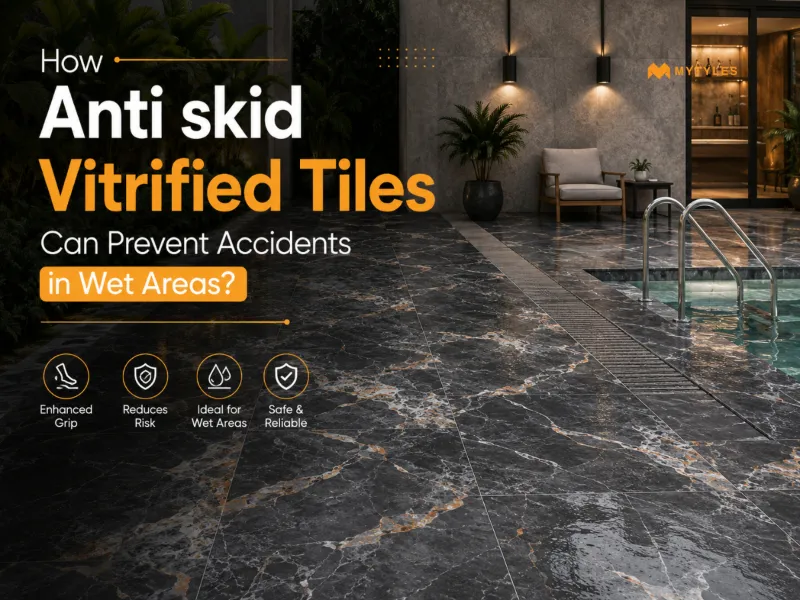
Vitrified tiles do not necessarily pose a slippery surface; the safety of such tiles is controlled by several parameters of slip-resistance, including Dynamic Coefficient of Friction (DCOF) and the Pendulum Test Value (PTV). The industry standards suggest that a minimum wet DCOF of ≥ 0.42 is required in indoor settings, with a PTV of 36, which will provide nearly a 1-in-1-million chance of slipping when controlled. Nonetheless, smooth vitrified surfaces have smaller micro-roughness, which elevates the risk of slips in wet conditions. Research indicates that surfaces with low slip ratings (R9 and below) pose a significant risk of falls particularly when moisture or contaminants are found. Therefore, the choice of finishes, the work of textures, and adherence to the slip-resistance norms play a key role in the safety of the flooring.
When people mention that tiles are slippery, they are not necessarily referring to the tiles but to the circumstance. Things like finish, water, size, and cleaning habits all change how much grip your vitrified floor tile actually has.
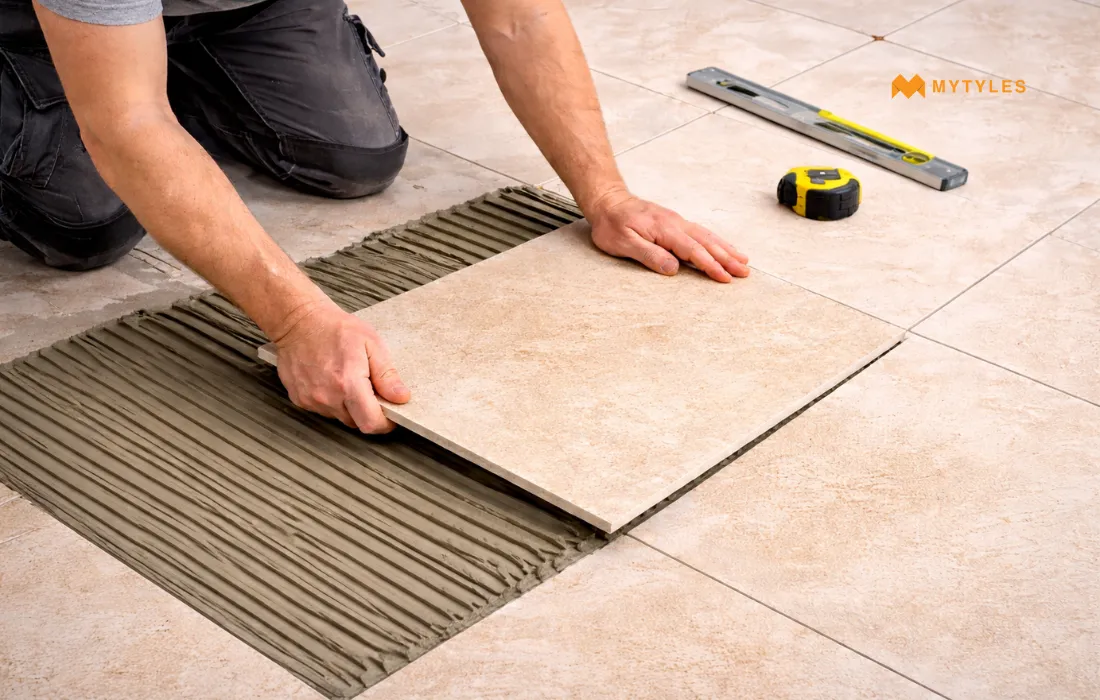
The selection of the appropriate tile is one thing, but the usage is equally important. The following are some of the easy and practical methods of making your vitrified tile floors safer.
The selection of the non-slippery vitrified tile is not only about color or finish but also about ensuring that it performs well in real-life conditions. Some technical inspections can help in preventing the most frequent errors and guarantee long-term safety and durability
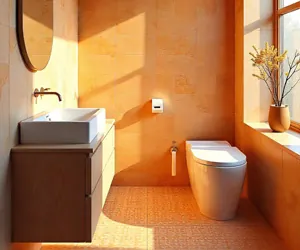
Always select vitrified tiles depending on the place of use. A tile that is good in a dry living room might not fit well in the kitchen or bathroom. Matching the tile with the environment will provide superior performance, particularly in choosing safe flooring for bathrooms or tiles for wet areas.
The DCOF value is one of the initial technical things to be checked when buying non-slippery vitrified tile. This value is an indication of the grip the tile provides during walking. The industry standards suggest 0.42 in indoor wet areas. In high-moisture areas, the values can be increased to minimise the risk of slips.
In the case of flooring, thickness is important. Tiles of 8-10 mm or more thickness will be capable of supporting daily loads and will be less prone to cracking. This plays a crucial role in preserving the structure as well as the durability of the vitrified tiles in the long run.
Vitrified tiles are characterised as water-resistant tiles whose absorption is very low, usually less than 0.5, which prevents damage with time. They are also considered to be scratchproof and therefore can be used in high-traffic places where wear and tear are prevalent.
Stick to trusted brands that provide clear technical data like slip ratings, water absorption, strength and certifications. The trustworthy manufacturers have more chances to provide real slip-resistant tiles instead of only visual finishes which seem to be safe but are not tested.
Look at certifications like ANSI or ISO standards. These show that the tile is tested in terms of safety and performance. This is particularly useful when making comparisons of such alternatives as anti-skid floor tiles between brands.
The good after-sales service assists in installation problems, replacement, or complaints. It ensures that you will not be faced with any problem once you have made a purchase. Approximately 93% of the customers tend to remain loyal to a brand that has good service and almost 73% tend to switch after having had multiple bad experiences with the same brand.
Vitrified tiles work well if you pick them right. They’re dense, strong, and have water absorption levels as low as 0.05%, which is why they handle moisture so well and last beyond 25–30 years without much trouble. The real difference comes down to where you use vitrified tile and what finish you choose. Get that right, and you won’t have to worry about slipping or constant maintenance. If you’re thinking of upgrading your space, MyTyles just makes the whole process simpler. You get plenty of non-slippery vitrified tile options, clear details, and the right guidance. You can rest assured that you’re not just guessing, but you’re choosing vitrified tile that actually fits your day-to-day use.
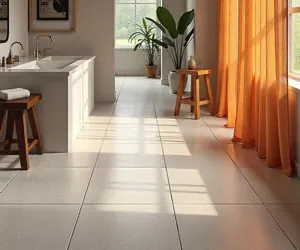
Slip resistance in vitrified tiles depends on surface finish, porosity, and coefficient of friction. Many homeowners ask, ‘are vitrified tiles anti-skid?’ but glossy finishes tend to lower traction, especially under wet conditions. Matte and textured variants enhance grip by increasing surface resistance, making them more suitable for areas where safety and stability are critical.
Non-slippery vitrified tiles are engineered with micro-textured or matte surfaces that improve traction underfoot. These tiles reduce the risk of slipping by increasing friction and dispersing moisture effectively. They are particularly suitable for bathrooms, kitchens, and commercial spaces where maintaining consistent grip and stability is essential for everyday safety.
In vitrified tiles vs anti-skid tiles, the difference lies in surface engineering and intended use. Standard vitrified tiles prioritise density and finish quality, while anti-skid tiles are specifically designed with textured surfaces to enhance friction. This makes anti-skid options more effective in moisture-prone environments requiring higher slip resistance performance.
A key concern is, are glazed vitrified tiles slippery? as their smooth, glass-like coating reduces surface friction. When exposed to water or dust, this finish can increase slip risk. While suitable for dry indoor spaces, glazed tiles may require anti-slip treatments or additional safety measures in wet or high-risk areas.
When evaluating whether GVT tiles are slippery, the answer depends on the finish type and surface structure. Glossy glazed vitrified tiles tend to offer lower traction, whereas matte or structured GVT variants provide better grip. Proper selection based on usage conditions ensures improved safety and performance across residential and commercial applications.
The question: can vitrified tiles be polished? Relates to both aesthetics and functionality. Polishing enhances shine and smoothness but reduces surface roughness, which can decrease friction and increase slip potential. For safety-critical areas, polished finishes should be used cautiously or combined with anti-slip treatments to maintain adequate traction.
Understanding glossy vs matte vitrified tiles is essential for safety planning. Glossy finishes improve light reflection but reduce grip, while matte finishes provide higher friction and better stability. Selecting the appropriate finish based on environmental conditions, combined with methods like how to make tiles less slippery, ensures improved flooring safety and long-term usability.
Biren Agrawalla
₹92.00 / Sq.Ft

₹94.00 / Sq.Ft
₹95.00 / Sq.Ft

₹95.00 / Sq.Ft
₹65.00 / Sq.Ft

₹75.00 / Sq.Ft
₹75.00 / Sq.Ft

₹75.00 / Sq.Ft
₹95.00 / Sq.Ft
₹65.00 / Sq.Ft